
Somewhere online right now, someone with a swollen toe is squeezing lemons into a jug of water. The pitch is everywhere: two lemons a day keeps the uric acid down, no pills needed. TikTok comment sections swear by it. So do a surprising number of clinic handouts.
Most “detox drink” advice falls apart the second you look for actual research. This one is stranger, because a study published in late 2025 actually looked at lemon water and uric acid, in people with gout, and found a real drop. The question is what that drop is worth, and whether it lets anyone throw their medication away.
Spoiler: it does not. But the honest version of the story is still genuinely useful.
What the lemon water study actually did
The paper appeared in the International Journal of Rheumatic Diseases in December 2025. A team pulling records from two outpatient rheumatology clinics in Poland looked at 90 people with a median age of 49.2 years, 69% of them men. Everyone had been told the same thing by clinic staff: squeeze two fresh lemons into 2 liters of water and drink it each day.
The researchers split people into three groups of 30: people with diagnosed gout (group A), people with high uric acid but no gout (group B), and a control group of people with other diagnoses (group C). They pulled uric acid levels, kidney filtration rate (GFR), and urine pH from the records and compared the numbers before the lemon water habit with the numbers six weeks in.
This is not a randomized trial, and it matters that you know that. It was a retrospective chart review. There was no placebo group, no one assigned to drink plain water instead. Regression to the mean, other diet changes, even the simple act of drinking 2 liters of water a day could all be doing some of the work. Keep that caveat in mind, because it shapes how you should read the rest.
The numbers: uric acid really did come down
After six weeks, serum urate had dropped in all three groups, but it dropped more in the groups that started high. In the gout group the mean fall was about 1.25 mg/dL. In the hyperuricemia group it was about 1.31 mg/dL. The control group fell about 0.85 mg/dL. The differences between groups were statistically significant (p = 0.03 for gout versus hyperuricemia, p = 0.003 for hyperuricemia versus control).
A 1.25 mg/dL drop is not a rounding error. For scale, the diet changes people usually argue about, cutting beer, avoiding organ meats, tend to move uric acid by roughly 1 mg/dL at most, and often less. So lemon water landing in that neighborhood is interesting.
Two other findings came along with it. Urine pH climbed in every group, by a mean of about 1.17 units in the gout group and 1.3 units in the hyperuricemia group. And among people who started with reduced kidney function, GFR improved in several, by anywhere from 1 to more than 25 mL/min in the gout group. Nobody in any group reported a gout flare during the six weeks.
Why would lemon do anything at all?
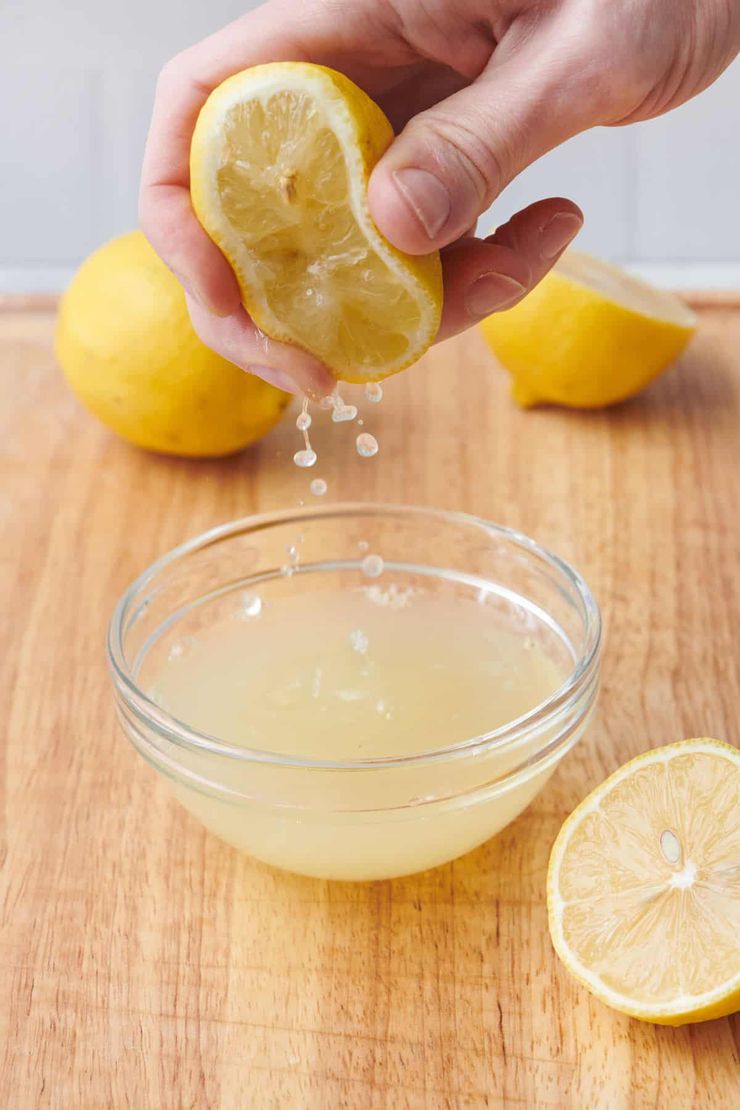
The likely answer is citrate, not acid the way the internet means it. Lemons taste like acid in your mouth, but once your body burns the citrate in them, what is left over is bicarbonate. That is the same stuff the body uses to keep blood and urine from getting too acidic. So lemon water pushes urine pH up, and the study measured exactly that.
More alkaline urine holds more uric acid in solution, which means the kidneys can flush more of it instead of leaving it behind. Uric acid also stops forming crystals as readily in a less acidic setting. This is not fringe chemistry. Doctors have prescribed potassium citrate for decades for uric acid kidney stones, for precisely this reason, with blood tests to keep the dose in a safe range. A 2008 randomized study even found fresh lemon juice raised urinary citrate much like potassium citrate did in people prone to stones.
A systematic review and meta-analysis of citrus products backed the broad pattern: across eight studies, citrus raised urinary citrate significantly versus controls, and nudged urine pH up as well. The lemon water results sit squarely inside that older evidence.
The vitamin C part of the story
Lemons also bring vitamin C, and vitamin C has its own uric acid track record. A 2011 meta-analysis of 13 randomized trials, 556 people in total, found vitamin C supplementation lowered serum uric acid by about 0.35 mg/dL overall. The median dose in those trials was 500 mg a day, far more than you get from two lemons, which is worth roughly 60 to 70 mg.
So the vitamin C in your lemon water probably helps a little, but it is not doing the heavy lifting. Most of the effect people see likely comes from citrate and, honestly, from drinking 2 liters of water every single day. A lot of people simply do not drink that much, and dehydration is one of the most reliable flare triggers there is. Sort that out, and uric acid tends to move whether lemons are involved or not.
Why this does not replace your medication
Here is where the hype wheels come off. A 1.25 mg/dL fall sounds big, so picture the person it applies to. If your uric acid starts at 9 mg/dL, a 1.25 drop lands you around 7.75, still above the 6.8 mg/dL line where crystals form, and nowhere near the under-6 target used for people with gout. The treatment goal is not a gentle nudge. It is getting uric acid low enough, for long enough, that existing crystals dissolve and flares run out of fuel.
Urate-lowering medication such as allopurinol or febuxostat is built for that job, with the dose adjusted against repeat blood tests. The American College of Rheumatology recommends a target below 6 mg/dL for most people with gout, and lower still for people with severe disease or visible urate deposits. No study has tested whether lemon water alone can hold anyone there. The pilot ran six weeks in 90 people. That is evidence to take the drink seriously as an add-on, not to swap it for pills.
And the study’s own design keeps the honest researchers cautious. Without a randomized comparison group, part of that 1.25 mg/dL could be people simply drinking more water, eating differently, or being measured a second time. The authors called lemon water a possible adjunct therapy. Adjunct means on top of, not instead of.
How to actually use lemon water
If you want to try it, the protocol from the study is simple enough: the juice of two fresh lemons in 2 liters of water, spread across the day, no added sugar. Skip the sugar, because fructose and sucrose push uric acid in the wrong direction, and a lemonade made with a cup of sugar is a different drink with a different effect. Bottled “lemon drink” from the soda aisle is mostly that.
A few cautions before you commit. The citric acid is hard on tooth enamel over time, so drink it through a straw and rinse with plain water after, do not brush your teeth immediately. If you have acid reflux or a stomach ulcer, the extra acid can light both up. People on a low-sodium plan or with advanced kidney disease should check with a doctor before leaning on any urine-alkalizing habit. And keep taking your prescribed medication on the same schedule you have been using, unless your doctor says otherwise.
Then get a blood test. Six weeks in, ask for a repeat uric acid measurement so you can see your own number, instead of trusting the average of 90 strangers in Warsaw. Where that number sits, not how the drink makes you feel, is what tells you whether it is helping.
Frequently asked questions
How fast does lemon water lower uric acid?
In the 2025 pilot, changes were measured after six weeks, and urine pH shifted along with serum urate over that window. There is no good evidence for same-day or overnight lowering, and drinking lemon water during an active flare will not shorten it. Think weeks, not minutes.
How much lemon water should I drink for gout?
The study used two fresh lemons squeezed into 2 liters of water each day, consumed throughout the day. Do not add sugar. That is a lot of liquid, so spread it out and treat it as a supplement to your usual hydration, not a reason to force water beyond what feels reasonable.
Can lemon water dissolve tophi?
Not on its own, and no study has shown that. Tophi are hard urate deposits that slowly shrink only when uric acid stays below about 6 mg/dL for a long stretch, usually with medication. Lemon water might add a small amount of help, but dissolving tophi is a job for sustained urate-lowering treatment and repeat blood tests.
Is bottled lemon juice as good as fresh?
Fresh is the safer bet. Many bottled lemon products contain added sulfites, sodium, or preservatives, and some lemon-flavored drinks are mostly water and sugar. If you use bottled, read the label and pick pure lemon juice with nothing added. The citrate content is what you are after.
Can lemon water cause problems?
Yes, for some people. The acid can erode tooth enamel over time, worsen heartburn or ulcers, and the extra fluid and alkalizing effect deserve a doctor’s input if you have kidney disease. A straw and a rinse with plain water protect your teeth. Painful swelling with fever or red streaking skin may not be gout at all, and that needs urgent medical attention rather than another jug of lemon water.
References
- Edyta BK, Brunetti L, Naomi S. “Lemon Water Reduces Serum Urate Levels in Gout Patients and Individuals With Hyperuricemia—A Pilot Study.” International Journal of Rheumatic Diseases. 2025;28(12):e70488. doi:10.1111/1756-185X.70488. PMID: 41355048.
- Aras B, Kalfazade N, Tuğcu V, Kemahli E, Ozbay B, Polat H, Taşçi AI. “Can lemon juice be an alternative to potassium citrate in the treatment of urinary calcium stones in patients with hypocitraturia? A prospective randomized study.” Urological Research. 2008;36(6):313–317. doi:10.1007/s00240-008-0152-6. PMID: 18946667.
- Rahman F, Birowo P, Widyahening IS, Rasyid N. “Effect of citrus-based products on urine profile: A systematic review and meta-analysis.” F1000Research. 2017;6:220. doi:10.12688/f1000research.10976.1. PMID: 28529700.
- Juraschek SP, Miller ER 3rd, Gelber AC. “Effect of oral vitamin C supplementation on serum uric acid: a meta-analysis of randomized controlled trials.” Arthritis Care & Research. 2011;63(9):1295–1306. doi:10.1002/acr.20519. PMID: 21671418.
- Kang DE, Sur RL, Haleblian GE, Fitzgerald JF, De Los Santos R, DeMarco R, Borawski KM, Mouracade P, Pietrow PK, Gilbert BR, Preminger GM. “Comparative value of orange juice versus lemonade in reducing stone-forming risk.” Clinical Journal of the American Society of Nephrology. 2007;2(6):1254–1259. doi:10.2215/CJN.02420607. PMID: 17699358.
- FitzGerald JD, Dalbeth N, Mikuls T, Brignardello-Petersen R, Guyatt G, Abeles AM, Gelber AC, et al. “2020 American College of Rheumatology Guideline for the Management of Gout.” Arthritis Care & Research. 2020;72(6):744–760. doi:10.1002/acr.24180. PMID: 32391934.
Reviewed by the GoutSavvy Editorial Team