Your Gout Might Be Weakening Your Bones: The 5.5x Fracture Risk Nobody Warned You About
Most people with gout worry about two things: the next flare and their kidneys. A study published in July 2026 in Clinical Rheumatology suggests they should add a third concern to that list: broken bones.
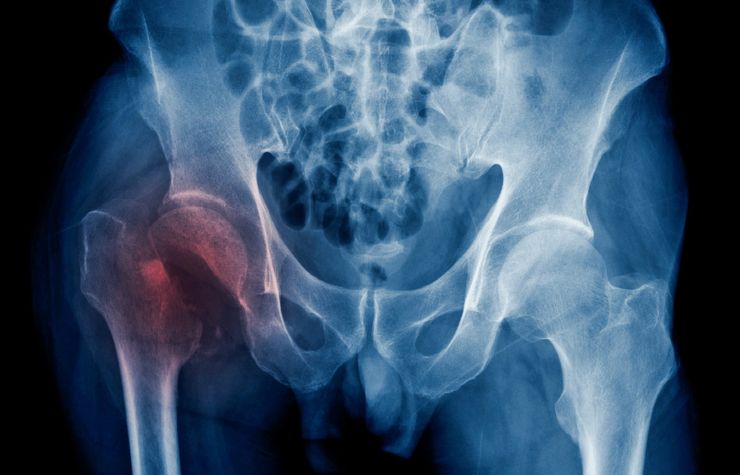
Researchers at Seoul National University College of Medicine pulled data from South Korea’s nationwide health insurance database and matched 4,107 adults newly diagnosed with gout against 12,321 people without gout. After adjusting for age, sex, and other variables, the gout group had a 5.52 times higher risk of suffering a major osteoporotic fracture (vertebral, hip, or distal radius fracture requiring hospitalization) than the control group (95% CI, 4.19-7.26).
Let that sink in. Gout doesn’t just attack your joints. It appears to compromise your skeleton in ways researchers are only starting to quantify.
Why Would Gout Make Your Bones Break?
The connection isn’t obvious. Gout is caused by urate crystals forming in joints. Fractures happen when bones lose density and become brittle. What links the two?
Several mechanisms, according to the study authors and existing research:
Chronic inflammation does direct bone damage. Urate crystals activate the NLRP3 inflammasome, which pumps out IL-1β and other inflammatory cytokines. These same cytokines stimulate osteoclasts, the cells that break down bone tissue. It’s the same pathway that drives bone erosion in rheumatoid arthritis. In gout, the inflammation may smolder between flares, not just during attacks.
Reduced mobility leads to bone loss. When your big toe feels like someone drove a nail through it, you don’t walk much. Each flare means days or weeks of reduced weight-bearing activity. Bones need mechanical stress to maintain density. A pattern of recurrent flares over years creates a cycle: pain causes inactivity, inactivity weakens bone, weaker bones fracture more easily.
Kidney impairment is common in gout. Roughly 70% of uric acid exits through the kidneys. People with gout frequently have some degree of chronic kidney disease, and CKD independently accelerates bone loss by disrupting vitamin D activation and calcium metabolism.
Glucocorticoid use adds insult. Many people with gout receive corticosteroid injections or oral prednisone for flares. Steroids are notorious for causing rapid bone density loss, especially with repeated use.
The study couldn’t determine which mechanism dominates, because the insurance database lacked lab values for serum uric acid and bone density. But the association was strong enough that the researchers called for routine fracture risk assessment in gout management.
The Part About Medication Adherence That Should Get Your Attention
Here’s where this study gets genuinely useful. The researchers didn’t just show that gout and fractures travel together. They looked at whether taking allopurinol consistently made a difference.
Using the medication possession ratio (MPR) over 24 months, they divided the gout group into three tiers:
- Low adherence (MPR under 0.3): fracture risk was 5.91 times that of controls
- Medium adherence (MPR 0.3 to 0.8): 4.88 times higher
- High adherence (MPR 0.8 or above): 4.77 times higher
The P for trend was under 0.001. In plain terms: people who took their allopurinol consistently had meaningfully lower fracture risk than those who didn’t. The pattern held for both vertebral and hip fractures.
Does this prove allopurinol protects bones directly? Not exactly. The study was observational, not a randomized trial. People who take medication consistently often have other healthy behaviors. But the dose-response relationship (better adherence, lower risk) makes a stronger case than a simple yes-or-no comparison.
The study authors put it directly: “Consistent, long-term medication adherence may be essential to reducing the possible fracture burden in people with gout.”
If you’re on urate-lowering therapy and wondering whether staying on it matters beyond preventing flares, this is your answer. It does. For more on why so many people stop their gout medication and what happens when they do, see our breakdown of the 88% target-failure problem.
What the Numbers Actually Mean for You
A hazard ratio of 5.52 sounds terrifying. It should get your attention, but context matters.
The study population had a mean age of 60.3 years, and 91.3% were men. These were older adults, a group already at elevated fracture risk regardless of gout. The absolute risk increase depends heavily on your age, sex, bone density, and fall history. A 35-year-old with gout and a 72-year-old with gout face very different baseline fracture probabilities.
That said, the signal was strong enough that clinicians should consider gout itself a risk factor for osteoporosis. Current fracture risk assessment tools like FRAX don’t include gout as a variable. This study suggests they probably should.
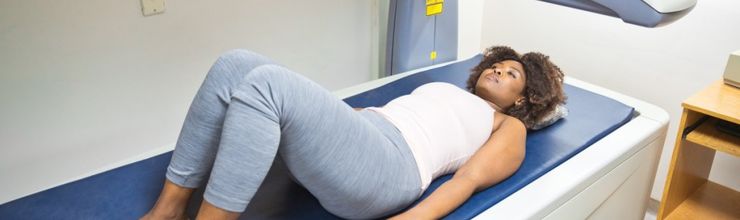
If you’re over 50 and have had gout for several years, especially if you’ve taken repeated steroid courses or have kidney issues, it may be worth asking your doctor about a DEXA scan. That’s the imaging test that measures bone mineral density. It’s quick, non-invasive, and covered by most insurance for people with risk factors.
What You Can Do Right Now
You can’t change the fact that gout increases fracture risk. But you can influence several of the pathways connecting them:
Take your urate-lowering medication consistently. This study adds to a growing pile of evidence that sustained uric acid control does more than prevent flares. It may reduce systemic inflammation, preserve mobility, and protect bone. If side effects or cost are barriers, talk to your doctor about alternatives. Don’t just stop.
Stay weight-bearing active between flares. Walking, resistance training, and impact exercise stimulate bone formation. The challenge is staying active when joints hurt. Low-impact options like swimming and cycling are good for cardiovascular health but don’t build bone as effectively. Pair them with walking or light strength training when you’re flare-free. We covered the exercise-gout relationship, including lactic acid concerns, in our piece on why workouts sometimes trigger flares.
Get adequate calcium and vitamin D. Standard osteoporosis prevention applies: 1,000-1,200 mg of calcium daily (through food when possible) and 800-1,000 IU of vitamin D. People with CKD need individualized advice because calcium metabolism gets complicated. Don’t megadose either without checking with your doctor.
Minimize steroid exposure. If you’re getting frequent corticosteroid injections or oral prednisone courses for flares, that’s a sign your urate-lowering therapy isn’t optimized. The goal is to reduce flare frequency enough that steroids become rare, not routine.
Assess fall risk. Fractures require both weak bones and a fall. Remove tripping hazards at home, check your vision, review medications that cause dizziness, and consider balance training if you’re unsteady on your feet.
The Bigger Picture: Gout Is a Whole-Body Disease
This study fits into a broader pattern. Research over the past decade has linked uncontrolled gout to cardiovascular disease, kidney failure, metabolic syndrome, and now osteoporotic fractures. The old image of gout as a rich man’s painful toe has been thoroughly dismantled.
The thread connecting these complications is chronic inflammation and metabolic dysfunction. Urate crystals don’t sit harmlessly in joints waiting for a flare. They interact with the immune system continuously, and the downstream effects reach well beyond the joint capsule.
For a deeper look at how urate crystals affect blood vessels, see our article on vascular gout. And if you’re wondering whether gout can cause bone erosion and joint damage over time, our piece on gout and bone loss covers the radiographic evidence.
The practical takeaway hasn’t changed, but the evidence behind it keeps getting stronger: treat gout seriously, take your medication, stay active, and don’t ignore the parts of your health that aren’t currently hurting.
Frequently Asked Questions
Does gout really increase fracture risk by 5 times?
This study found a hazard ratio of 5.52 for major osteoporotic fractures in people with newly diagnosed gout compared to matched controls without gout. That means the gout group had fractures at over 5 times the rate of the control group during follow-up. The absolute risk depends on your age and other factors, so the increase for any individual will vary.
Can allopurinol help prevent fractures?
The study found that people with high allopurinol adherence (MPR ≥ 0.8) had a fracture risk of 4.77 times controls, compared to 5.91 times for those with low adherence. This suggests consistent allopurinol use is associated with lower fracture risk, but the observational design can’t prove the drug directly prevents fractures. Other factors related to medication adherence may also play a role.
Should I get a bone density test if I have gout?
If you’re over 50, have had gout for several years, have taken repeated corticosteroid courses, or have kidney disease, it is worth discussing a DEXA scan with your doctor. Gout isn’t currently included in standard fracture risk calculators, but this study adds to evidence that it should be considered a risk factor.
Why does gout affect bone health?
Several mechanisms likely contribute: chronic inflammation from urate crystals stimulates bone-resorbing cells; reduced physical activity during flares decreases mechanical stress on bones; kidney impairment (common in gout) disrupts calcium and vitamin D metabolism; and corticosteroid use for flares directly causes bone loss.
Does this mean I should stop taking steroids for gout flares?
Don’t stop prescribed medication on your own. But if you’re relying on frequent steroid courses, that’s a sign your long-term urate-lowering therapy needs optimization. Talk to your rheumatologist about getting your serum uric acid consistently below 6 mg/dL so flares become rare.
What type of exercise is safest for bones when you have gout?
Weight-bearing exercise like walking and light resistance training is best for bone density. Swimming and cycling are gentle on joints but don’t stimulate bone formation as effectively. Stay active between flares, and during a flare, rest the affected joint but try to maintain movement in unaffected areas.
How was this study designed?
It was a retrospective cohort study using South Korea’s national health insurance database. Researchers identified 4,107 adults newly diagnosed with gout between 2004 and 2016 who started allopurinol within 6 months, and matched them to 12,321 controls without gout. They tracked fractures requiring at least 2 days of hospitalization through December 2019.
References
- Doo JH, et al. Association between gout and fracture risk, and the impact of allopurinol adherence: a nationwide population-based cohort study. Clinical Rheumatology. 2026. doi:10.1007/s10067-026-08298-2. Link
- Rai A. Gout Tied to Elevated Risk for Fractures; Adherence to Allopurinol Helps. Medscape Medical News. August 25, 2026. Link
- FitzGerald JD, et al. 2020 American College of Rheumatology Guideline for the Management of Gout. Arthritis Care & Research. 2020;72(6):744-760. doi:10.1002/acr.24180
- Stamp LK, et al. Starting allopurinol at a higher dose in people with gout and normal kidney function: a randomized controlled trial. Arthritis & Rheumatology. 2018;70(7):1100-1107.
- Martillo MA, et al. Proportion of people with gout achieving serum urate treatment targets: a population-based cohort study. British Journal of General Practice. 2026.
- Neogi T, et al. 2015 Gout Classification Criteria: an American College of Rheumatology/European League Against Rheumatism collaborative initiative. Arthritis & Rheumatology. 2015;67(10):2557-2568.
- Khanna PP, et al. Cost-effectiveness of urate-lowering therapy in gout. Arthritis & Rheumatology. 2019.
Reviewed by the GoutSavvy Editorial Team