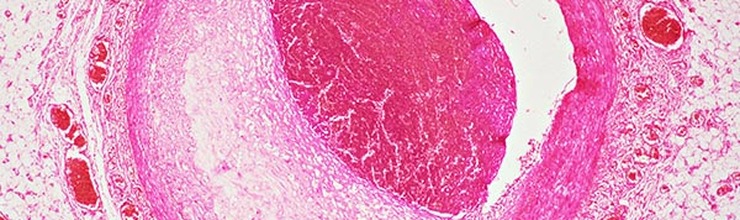
Your Gout Crystals Aren’t Just in Your Joints. They’re in Your Arteries.
Think about the last time gout hit you. That throbbing big toe, the swollen ankle, the knee that screamed at the slightest touch. You probably thought the problem was in your joint, right?
What if I told you those same needle-sharp crystals are quietly building up inside your blood vessels too?
Not in 10 years. Not in some hypothetical future. Right now, while you’re reading this.
A 2026 review published in JACC: Asia introduced a term that reframes how we think about gout: vascular gout. Using advanced imaging technology called dual-energy CT, researchers can now see monosodium urate crystals deposited inside artery walls and stuck in cholesterol plaques. The same jagged crystals that wreck your joints are sitting in the pipes that feed your heart and brain.
And nobody told you about it.
The Discovery Doctors Missed for Decades
For years, cardiologists and rheumatologists operated in separate lanes. Gout was a joint problem. Heart disease was a plumbing problem. The two rarely crossed paths in a meaningful way.
But the data kept nagging. People with gout die younger. Cardiovascular disease is the number one cause of death in this population, with a two-fold increase in mortality compared to people without gout. And that gap hasn’t budged in 20 years, according to RheumNow’s July 2026 gout awareness campaign.
The connection was there all along. We just couldn’t see it.
That changed with dual-energy computed tomography (DECT). This imaging tool uses two different X-ray energy levels to identify specific chemical compositions in tissue. It color-codes urate crystals so they pop on a scan like a highlighter on a textbook page. Doctors had been using DECT to find crystal deposits in joints for years. Then someone pointed it at blood vessels.
What they found: monosodium urate crystals embedded in arterial walls, tangled up in atherosclerotic plaques, and sitting in the very spots where heart attacks originate.
Why Lowering Uric Acid Alone Isn’t Enough
Here’s where the story gets complicated. You’d think that if uric acid crystals are causing the problem, lowering uric acid should fix it. That’s the logical play. And doctors tried exactly that.
The ALL-HEART trial tested whether allopurinol, one of the most common urate-lowering drugs, could reduce cardiovascular events in people with heart disease caused by narrowed arteries. Result? No meaningful reduction in cardiovascular death, heart attacks, or strokes.
The FREED trial tested febuxostat in people with elevated uric acid but no gout symptoms yet. It did reduce a combined measure of cardiovascular, cerebrovascular, and kidney events. But when researchers dug into the data, the benefit came mostly from kidney outcomes, not from fewer coronary events.
This is what the JACC: Asia authors call the “interventional gap”. Urate-lowering therapy helps your kidneys. It dissolves crystals in your joints. But it doesn’t consistently protect your coronary arteries.
Why? The leading theory is that once urate crystals are embedded in atherosclerotic plaque, simply lowering blood uric acid levels may not be enough to dissolve them. The crystals in your arteries may be trapped in a different environment than the ones in your joints. They’re wrapped in cholesterol, immune cells, and fibrous tissue. Blood uric acid drops, but the crystals stay put, continuing to trigger inflammation from inside the plaque itself.
The Inflammation Connection: Why Colchicine Changes the Game
If the problem is inflammation driven by crystals stuck in plaque, then maybe the answer isn’t just lowering uric acid. Maybe you need to quiet the inflammation directly.
Enter colchicine. This ancient drug, derived from the autumn crocus plant, has been used for gout flares since the 6th century. But recently, cardiologists started paying attention to it for an entirely different reason.
The COLCOT trial found that low-dose colchicine reduced major adverse cardiovascular events in people who had recently survived a heart attack. The LoDoCo2 trial showed the same benefit in people with chronic coronary artery disease. These weren’t gout trials. They were cardiology trials. But the mechanism is the same: colchicine dampens the NLRP3 inflammasome (a protein complex in your immune cells that acts as an inflammation switch), the exact pathway that urate crystals flip on.
Think of it this way. Urate crystals in your artery wall are like someone pulling a fire alarm every single day. Your immune system rushes in, inflammation builds, and the plaque gets unstable. Colchicine doesn’t remove the crystals. But it muffles the alarm. Less inflammation means more stable plaques, which means fewer heart attacks.
The JACC: Asia review points out that this evidence supports the entire vascular gout concept. If inflammation is the bridge between urate crystals and cardiovascular events, then targeting that inflammation, not just uric acid levels, may be the missing piece.
What About SGLT2 Inhibitors?
There’s another drug class worth mentioning. SGLT2 inhibitors, originally developed for type 2 diabetes, have emerged as an unexpected player in gout treatment. These drugs work by making your kidneys excrete more glucose, and as a side effect, they also increase uric acid excretion.
A study presented at RheumNow in July 2026 analyzed 26,739 people with gout and type 2 diabetes. Those taking SGLT2 inhibitors needed fewer gout medications overall: fewer allopurinol starts, fewer steroids, fewer NSAIDs (non-steroidal anti-inflammatory drugs like ibuprofen and naproxen), and even fewer colchicine prescriptions.
The JACC: Asia review notes that SGLT2 inhibitors may offer cardiovascular protection through multiple pathways, including uric acid reduction. They don’t just lower uric acid through a different mechanism than xanthine oxidase inhibitors. They also provide direct cardiovascular and kidney benefits that traditional urate-lowering drugs don’t.
For someone with gout and diabetes, this could be a two-for-one deal. But talk to your doctor before switching anything. This is about understanding options, not self-prescribing.
The Uric Acid Threshold: How Low Is Low Enough?
If you have gout, you probably know the standard target: serum uric acid below 6 mg/dL (360 micromol/L). For people with tophi or frequent flares, the goal is below 5 mg/dL (300 micromol/L).
But the vascular gout research suggests that for cardiovascular protection, timing matters as much as the number itself.
A July 2026 study in the Journal of Clinical Medicine examined 794 people with chronic kidney disease (CKD). Each 100 micromol/L increase in serum uric acid was associated with a 22% increase in cardiac event risk and a 29% increase in mortality risk. People in the highest uric acid quartile had more than three times the mortality rate of those in the lowest.
Another study published in Diabetes Therapy in July 2026 followed 1,072 people with both type 2 diabetes and CKD. Those who maintained time-averaged serum uric acid below 360 micromol/L had far better kidney survival. The risk shot up rapidly once uric acid crossed that threshold.
The takeaway? Keeping uric acid controlled early, before crystals have time to accumulate in your arteries, may matter more than aggressive lowering after the damage is done. If you want to understand where your numbers should be, check out our uric acid levels chart for a full breakdown.
What This Means for You
Let me be honest about what vascular gout does and doesn’t change about your daily management.
What stays the same:
- Keep taking your urate-lowering medication. Allopurinol and febuxostat still dissolve joint crystals, protect your kidneys, and reduce flares. Read our comparison of allopurinol vs febuxostat if you’re unsure which is right for you.
- Get your uric acid checked regularly and aim for the target your doctor sets. Below 6 mg/dL for most people, below 5 mg/dL if you have tophi or frequent attacks.
- Manage your diet. A gout-friendly eating pattern still matters for overall uric acid control.
What might change:
- If you have gout AND cardiovascular risk factors (high blood pressure, diabetes, high cholesterol, family history of heart disease), ask your doctor about anti-inflammatory strategies. Low-dose colchicine is already FDA-approved for cardiovascular risk reduction in certain patients.
- If you have gout AND type 2 diabetes, SGLT2 inhibitors might be worth discussing as part of your treatment plan.
- Don’t wait for a cardiovascular event to get serious about uric acid control. The crystal deposition in arteries happens silently over years.
If you’ve already had a gout flare, you know the pain. But the connection between gout and stroke is just as real, even if it doesn’t hurt the way a swollen toe does. The vascular gout concept gives us a new framework for understanding why.
The Bottom Line
Vascular gout isn’t a new disease. It’s a new way of seeing an old one. The same crystals that light up your joints on fire are also quietly inflaming your arteries. Lowering uric acid remains the foundation of treatment, but it may not be enough on its own to protect your heart.
The good news? We now have tools that target both the crystals and the inflammation they cause. Colchicine, SGLT2 inhibitors, and early aggressive urate control all have roles to play. The key is treating gout as what it really is: not just a joint problem, but a full-body metabolic condition that touches everything from your toes to your coronary arteries.
If you’re not sure where you stand, start with a blood test. Know your uric acid number. Know your cardiovascular risk. Then have a real conversation with your doctor about a treatment plan that covers both.
Frequently Asked Questions
Can my regular doctor check for vascular gout?
Not directly. Vascular gout is a research concept based on DECT imaging, which isn’t available in most clinics. But your doctor can assess your cardiovascular risk factors and check your uric acid levels. If you have gout plus heart disease risk factors, that conversation is worth having regardless of whether anyone can image crystals in your arteries.
Should I start taking colchicine for heart protection?
Only if your doctor prescribes it. Low-dose colchicine has been shown to reduce cardiovascular events in certain patients, but it’s not appropriate for everyone. People with liver or kidney issues may need dose adjustments or alternatives. This is a decision for you and your physician, not something to figure out from an article.
Does lowering uric acid protect my heart at all?
It does appear to help, especially for kidney outcomes. The FREED trial showed febuxostat reduced a combined measure of events that included kidney outcomes. And long-term uric acid control reduces overall inflammation in the body. But the coronary benefits have been inconsistent in clinical trials. That’s why researchers are now looking at combination approaches: urate-lowering plus anti-inflammatory therapy.
I’ve had gout for years. Is the damage already done?
Not necessarily. Studies show that achieving target uric acid levels can dissolve crystal deposits over time, even in people with long-standing gout. The sooner you get uric acid under control, the better. But even if you’ve had gout for decades, there’s value in getting serious about treatment now. Less inflammation is better than more, regardless of how long it’s been going on.
Is vascular gout more common in certain populations?
The JACC: Asia review highlights that Asian populations may be particularly vulnerable because of a higher prevalence of the urate underexcretion phenotype, driven by genetic variants in the ABCG2 transporter. But the concept applies broadly. Anyone with persistent hyperuricemia and gout is at risk for crystal deposition in vascular tissue, regardless of ethnicity.
References
- Kojima S, Nishimiya K, Hisatome I. Redefining Uric Acid and Cardiovascular Risk: Vascular Gout and Crystal-Driven Vascular Inflammation in Asymptomatic Hyperuricemia (elevated uric acid without gout symptoms). JACC: Asia. 2026. doi:10.1016/j.jacasi.2026.05.024
- Cipolletta E. When Gout Flares, So Does the Cardiovascular System. RheumNow. July 27, 2026.
- Cush JJ. The mortality gap in gout has not improved in 20 years. RheumNow Gout Campaign. July 2026.
- Tardif JC, Kouz S, Waters DD, et al. Efficacy and Safety of Low-Dose Colchicine after Myocardial Infarction (COLCOT trial). N Engl J Med. 2019;381:2497-2505.
- Nidorf SM, Fiolet ATL, Mosterd A, et al. Colchicine in Patients with Chronic Coronary Disease (LoDoCo2 trial). N Engl J Med. 2020;383:1838-1847.
- Levy J, et al. Urate-lowering therapy and kidney damage in gout. Retrospective study of 16,186 patients. Cited in Medscape Gout Treatment and Management. July 2026.
- Serum Uric Acid and Mortality Risk in Chronic Kidney Disease: A Dose-Response Analysis. J Clin Med. 2026;15(14):5479. doi:10.3390/jcm15145479
- Zhang S, et al. Association Between Time-Averaged Serum Uric Acid and Renal Outcomes in Patients with T2DM and CKD. Diabetes Therapy. 2026. doi:10.1007/s13300-026-01895-z
- SGLT2 inhibitor use in gout reduces gout medication use. Study of 26,739 people with gout and type 2 diabetes. RheumNow. July 21, 2026.
- Mackenzie IS, et al. Long-term cardiovascular outcomes in patients with gout: ALL-HEART trial. Lancet. 2020.
Reviewed by the GoutSavvy Editorial Team