You Started Exercising to Get Healthy. Your Gout Got Worse Instead.
You did everything right. Cut back on beer. Started hitting the gym. Maybe even dropped a few pounds. And then, out of nowhere, your big toe lit up like someone took a hammer to it.
What happened?
If you talked to your doctor, you probably heard something about purines and seafood. But here is what almost nobody mentions: the intensity of your workout might be the actual culprit. Not the exercise itself, but the lactic acid your muscles pump out when you push too hard.
That lactic acid does something sneaky inside your kidneys. It competes with uric acid for the same exit door. And when lactic acid wins that competition, uric acid backs up into your bloodstream. More uric acid means more crystals. More crystals mean another 3 AM trip to the emergency room.
Let me break down how this works, what the research actually says, and how you can keep exercising without waking up the gout monster.
The Hidden Competition Inside Your Kidneys
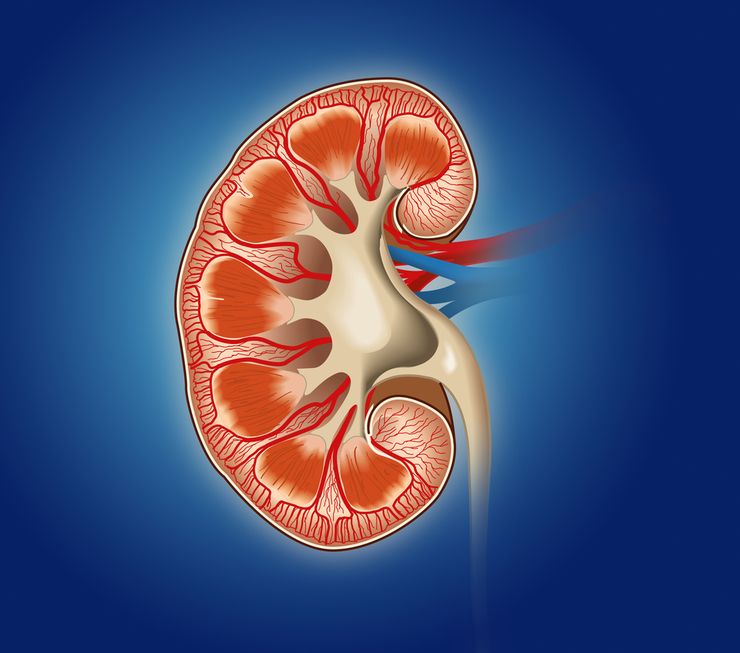
Your kidneys are basically a filtration system. Blood comes in, waste goes out through urine. Uric acid is one of those waste products that needs to leave.
Here is where it gets interesting. Your kidneys use a specific transporter protein called URAT1 (urate transporter 1) to handle uric acid. Think of URAT1 as a recycling machine. It grabs uric acid from the filtrate and pulls it back into your bloodstream. Normally, about 90% of filtered uric acid gets reabsorbed this way. The remaining 10% leaves through urine.
Now, lactic acid uses the exact same transporter. When lactic acid levels rise, URAT1 gets stimulated to work harder. But here is the catch: when URAT1 is busy processing lactic acid, it reabsorbs even more uric acid back into your blood. Your kidneys hold onto uric acid instead of flushing it out.
This mechanism was demonstrated in human kidney tissue studies back in the late 1990s. Researchers found that lactate, beta-hydroxybutyrate, and acetoacetate all stimulate uric acid reabsorption through this transporter. When these organic acids are present in high concentrations, uric acid excretion drops.
So when you do heavy squats to failure and your muscles are screaming with lactic acid, your kidneys are getting a double message: “Hold onto the uric acid, we have an acid emergency to deal with first.”
Three Ways Hard Exercise Jacks Up Your Uric Acid
Lactic acid is not the only problem. Strenuous exercise hits your uric acid levels from three different angles at once.
1. Lactic acid blocks the exit door. As I just explained, lactate competes with uric acid at URAT1. A review published in the Journal of the American College of Nutrition noted that metabolic situations with higher production of lactic acid, ketone bodies, and other organic acids are accompanied by reduced urinary uric acid excretion. The Shanghai Municipal Health Commission reported that high-intensity exercise can drop uric acid excretion efficiency by 10 to 40 percent.
2. Your muscles literally break down into uric acid. When you push hard, muscle cells rip open and spill their contents into your bloodstream. One of those contents is ATP (adenosine triphosphate), the molecule your cells use for energy. ATP contains adenine, which is a purine. When ATP breaks down, it goes through a chain reaction: AMP (adenosine monophosphate), then IMP, then hypoxanthine, then xanthine, and finally uric acid. The harder you train, the more ATP you burn, the more purine waste you produce.
3. Sweat concentrates everything. If you are sweating buckets during a hard session, you are losing water. Less water means more concentrated blood. More concentrated blood means higher uric acid concentration per milliliter. At the same time, dehydration reduces kidney filtration rate, so less uric acid gets filtered in the first place. It is a one-two punch.
Put all three together and you can see why someone who just started CrossFit or heavy lifting might wake up with a swollen toe a few days later.
What the Research Actually Shows: Aerobic Versus Resistance Training
Here is where the story gets more interesting. Exercise is not universally bad for gout. In fact, the right kind of exercise is one of the best things you can do. The key word is right.
A study published in Frontiers in Physiology found that men with mild hypertension who did 8 weeks of aerobic exercise saw their serum urate drop by 41.8 percent. That is a massive improvement. Another study showed that a 45-day aerobic exercise program reduced participants’ serum urate levels by 10.5 percent.
But flip the coin. A separate study found that 12 weeks of resistance training increased blood uric acid levels in people with type 2 diabetes. Research on professional athletes shows they have higher rates of hyperuricemia (abnormally elevated blood uric acid) than the general population. Short-term high-intensity exercise consistently raises serum urate in study after study.
The pattern is clear:
- Low to moderate aerobic exercise (walking, swimming, easy cycling): Lowers uric acid. Improves insulin sensitivity. Reduces gout flare frequency.
- High-intensity or resistance exercise (heavy lifting, sprinting, HIIT): Raises uric acid temporarily. May trigger flares in susceptible people.
Why does aerobic exercise help? Because it improves insulin sensitivity. And insulin resistance is one of the biggest drivers of hyperuricemia. When your body responds better to insulin, your kidneys excrete more uric acid naturally. We covered this connection in detail in our article on insulin resistance and the uric acid trap.
So Should You Stop Lifting Weights?
No. That would be an overreaction. Resistance training has real benefits: stronger muscles, better glucose control, higher bone density. The problem is not weightlifting itself. The problem is training at an intensity that floods your system with lactic acid.
A 2024 opinion article in the Annals of International Medical Research laid out a smart approach: combine resistance training with aerobic exercise in the same session. Do your lifting first, then follow it with 20 to 30 minutes of easy cardio. The aerobic portion helps clear the lactic acid your lifting produced, so it does not sit in your bloodstream blocking uric acid excretion.
Also, dial back the intensity. You do not need to train to failure on every set. The “no pain, no gain” mentality is exactly what gets people with gout into trouble. A weight you can lift for 12 to 15 controlled repetitions is plenty. If you are grunting, holding your breath, and seeing stars, you are in the lactate zone.
Practical Rules for Exercising With Gout
Based on the research and clinical guidelines, here is what I would recommend if you have gout and want to stay active:
Pick the right activities. Walking, swimming, cycling, and elliptical training are your best friends. They keep your heart rate in the aerobic zone without flooding your system with lactic acid. Swimming is especially good because the water supports your joints and prevents impact damage.

You can read more about exercise options in our complete gout exercise guide.
Watch your heart rate. The sweet spot is 60 to 70 percent of your maximum heart rate. A simple formula: subtract your age from 220, then multiply by 0.6 and 0.7. For a 45-year-old, that means keeping your heart rate between 105 and 122 beats per minute during exercise. If you can hold a conversation while working out, you are probably in the right zone.
Hydrate like your joints depend on it. Because they do. Drink 300ml of water 30 minutes before exercise. Sip 100 to 150ml every 15 minutes during your workout. Replenish afterward based on how much you sweated. The Shanghai Health Commission recommends maintaining a daily urine output of at least 2000ml to keep uric acid flushing through your system. For more on why hydration matters, check our article on gout and kidney function.
Do not exercise during a flare. This should be obvious, but people try to push through it. When your joint is hot, swollen, and screaming, exercise will make it worse. Rest, elevate, ice, and follow your flare treatment plan. Wait until the pain and swelling are fully resolved before returning to activity. Usually that takes 3 to 10 days. If you need help managing flares, read our guide on stopping gout attacks fast.
Be careful with supplements. Protein powder is not the enemy, but slamming three shakes a day on top of a meat-heavy diet piles on purines. Creatine, a popular supplement for building muscle, can also raise uric acid production. If you are taking urate-lowering medication like allopurinol or febuxostat, you have more cushion, but it is still smart to keep supplement intake reasonable.
Consider timing. Evening exercise may be slightly better than morning for people with gout. You have food in your system, which means your body is not breaking down muscle for fuel. And you have the rest of the evening to hydrate before bed. Gout attacks often hit at night when uric acid concentrates during sleep, so flushing your system before bedtime helps.
The Bottom Line
Exercise is one of the best tools you have for managing gout long-term. But the wrong kind of exercise, done at the wrong intensity, can backfire badly. The lactic acid your muscles produce during high-intensity training competes with uric acid for kidney excretion. Combined with ATP breakdown and dehydration, a hard workout can temporarily spike your uric acid high enough to trigger a flare.
The solution is not to stop exercising. It is to exercise smarter. Stick to low to moderate intensity aerobic activities. If you lift weights, keep the intensity manageable and follow up with some cardio to clear lactate. Hydrate aggressively. And do not train through a flare.
Your gout does not care how much you can bench press. It cares about what is happening in your kidneys. Keep that in mind, and you can stay fit without feeding the fire.
Frequently Asked Questions
Can I still do cardio with gout?
Yes, and you should. Low to moderate intensity cardio like walking, swimming, and cycling is one of the best things you can do for gout. It improves insulin sensitivity, helps with weight management, and promotes uric acid excretion. The key is keeping your heart rate below 70 percent of maximum so you stay in the aerobic zone and avoid lactic acid buildup.
Will protein powder give me gout?
Not necessarily. Moderate protein intake is fine for most people with gout. The problem comes when you combine high protein consumption with heavy resistance training and dehydration. If you use protein powder, stick to one serving per day, choose whey or plant-based options, and make sure you are drinking plenty of water. Our article on protein powder and gout goes into more detail.
How long after a gout flare can I exercise again?
Wait until all pain, swelling, and warmth in the affected joint have resolved. This usually takes 3 to 10 days. When you return, start with gentle walking for 10 to 15 minutes and gradually increase over 1 to 2 weeks. Jumping back into intense training too quickly is a common way to trigger another flare.
Does sweating help remove uric acid?
Not really. About two-thirds of uric acid is excreted through urine and one-third through the gut. Sweat plays a minimal role. In fact, heavy sweating without adequate rehydration can concentrate your blood and temporarily raise uric acid levels. Focus on staying hydrated rather than trying to “sweat out” uric acid.
Can I do HIIT (high-intensity interval training) if I take urate-lowering medication?
If your uric acid is well-controlled on medication and you have not had a flare in months, you may have more flexibility. But HIIT still produces lactic acid and still causes temporary uric acid spikes. If you want to try it, start with very short intervals, hydrate aggressively, and monitor how your joints feel over the following 48 hours. Stop immediately if you notice any twinges.
References
- Enomoto A, Kimura H, Chairoungdua A, et al. Molecular identification of a renal urate anion exchanger that regulates blood uric acid levels. Nature. 2002;417(6887):447-452.
- Bhargava R, Bhargava N. Hyperuricemia. In: StatPearls. Treasure City: StatPearls Publishing; 2023. Available at: https://www.ncbi.nlm.nih.gov/books/NBK459218/
- Yang C, et al. Exercise and hyperuricemia: an opinion article. Annals of International Medical Research. 2024;8(1):2396075.
- Yuan Y, et al. Effect of 45-day aerobic exercise on serum uric acid levels. Chinese Journal of Sports Medicine. Referenced in Yang et al. 2024.
- Shanghai Municipal Health Commission. Exercise: A remedy for lowering uric acid or a trigger for gout attacks? Published November 26, 2025. Available at: https://wsjkw.sh.gov.cn/tf/20251126/aa270121346f4437885745ceac650d46.html
- Mandal AK, Mount DB. The molecular physiology of uric acid homeostasis. Annual Review of Physiology. 2015;77:323-345.
- Hosomi A, et al. Extra-renal elimination of uric acid via intestinal efflux transporter BCRP/ABCG2. PLoS ONE. 2012;7(2):e30456.
- Choi HK, et al. Intake of purine-rich foods, protein, and dairy products and relationship to serum levels of uric acid: the Third National Health and Nutrition Examination Survey. Arthritis & Rheumatism. 2005;52(1):283-289.
- Huang J, et al. Serum urate changes after short-term high-intensity exercise in professional athletes. Referenced in Yang et al. 2024.
- So A, Thorens B. Uric acid transport and disease. Journal of Clinical Investigation. 2010;120(6):1791-1799.
Reviewed by the GoutSavvy Editorial Team