
You’re 28. You lift four times a week. Maybe you drink one or two energy drinks a day, eat a lot of chicken and beef, and consider yourself pretty healthy. Then you wake up at 3 a.m. and your big toe feels like someone drove a nail through it. You can’t put a sock on. You can’t even bear the weight of a bedsheet.
If this sounds familiar, you’re not alone, and you’re not too young for this. Gout used to be something your grandfather got after decades of rich food and port wine. That profile is changing fast, and the numbers behind the shift are staggering.
The Numbers Nobody Saw Coming
Global gout cases more than doubled between 1990 and 2020, climbing from roughly 22 million to 55.8 million, according to a 2024 systematic analysis published in The Lancet Rheumatology. The same study projects another 70 percent increase by 2050. The United States saw an even sharper spike, with cases up 76.6 percent over that period.
What makes this different from past trends is who’s getting it. A global study in Joint Bone Spine found that among people aged 15 to 39, gout prevalence and disability years rose 66 percent between 1990 and 2021, while incidence jumped 62 percent. A separate 2025 analysis in Frontiers in Public Health tracking 10-to-24-year-olds found incidence up more than 20 percent in recent decades. By 2021, 15-to-39-year-olds accounted for nearly 14 percent of all new gout cases worldwide.
In the United States, gout now affects about 5.9 percent of men and 2 percent of women, totaling over 9 million people. Men are roughly four times more likely to develop it, and that gap is actually widening in younger age groups. Dr. Brian Mandell, a rheumatologist at Cleveland Clinic, told Men’s Health that he’s seeing the shift firsthand: younger men walking in with severe, sudden joint pain that doesn’t fit the old stereotype.
Why This Is Happening Now
No single factor explains it. The surge in young-onset gout is what happens when several trends collide at once.
Metabolic syndrome is the biggest driver
If you carry extra belly fat, have high blood pressure, high triglycerides, or elevated blood sugar, you’re not just at risk for diabetes and heart disease. You’re also looking at roughly 2.4 times the gout risk of someone without metabolic syndrome, according to a nationwide cohort study tracking nearly 3.5 million men. A separate study of almost 1.3 million men aged 20 to 39 found the same pattern, and the link was actually stronger in men in their 20s than in their 30s.
Here’s the part that catches people off guard: even normal-weight men with metabolic syndrome had elevated gout risk. You can look fit and still have the metabolic profile that drives uric acid up. At ACR Convergence 2025, Dr. Natalie McCormick of Massachusetts General Hospital and Harvard Medical School presented data showing that 63 percent of US adults with gout also have metabolic syndrome. Elevated body mass index (BMI) alone accounts for 34.3 percent of gout-related disability globally, making it the single largest measurable risk factor.
The mechanism is straightforward enough. Insulin resistance, a core feature of metabolic syndrome, reduces the kidneys’ ability to excrete uric acid. The uric acid that should leave through urine stays in the blood. When levels pass 6.8 mg/dL, crystals start forming. For a deeper dive into how this cycle works, see how insulin resistance traps uric acid in your body.
The modern food environment is doing you no favors
Fructose is a direct uric acid driver. When your liver processes fructose, it burns through adenosine triphosphate (ATP), the body’s cellular energy currency, and generates uric acid as a byproduct. This isn’t about eating an apple. It’s about the concentrated fructose in soda, energy drinks, sweetened coffee, fruit juice, and the thousands of packaged foods made with high-fructose corn syrup. Young men are among the heaviest consumers of these beverages. Research published in BMJ Open found that sugar-sweetened beverage consumption was associated with a 33 percent increase in hyperuricemia risk.

Red meat and seafood, long-established gout triggers, are also relevant. A 2018 meta-analysis linked red meat consumption to a 29 percent higher gout risk. A 2022 study of 655 people with gout found that early-onset cases, diagnosed before age 40, had higher uric acid levels, were nearly three times more likely to be obese, and consumed significantly more red meat, with 44 percent eating 101 to 200 grams daily compared to 26 percent of later-onset patients. We covered the hidden risk of processed meat in detail, and the carnivore diet’s connection to gout in young adults is now showing up in Reddit threads and clinic waiting rooms alike.
Ultra-processed foods, which now make up more than half the calories consumed in many Western countries, combine high fructose, refined carbohydrates, and excess sodium in packages that promote overeating. The liver and kidneys take the hit, and uric acid climbs.
Genetics loads the gun
Not everyone who drinks soda and eats steak gets gout. The difference often comes down to genes. Variants in the ABCG2 gene, which codes for a uric acid transporter in the gut and kidneys, can significantly reduce uric acid excretion. People who carry certain ABCG2 variants can develop gout even with relatively normal diets and lower uric acid levels. This is especially relevant in early-onset cases, where the genetic component tends to be stronger. If you have a parent or sibling with gout, your baseline risk is substantially higher, and lifestyle factors that might be harmless for someone else could push you over the edge.
Sedentary lifestyles and dehydration
Sitting for long hours reduces circulation and slows metabolic clearance. Add in chronic mild dehydration from coffee, energy drinks, and insufficient water intake, and the kidneys have less fluid to flush uric acid out. Even exercise can backfire if it’s intense and dehydrating, as we explained in the piece on why workouts sometimes trigger gout flares. The key is staying hydrated and not confusing performance drinks with hydration, since many of them are loaded with fructose.
What Early-Onset Gout Looks Like in Practice
Younger people who develop gout tend to have a more aggressive disease course. Their uric acid levels are often higher at diagnosis. They’re more likely to develop tophi, the hard lumps of uric acid crystals that form under the skin and around joints, and they’re more likely to have recurrent attacks. The reason is partly that early-onset gout often reflects a stronger genetic component combined with higher uric acid production or poorer excretion, not just years of dietary accumulation.
The problem is that doctors often don’t think of gout in a 25-year-old. The stereotype persists, and symptoms get written off as a sprain, an ingrown toenail, or “something you slept wrong.” Months or years can pass before a uric acid blood test is ordered. By then, crystal deposits may have accumulated in multiple joints.
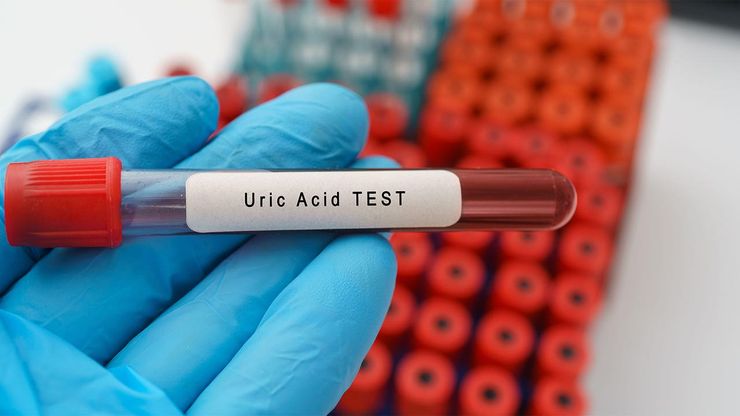
If you’re under 40 and you experience sudden, severe joint pain, especially in the big toe, ankle, or knee, ask for a serum uric acid test. A result above 6.8 mg/dL, combined with the right symptoms, is enough to start a conversation about gout. A definitive diagnosis can be confirmed by examining joint fluid under a microscope, but blood tests and clinical presentation are often sufficient to start treatment.
What You Can Actually Do About It
The good news is that gout is one of the most treatable forms of arthritis, and the earlier you intervene, the better your outcomes.
Get your uric acid checked. If you have a family history of gout, carry extra weight around the middle, drink sugary beverages regularly, or eat a lot of red meat and seafood, a baseline uric acid test is cheap and informative. You don’t need to wait for a flare.
Cut the liquid sugar. This is probably the single highest-impact dietary change you can make. Soda, energy drinks, sweetened iced tea, and fruit juice all drive uric acid production through fructose metabolism. Replace them with water, sparkling water, or unsweetened drinks. We dug into the data on sugary drinks and gout earlier, and the evidence is consistent across studies.
Eat food that comes from plants more often. You don’t have to go vegetarian. But shifting toward vegetables, whole grains, low-fat dairy, and plant-based proteins while moderating red meat and seafood is the same pattern that the Dietary Approaches to Stop Hypertension (DASH) trial showed can lower uric acid. For practical guidance, see what to eat and what to avoid with gout.
Move, but don’t overdo it. Regular moderate exercise improves insulin sensitivity and helps with weight management. Intense, dehydrating workouts without proper water intake can briefly spike uric acid. The sweet spot is consistent activity, proper hydration, and recovery. If you’re eating large amounts of protein for gym gains, pay attention to portion sizes and your uric acid numbers.
Take medication seriously if it’s prescribed. Allopurinol, the first-line urate-lowering medication, is safe and effective for most people, including young adults. The goal is to keep serum uric acid below 6 mg/dL, or below 5 mg/dL if you have tophi. This is a long-term commitment. Stopping medication because you feel fine is one of the most common reasons flares return. We covered the data on whether you can ever stop gout medication, and the short answer is: for most people, not without close medical supervision.
Check your kidney function. Gout and kidney disease are a two-way street. Poor kidney function causes uric acid buildup, and uric acid crystals can damage the kidneys over time. If you’re diagnosed with gout at a young age, your doctor should check your kidney function, not just your uric acid.
The Information Problem
Compounding all this is a flood of bad advice online. TikTok has over 170,000 posts tagged #gout, and New Zealand researchers found that gout-related videos on the platform had accumulated over 426 million views. Only 24 percent of the people posting about gout in those videos were health professionals. The rest were pushing cherry juice as a magic fix, recommending unproven herbal remedies, or telling people to stop eating all protein. Some of the advice is harmless. Some of it is dangerous, because it delays effective treatment.
Cherry juice might slightly lower uric acid in some people, but as Dr. Mandell pointed out to Men’s Health, the effect is not sufficient for most people with established gout. It is not a replacement for medication. If you’re relying on supplements and diet alone while your uric acid stays above 7 mg/dL, crystals are still depositing in your joints, even if you’re not currently in pain.
The Bottom Line
Gout is no longer a disease of old men with port glasses. It’s showing up in 20-somethings who eat the standard American diet, drink energy drinks, carry a few extra pounds around the middle, and have a genetic predisposition they didn’t know about. The rise is real, it’s documented across 204 countries, and it’s projected to continue.
But here’s what should give you some hope: gout is also one of the few chronic conditions where you can measure the problem precisely (serum uric acid), treat it effectively (medication plus lifestyle changes), and prevent almost all of the long-term damage if you catch it early. The first step is letting go of the idea that you’re too young for this. You’re not. Get tested, know your number, and take it seriously before the next 3 a.m. wake-up call.
Frequently Asked Questions
Can you get gout in your 20s?
Yes. Gout cases in people aged 15 to 39 rose 62 percent in incidence between 1990 and 2021, according to a global study in Joint Bone Spine. Early-onset gout, defined as diagnosis before age 40, is increasingly common, especially in men. Higher uric acid levels, metabolic syndrome, and genetic factors like ABCG2 variants can trigger gout at a young age.
Why are younger people getting gout?
The main drivers are rising rates of obesity and metabolic syndrome, increased consumption of fructose-sweetened beverages and ultra-processed foods, sedentary lifestyles, and genetic predisposition. Metabolic syndrome raises gout risk by about 2.4-fold, and 63 percent of US adults with gout have it. Elevated BMI alone accounts for 34.3 percent of gout-related disability globally.
What foods trigger gout in young men?
The biggest dietary triggers are sugar-sweetened beverages (soda, energy drinks, sweetened tea, fruit juice) due to fructose, red meat (especially organ meats and processed meats), shellfish and anchovies, and alcohol, particularly beer. Fructose directly stimulates uric acid production in the liver, while alcohol reduces uric acid excretion by the kidneys.
Is gout in young people more serious?
Early-onset gout often presents with higher uric acid levels, a stronger genetic component, and a greater tendency toward recurrent attacks and tophi formation. Younger patients are also more likely to have years of undetected crystal buildup before diagnosis, which is why getting tested early is important.
Should I get a uric acid test even if I haven’t had a flare?
If you have risk factors such as a family history of gout, metabolic syndrome, obesity, regular sugary drink consumption, or a diet high in red meat and seafood, a baseline serum uric acid test is worth discussing with your doctor. Levels consistently above 6.8 mg/dL can lead to crystal deposition even without symptoms.
Can lifestyle changes alone treat gout in young people?
Diet and exercise can lower uric acid by roughly 1 to 2 mg/dL, which helps some people with mild elevations. But for those with recurrent flares, tophi, or uric acid above 7 mg/dL despite lifestyle changes, medication such as allopurinol is typically necessary to reach the target of below 6 mg/dL. Gout is a chronic condition, and long-term management is usually required.
References
- Xia Y, et al. “Global, regional, and national burden of gout, 1990–2021, and projections to 2050: a systematic analysis for the Global Burden of Disease Study 2021.” The Lancet Rheumatology. 2024.
- Dehlin M, et al. “Global epidemiology of gout in young adults aged 15–39: estimates from the Global Burden of Disease Study.” Joint Bone Spine. 2024.
- “Global incidence of gout in adolescents aged 10–24: a systematic analysis.” Frontiers in Public Health. 2025.
- Choi HK, et al. “Metabolic syndrome and risk of gout in men: a nationwide population-based cohort study.” Arthritis and Rheumatology. 2022;1.3 million men aged 20–39.
- McCormick N, et al. Data presented at ACR Convergence 2025. Massachusetts General Hospital / Harvard Medical School.
- Choi HK, Curhan G. “Soft drinks, fructose consumption, and the risk of gout in men: prospective cohort study.” BMJ. 2008;336(7639):309–312.
- Ayoub-Charette S, et al. “Important food sources of fructose-containing sugars and incident gout: a systematic review and meta-analysis of prospective cohort studies.” BMJ Open. 2019;9(5):e024171.
- Major TJ, et al. “ABCG2 gene variants and gout risk: a systematic review and meta-analysis.” Arthritis and Rheumatism. 2018.
- Ofanoa S, et al. “Gout on TikTok: a content analysis of health information quality.” University of Auckland. Rheumatology International. 2025.
- Khanna D, et al. “2020 American College of Rheumatology Guideline for the Management of Gout.” Arthritis Care and Research. 2020;72(6):744–760.
- Juraschek SP, et al. “Effects of the DASH diet on serum uric acid: a randomized controlled trial.” Arthritis and Rheumatology. 2016;68(7):1655–1662.
Reviewed by the GoutSavvy Editorial Team