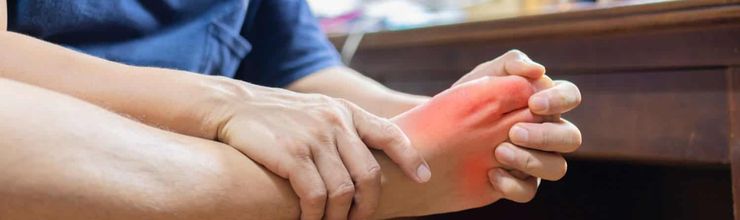
It is 2:17 in the morning and your big toe just woke you up. Not a dull ache, the kind of pain that makes the bedsheet feel like a weapon. You swing your leg out of bed and even the air moving across the joint hurts. If you have been here before, you already know what this is. The real question is what you do in the next few hours, because with a gout flare, the clock matters almost as much as the medicine.
Treatment started within the first 12 to 24 hours shortens attacks and takes the edge off the pain fast. Wait two days, and you may have bought yourself a week of limping. This is your hour-by-hour playbook, straight from the guidelines rheumatologists actually use.
Why the First 12 Hours Matter So Much
Here is what is happening inside that joint. Sharp uric acid crystals have shed into the joint space, and your immune system has noticed. White blood cells flood in, swallow the crystals, and release a storm of inflammatory chemicals. The joint swells, turns red, and heats up. That response builds fast, usually peaking within 6 to 12 hours, which is exactly why the window for treatment is so short.
Every major guideline says the same thing: treat early. The American College of Rheumatology recommends starting anti-inflammatory medication as soon as a flare begins. The European League Against Rheumatism puts the effective window for colchicine at the first 12 to 36 hours. Miss that window and the drugs still work, just not as well.
You can often feel the flare building before it explodes. A little tingle, a faint ache, a joint that feels “off.” If you know your own early warning signs, treating at that stage beats waiting for the full attack. We covered those quiet signals in our piece on what your body tells you before an attack.
Hour 0 to 1: Take the Right Pill, Not Just Any Pill
You have three first-line options, and they work about equally well when started early. The right one for you depends on your kidneys, your stomach, your heart, and what else is in your medicine cabinet.
Nonsteroidal anti-inflammatory drugs (NSAIDs) are the go-to for most people under 65 with healthy kidneys. Naproxen (brand name Aleve over the counter) is a common choice, typically 500 mg twice a day with food. Indomethacin is the prescription option doctors have used for decades. Take it with food, and do not mix two NSAIDs together. Skip these if you have kidney disease, a bleeding ulcer, heart failure, or take a blood thinner like warfarin or apixaban. We compared the options in detail in our breakdown of which NSAIDs actually work for gout.
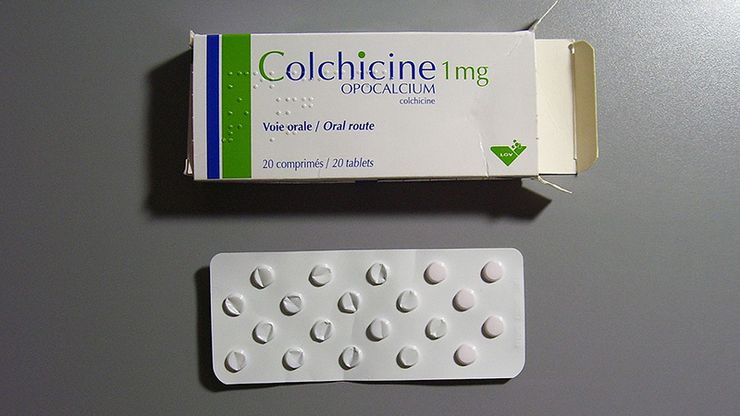
Colchicine (brand name Colcrys) works best within 12 hours of the flare starting. The old approach was a high dose that left people glued to the bathroom. A large trial called AGREE changed that: a low dose, 1.2 mg to start followed by 0.6 mg an hour later, worked just as well with far less stomach trouble. After the first day, 0.6 mg once or twice daily until the flare settles is standard. Two things to know. Colchicine loses much of its punch after 36 hours, and it can be dangerous with certain antibiotics (clarithromycin is the classic one) or in severe kidney disease, because the drug builds up and can cause serious toxicity.
Corticosteroids like prednisone are the workhorse when NSAIDs and colchicine are off the table, which is common in older adults or people with kidney problems. A typical course is 30 to 40 mg daily for 3 to 5 days. They work fast. Blood sugar can spike, sleep can suffer, and you may feel a little wired, but a short course is usually well tolerated.
And the pill you should not grab? Aspirin. Low-dose aspirin mildly raises uric acid and it is not a good choice for flare pain. One important exception: if you take daily aspirin for your heart, do not stop it on your own. Call the doctor who prescribed it. Switching around blood-thinning medication without that conversation is how people end up in worse trouble.
Hours 1 to 12: Ice, Elevate, and Leave the Joint Alone
While the medication gets to work, do the things that cost nothing and help a lot.
Cold, not heat. This is where people go wrong. Gout is an inflammatory fire, and heat feeds a fire. A heating pad, a hot bath, or a soak in Epsom salts can crank up the swelling. Ice does the opposite: it narrows blood vessels and dulls nerve pain. Wrap a gel pack or a bag of frozen peas in a thin towel and hold it to the joint for 15 to 20 minutes at a time, with 20 to 40 minutes off. Repeat through the first day or two. Britain’s NICE guideline specifically tells people with gout to add ice packs on top of their prescribed medicine.
Elevate. Prop the foot or ankle up on pillows so it sits above heart level. Fluid drains downhill, and swelling that drains hurts less. It sounds too simple to matter. It matters.
Rest the joint and protect it. This is not the morning to walk it off. Stay off the foot, use a cane or crutch if you have one, and slip on an open-toed sandal instead of lacing up a shoe. At night, a box or a pile of pillows arranged into a tent keeps the sheet from pressing down. People with gout describe that sheet pressure as one of the worst parts, and it is nearly free to fix.
Skip the massage. Rubbing an inflamed joint does not loosen anything helpful, and it can push inflammation around the surrounding tissue.
What to Drink, What to Avoid, and the Cherry Question
Drink water. Aim for roughly 2 to 3 liters over the day, spaced out, not chugged in one sitting. Your kidneys flush uric acid out through urine, and dehydration concentrates everything in the wrong direction. The full logic is in our look at why dehydration makes your joints pay the price. Avoid alcohol completely during a flare, beer and liquor especially, and skip the sugary sodas and sweet juices. Fructose pushes uric acid up fast.
What about tart cherry juice? Some people swear by it, and a small study found it was linked to roughly a third fewer attacks when drunk regularly over months. It is not a painkiller. It will not stop the flare that is already burning tonight. We sorted the evidence from the marketing in our head-to-head on cherry juice versus gout medication, and the short version is this: it is a reasonable habit between attacks, not a treatment during one.
The Mistake That Makes the Next Attack Worse
If you already take a urate-lowering drug like allopurinol or febuxostat, keep taking it through the flare. Do not stop. A lot of people assume the pill is causing the attack or that they should pause it while the joint hurts. Stopping and restarting makes uric acid swing up and down, and swings are exactly what shake crystals loose and prolong attacks.
If you do not take a urate-lowering drug yet, do not start one on your own in the middle of a flare. Changing uric acid fast can mobilize crystals and make this attack longer. Starting long-term treatment is a decision to make with your doctor after the flare settles, usually with anti-inflammatory coverage for the first few months.
This is worth sitting with, because it is the difference between one bad week and a decade of them. Flare treatment and long-term treatment are two different jobs. The pills you take tonight put out the fire. Keeping uric acid below 6 mg/dL, below 5 if you have tophi, is what stops fires from starting. Most people only ever do the first job. If your medication is not getting you to target, our piece on why gout medication fails for so many people walks through what usually goes wrong.
When This Is Not a Normal Attack
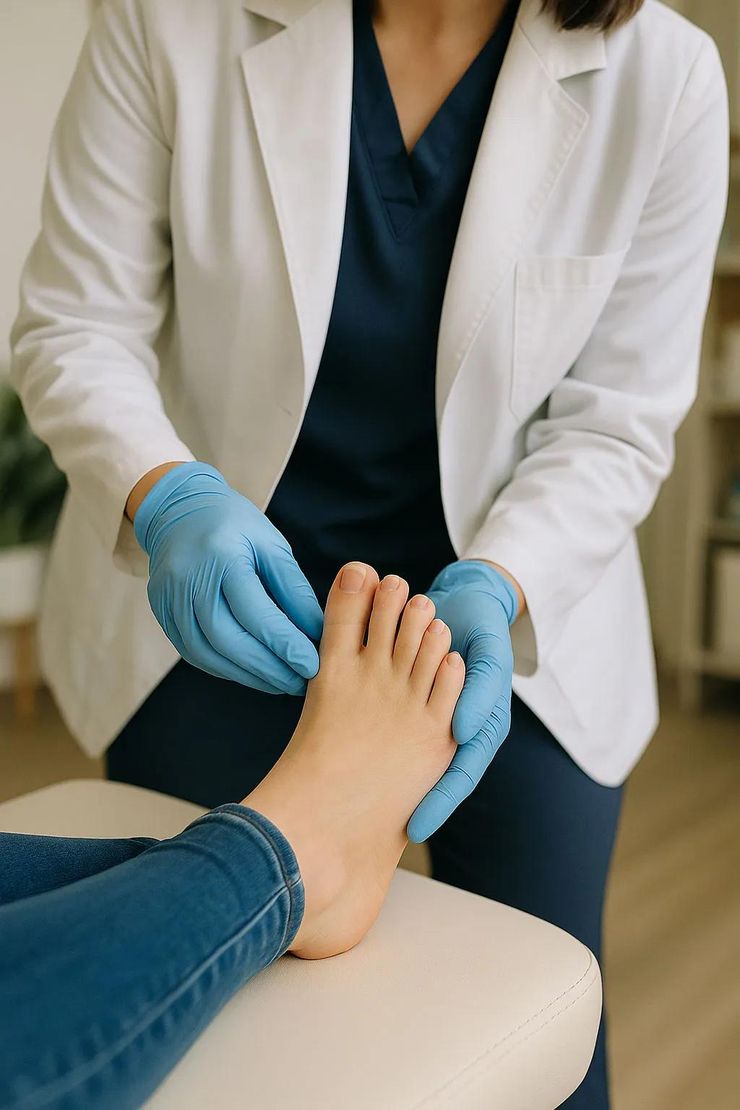
Gout is famously painful, but it is rarely dangerous by itself. The thing that can look just like it is. Septic arthritis is a bacterial infection inside the joint, and it produces the same red, hot, swollen joint. It can destroy cartilage in days and occasionally turns into a bloodstream infection.
Get urgent medical care the same day if you have a fever or chills with the swollen joint, feel genuinely sick or woozy rather than just sore, see red streaks spreading from the joint, have pain in several joints at once, or have a compromised immune system from steroids, chemotherapy, or diabetes. A first-ever attack is also worth prompt evaluation, for two reasons: you want the diagnosis confirmed rather than guessed, and the doctor may draw joint fluid to check for both crystals and bacteria. We laid out the full list of warning signs in our article on when gout warrants a trip to the emergency room.
One more mimic. If the pain is in your knee or wrist instead of your big toe and you are over 60, calcium pyrophosphate crystals, known as pseudogout, become more likely. The home care is similar but the long-term plan differs, which is why a confirmed diagnosis matters. The full breakdown is in our comparison of pseudogout versus gout.
If the meds you have are not touching the pain after 48 hours, that is another reason to call. You may need a different option, a joint injection, or something stronger than what is in your cabinet.
After the Pain Stops: The Step Everyone Skips
A gout attack is self-limited. Even untreated, the pain usually fades within a week or two, and most people exhale and move on. That is the trap. The crystals are still in the joint, and the next flare is usually closer than the last one. Untreated gout tends to hit more often, in more joints, and eventually leaves visible lumps called tophi and permanent joint damage.
So once the flare settles, book a follow-up for two to four weeks later. At that visit, get your uric acid measured, ask whether you need a urate-lowering drug, and set a target number. People with one attack can reasonably discuss prevention; people with two or more attacks a year, tophi, kidney stones, or chronic kidney disease should generally be on treatment. Getting a supply of flare medication to keep at home, so you can dose within the hour next time, is a smart move worth asking about. Doctors sometimes call this a “pill in pocket” plan, and we explained how it works in our article on keeping flare pills at the ready.
The Bottom Line
Tonight, the order is simple: get the right anti-inflammatory into your system within 12 hours, ice and elevate the joint, drink water, avoid alcohol and sugar, and keep taking any urate-lowering medication you are already on. Watch for fever, spreading redness, or multi-joint pain, because those mean a same-day visit, not home care. And when the smoke clears, make the appointment that actually matters, the one about keeping your uric acid low enough that 2:17 a.m. stops happening.
Frequently Asked Questions
Q: How fast should gout treatment start working?
A: Most people notice real improvement within 24 to 48 hours if medication is started within the first 12 hours. Colchicine works best when taken early and loses much of its effect after 36 hours. If pain is not easing after two days of correct dosing, contact your doctor.
Q: Can I take ibuprofen or naproxen for gout?
A: Yes. NSAIDs like naproxen are first-line for a flare in people with healthy kidneys, no stomach ulcers, no heart failure, and no blood thinners. Take with food, pick one and stick with it, and do not combine two NSAIDs. Avoid aspirin for flare pain.
Q: Should I stop allopurinol during a gout attack?
A: No. If you already take allopurinol or febuxostat, keep taking your usual dose through the flare. Stopping and restarting causes uric acid swings that can make the attack last longer. Do not start a urate-lowering drug on your own during a flare; discuss that with your doctor afterward.
Q: Is it better to use ice or heat on a gout flare?
A: Ice. Cold packs wrapped in a thin towel for 15 to 20 minutes at a time reduce swelling and pain. Heat increases blood flow and can make inflammation worse, so skip heating pads, hot baths, and soaks during the acute phase.
Q: How do I tell gout apart from an infected joint?
A: Fever, chills, feeling systemically ill, red streaks, or pain in several joints at once point toward septic arthritis, which is a medical emergency. A first attack or an unusually severe one warrants prompt evaluation so joint fluid can be tested for both crystals and bacteria.
Q: Does drinking cherry juice stop a gout attack?
A: Not quickly. Tart cherry juice may modestly reduce how often attacks happen when consumed regularly, but it is not a pain reliever for the flare you have right now. Rely on anti-inflammatory medication, ice, and hydration for the acute attack.
References
- FitzGerald JD, et al. “2020 American College of Rheumatology Guideline for the Management of Gout.” Arthritis & Rheumatology, vol. 72, no. 6, 2020, pp. 879-895.
- Richette P, et al. “2016 updated EULAR evidence-based recommendations for the management of gout.” Annals of the Rheumatic Diseases, vol. 76, no. 1, 2017, pp. 29-42.
- Terkeltaub R, et al. “High versus low dosing of oral colchicine for early acute gout flare: twenty-four-hour outcome of the first multicenter, randomized, open-label, noninferiority trial.” Arthritis & Rheumatism, vol. 62, no. 4, 2010, pp. 1060-1068.
- National Institute for Health and Care Excellence (NICE). “Gout: diagnosis and management.” NICE Guideline NG218, 2022.
- StatPearls. “Gout.” StatPearls Publishing, National Library of Medicine, updated 2026. NBK546606.
- Neogi T, et al. “2015 Gout Classification Criteria: an American College of Rheumatology/European League Against Rheumatism collaborative initiative.” Arthritis & Rheumatology, vol. 67, no. 10, 2015, pp. 2551-2561.
Reviewed by the GoutSavvy Editorial Team