Your Daily Aspirin Might Be Secretly Wrecking Your Gout
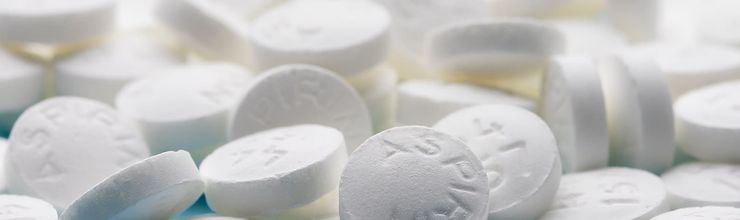
You had a heart attack scare. Your doctor put you on 81 mg of aspirin every morning. Smart move for your heart, right? No question. But here is what nobody mentioned: that tiny white pill might be the reason your gout keeps coming back.
It sounds crazy. Aspirin is one of the oldest drugs in medicine. How could something that prevents heart attacks also trigger gout flares? The answer lies in a bizarre paradox that most doctors do not think to mention, and a lot of people with gout are paying for it with their joints.
The Aspirin Paradox: More Is Actually Better for Gout
Here is the weird part. Aspirin has a dose-dependent effect on uric acid, and it works in completely opposite directions depending on how much you take.
At high doses, above 3 grams per day, aspirin actually helps your body get rid of uric acid. It blocks the URAT1 transporter (a protein in your kidneys that reabsorbs uric acid back into your bloodstream), which is the same mechanism that drugs like urate-lowering medications target. More uric acid leaves through your urine. Blood levels drop.
But at low doses, the kind most people take for heart protection, aspirin does the exact opposite. Doses under 325 mg per day actually block your kidneys from excreting uric acid. Instead of flushing it out, your body holds onto it. Blood uric acid creeps up. And if you already have gout, that creeping number can be the difference between a good month and a flare that puts you in bed for three days.
Think of it like a toll booth on a highway. High-dose aspirin opens all the lanes and lets traffic flow. Low-dose aspirin closes two out of three lanes and creates a traffic jam. Same drug, same toll booth, completely different result.
What the Research Actually Shows
A large case-crossover study (a research design that compares what someone was exposed to right before a flare versus during symptom-free periods) published in Arthritis & Rheumatism tracked hundreds of gout sufferers and found that low-dose aspirin use was associated with roughly double the risk of recurrent gout attacks. The commonly used cardiovascular dose of 81 mg per day carried about the same risk as higher low doses up to 325 mg. In other words, even the smallest baby aspirin was enough to move the needle.
The association held up even after researchers adjusted for other factors like purine intake, alcohol use, diuretics, and allopurinol. This was not a fluke or a statistical accident. Low-dose aspirin independently increased gout attack risk.
A 2026 case report in Cureus drove the point home. A patient had persistent gout symptoms despite normal-looking serum uric acid levels. The culprit? Daily low-dose aspirin for cardiovascular prevention. The patient had been doing everything right, watching his diet, taking his gout medication, staying hydrated. But that one little pill every morning was quietly undermining all of it.
The National Center for Biotechnology Information updated its guidance in 2026 to state plainly: aspirin should be avoided in people with gout because even low doses reduce renal uric acid excretion and can precipitate or worsen gout flares. Not “might.” Not “could.” Should be avoided.
How Exactly Does Low-Dose Aspirin Trap Uric Acid?
If you want the technical version, here it is. Your kidneys handle uric acid through a system of transporters. Two key players are organic anion transporters 1 and 3 (OAT1 and OAT3), proteins that sit on the blood side of the kidney tubule and pull uric acid out of your bloodstream so it can be dumped into urine.
Low-dose salicylates, which is what aspirin becomes in your body, act as an exchange substrate at these transporters. Instead of helping move uric acid out, they compete for the same slots and end up promoting uric acid reabsorption through URAT1. It is like someone jumping into the exit lane of a parking garage and causing everyone to reverse back inside.
This is also why low-dose aspirin can interfere with uricosuric drugs like probenecid (a medication that helps your kidneys flush out uric acid). If you are taking a uricosuric to flush uric acid, low-dose aspirin can block it from doing its job. The two are essentially fighting each other in your kidney tubules.
But Wait, Do I Really Need to Stop My Aspirin?
Not so fast. This is where it gets complicated, and this is exactly why you need to talk to your doctor before making any changes.
If you have had a heart attack, a stroke, or a stent placed, that daily aspirin might be saving your life. The cardiovascular benefit can far outweigh the gout risk. Stopping aspirin without medical guidance can lead to a clot, a stroke, or worse. Nobody wants to trade a gout flare for a heart attack.
The question is not simply “stop or continue.” Sometimes the real question is: is there a better option for your specific situation?
For example, some cardiologists can switch people to clopidogrel, another blood-thinning medication that does not interfere with uric acid the way aspirin does. Others may adjust your gout treatment to compensate. If your aspirin is pushing your uric acid up, your doctor might increase your allopurinol or febuxostat dose to bring it back down. It becomes a balancing act, and the only person qualified to run that math is your physician.
What you should not do is ignore the connection. If you have gout and you are on daily aspirin, mention it to your rheumatologist and your cardiologist. Make sure both doctors know about each other and the medications they are prescribing. A lot of people assume their doctors are communicating. They usually are not.
The Hidden Overlap Nobody Talks About
Here is something that makes this problem bigger than most people realize. Cardiovascular disease and gout overlap heavily. Having gout already increases your risk of heart disease, and many of the medications used to treat heart conditions can make gout worse.
Diuretics, particularly thiazides, are notorious for raising uric acid. They are one of the most common blood pressure medications in the world. Low-dose aspirin is one of the most common cardiovascular medications in the world. Put them together in someone who already has gout, and you have a recipe for frequent, stubborn flares.
It gets worse. Many people with gout also have kidney disease, which further impairs uric acid excretion. Now you have three factors compounding each other: kidneys that already struggle to clear uric acid, a diuretic that blocks excretion, and a baby aspirin that makes it even harder. No wonder some people feel like their gout is untouchable no matter what they do.
What Should You Actually Do?
First, do not panic and throw your aspirin in the trash. Here is a practical approach:

1. Get your uric acid checked. If you are on daily aspirin and you have gout, you need to know your current serum uric acid level. The target is below 6 mg/dL. If you are above that, your gout treatment needs adjustment regardless of the aspirin.
2. Talk to both your cardiologist and rheumatologist. Bring up the aspirin question directly. Ask whether the cardiovascular benefit justifies the gout risk in your specific case. Ask about alternatives like clopidogrel. Ask whether your urate-lowering therapy needs to be intensified to compensate.
3. If you need to stay on aspirin, be more aggressive with everything else. That means tighter dietary control, better hydration, and potentially higher doses of urate-lowering medication. Silent gout damage happens between flares, so just because you are not in pain does not mean your joints are safe if your uric acid is running high.
4. Avoid combining aspirin with uricosuric drugs if possible. If your gout treatment includes a uricosuric agent, low-dose aspirin can blunt its effect. Talk to your doctor about whether an xanthine oxidase inhibitor (a drug that blocks uric acid production at the source) like allopurinol or febuxostat might be a better fit, since those work by reducing uric acid production rather than increasing excretion.
5. Do not stop aspirin cold turkey without medical approval. This cannot be stressed enough. The risk of blood clots after stopping aspirin abruptly is real, especially if you have had a stent or a recent cardiac event. A rebound clot can kill you. Taper or transition under medical supervision.
The Bigger Picture
The aspirin story is part of a larger pattern. Gout is one of those conditions where everything connects to everything else. Your blood pressure pills can raise uric acid. Your heart medication can block uric acid excretion. Your kidney function determines how well you clear uric acid. Your diet, your weight, your alcohol intake, your sleep, your stress, all of it feeds into the same system.
This is why gout can feel so frustrating. You fix one thing and another pops up. But understanding these connections gives you power. Once you know that your daily aspirin might be part of the problem, you can have an informed conversation with your doctor instead of just wondering why your gout keeps flaring despite doing everything right.
Knowledge is not the same as a cure, but it is the first step toward one. And when it comes to gout, that first step might be as simple as asking: “Hey doc, could my aspirin be part of this?”
Frequently Asked Questions
Can I take aspirin during a gout attack for pain relief?
No. Aspirin, even at pain-relief doses, is not recommended for gout flares. It can interfere with uric acid excretion and may actually prolong or worsen the attack. For acute gout pain, non-steroidal anti-inflammatory drugs (NSAIDs) like naproxen or indomethacin, colchicine, or corticosteroids are the standard options. Talk to your doctor about which is safest for you.
Is enteric-coated aspirin safer for gout than regular aspirin?
No. The coating changes how the pill dissolves in your stomach, but it does not change how aspirin affects uric acid transport in your kidneys. Enteric-coated low-dose aspirin carries the same gout risk as regular low-dose aspirin.
Will stopping my daily aspirin cure my gout?
Not necessarily. Stopping aspirin may help lower your uric acid if aspirin was contributing to the problem, but gout is a complex condition with many contributing factors. You may still need urate-lowering therapy, dietary changes, and weight management. Also, do not stop aspirin without your cardiologist’s approval.
What is a safe alternative to aspirin for heart protection if I have gout?
Clopidogrel is the most commonly discussed alternative. It provides antiplatelet protection without interfering with uric acid transport. However, the right choice depends on your specific cardiovascular history, and only your doctor can determine if a switch is appropriate for you.
Does high-dose aspirin help with gout?
Technically yes. At doses above 3 grams per day, aspirin promotes uric acid excretion. But nobody takes aspirin at those doses anymore because of the serious risks of stomach bleeding and toxicity. Modern gout treatment has far safer and more effective options.
References
- Zhang Y, Neogi T, Chen C, et al. Low-dose aspirin use and recurrent gout attacks. Annals of the Rheumatic Diseases. 2014;73(2):385-390. (PubMed Central)
- Chauhan K, et al. Identifying Aspirin as a Contributing Factor to Persistent Gout: A Case Report. Cureus. 2026;17(1):e85940. (PubMed Central)
- Khanra D, Soni S, Ola R, Duggal B. Salicylic Acid (Aspirin). In: StatPearls. National Center for Biotechnology Information; updated 2026. (NCBI Bookshelf)
- Ohtsu T, et al. Low-dose salicylate and uric acid reabsorption via URAT1. Journal of Pharmacology and Experimental Therapeutics. 2016.
- Choi HK, et al. Aspirin, alcohol, and uric acid levels. Arthritis & Rheumatism. 2005;52(5):1473-1479.
- Caspi D, Lubart E, Graff E, et al. The effect of mini-dose aspirin on renal function and uric acid handling in old, healthy patients. Journal of Rheumatology. 2000;27(7):1651-1654.
- Liu R, Han C, Wu D, et al. Prevalence of Hyperuricemia and Gout in Mainland China from 2000 to 2014: A Systematic Review and Meta-Analysis. Biomedical Research International. 2015;2015:762820.
Reviewed by the GoutSavvy Editorial Team