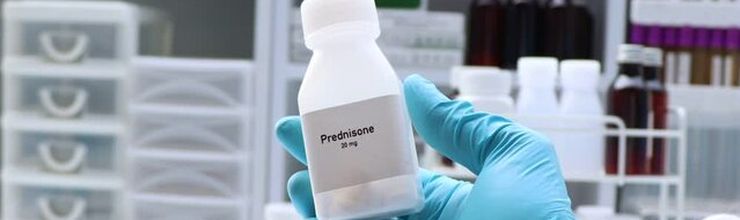
Day five of the prednisone, and you’re almost yourself again. The big toe you couldn’t rest a bed sheet on 96 hours ago is down to a dull throb. You take the last pill with breakfast, go to bed a believer, and wake up on day six to the exact same pain. Same joint. Same 3 a.m. bite. Some people swear the second round feels meaner than the first.
If that happened to you, you’re not alone, and you didn’t do anything wrong. What you ran into has a name rheumatologists use all the time: a rebound flare. Scroll any gout forum and you’ll find the same post over and over: “The prednisone was a miracle, then the miracle wore off.” Here’s what’s actually happening in that joint, why a short steroid course sets this up, and how to make sure it stops happening.
What Prednisone Actually Does for a Flare
Prednisone is a corticosteroid, a lab-made version of cortisol, the main anti-inflammatory hormone your adrenal glands make every day. During a gout flare, needle-shaped urate crystals sitting in your joint spark a riot of immune activity. White blood cells swarm the area, inflammatory proteins pile up, and the joint turns into a red, swollen, throbbing mess. Steroids shut that response down fast and hard.
The evidence behind them is strong. In a double-blind randomized trial published in the Lancet, oral prednisolone worked about as well as naproxen for acute gout flares. An emergency department trial found prednisolone matched indomethacin for pain relief with noticeably fewer side effects: about 6% of people on prednisolone had an adverse event during treatment versus 19% on indomethacin. That’s why the American College of Rheumatology (ACR) lists corticosteroids, nonsteroidal anti-inflammatory drugs (NSAIDs), and colchicine as first-line options, and why prednisone is so often the pick when weak kidneys or a history of stomach ulcers make the others risky.
But read what the steroid does carefully. It turns the volume of your immune system down. It does nothing at all to the thing that started the riot.
The Crystals Are Still in the Joint
This is the part nobody explains at the pharmacy counter.
Gout crystals don’t melt in a week. They dissolve slowly over months of treatment that keeps blood uric acid below 6 mg/dL, the level at which crystals can’t stay formed. Prednisone doesn’t lower uric acid by even a tenth of a point. It doesn’t dissolve a single crystal. While you’re taking it, the joint looks quiet because the immune reaction is being held underwater. The crystals sit there the whole time, like broken glass wrapped in a towel.
When the steroid clears your system, usually within a day or two after the last pill, the inflammation can pop right back. A review of gout treatment put it plainly: short courses of corticosteroids can be followed by a rebound attack, and starting low-dose colchicine at the same time helps prevent it. A 2025 clinical review notes that flare symptoms can recur 5 to 7 days after steroid treatment, and that courses on the short side raise the odds of rebound, which is why some rheumatologists taper prednisone over 10 to 14 days when someone has flared after stopping before.
Think about the timing. A flare left to itself burns for 7 to 10 days, sometimes two weeks. A five-day steroid course covers the worst of it, then hands the pain back to you right as the medicine leaves your body. The flare never ended. The blanket just came off.
Rebound or Withdrawal? Not the Same Thing
When the pain comes back, people sometimes blame “steroid withdrawal.” For the short courses used in gout, that’s mostly wrong.
Real steroid withdrawal is an adrenal problem. After weeks or months on corticosteroids, your body can temporarily stop making its own cortisol, so stopping cold turkey causes trouble. That’s why long courses get tapered down rather than stopped overnight. A five-day blast at 30 to 40 mg generally doesn’t suppress your adrenal system, and the ACR guideline says a 5 to 10 day course can simply be stopped.
Your day-six flare isn’t withdrawal. It’s the same flare, unmasked. The distinction matters because the fix is different. You don’t need to fear prednisone. You need to treat the disease behind the flare.
What to Do When the Flare Circles Back
Call your doctor’s office. Don’t quietly dig out a leftover steroid bottle, and don’t stack an NSAID on top of the prednisone “to be safe.” The guideline-supported playbook has a few options:
- A second, often longer steroid course. Either 7 to 10 days at full dose that can then be stopped, or 2 to 5 days at full dose followed by a 7 to 10 day taper, so anti-inflammatory coverage stretches past the flare’s natural length. A Medrol dose pack works on the same taper principle.
- Colchicine added to the mix. Low-dose colchicine run alongside a steroid is a recognized combination for flares that are severe or hit several joints, per the European League Against Rheumatism (EULAR) recommendations. If the flare restarted within the last day or so and your kidneys are fine, the loading-dose approach (1.2 mg, then 0.6 mg an hour later) is an option your doctor may use.
- A steroid injection into the joint. For one badly affected joint, an injection of methylprednisolone or triamcinolone works fast and keeps most of the steroid effect local instead of body-wide. A word of warning: joint injections also occasionally wear off around day 5 to 7 with a flare flickering back, so the same “treat the uric acid” lesson applies.
One move to avoid on your own: doubling up anti-inflammatories. Prednisone plus an NSAID like naproxen or ibuprofen raises the risk of stomach irritation and bleeding, and for the usual single-joint flare the guidelines recommend picking one approach, not piling them together. That’s a decision for a prescriber, not the pharmacy aisle.
One safety check matters more than all of this. If the joint is hot and you also have fever, chills, or feel systemically sick, don’t assume it’s gout. An infected joint can look nearly identical on the surface and needs urgent treatment. That’s an emergency room visit, not another course of pills. We laid out the red flags in When Gout Becomes an Emergency.
Colchicine has its own trap worth knowing about. It interacts dangerously with some common antibiotics, and the combination can shut down muscles and organs. If colchicine gets mentioned in any of this, spend five minutes with The Antibiotic That Can Kill You When You Take Colchicine before you fill it.
The Real Fix Isn’t a Longer Steroid Course
Here’s the uncomfortable truth inside every rebound story. Steroids treat flares. They cannot prevent the next one. If your flares keep coming back after the pills run out, your uric acid is not controlled.
That means urate-lowering therapy (ULT), most often allopurinol, sometimes febuxostat. The rules are well established:
- Target uric acid below 6 mg/dL (below 5 mg/dL if you have visible tophi, the hard white urate lumps under the skin). Below that line, existing crystals slowly dissolve and new ones stop forming.
- Keep taking your urate-lowering pill through a flare. Stopping it swings uric acid up and down, and those swings feed flares. The biggest reason treatment fails isn’t the drug, it’s people quitting: we dug into that in Why Your Gout Medication Isn’t Working: The Shocking Truth About the 88%.
- Cover the first months of ULT. Starting or raising the dose can shake crystals loose and trigger flares, so daily low-dose colchicine for the first 3 to 6 months is standard prevention. When colchicine isn’t an option, a low-dose NSAID or even low-dose prednisone under 10 mg a day can serve as backup cover per international consensus. We walked through who needs that cover in Do You Really Need a Daily Pill to Prevent Flares When Starting Allopurinol.
A rebound flare after a short steroid course is one of the clearest signals you’ll ever get that it’s time for the ULT conversation, not time to stockpile prednisone. A small number of people end up trapped in steroid course after steroid course for months because every taper attempt sparks another flare. A 2026 case report in Frontiers in Immunology described a patient whose gout flared every time his methylprednisolone dropped below 16 mg a day; breaking the loop took an injectable IL-1 blocker plus proper urate-lowering treatment. That’s the extreme end of the road, but it shows where “just take the prednisone again” leads when nobody treats the uric acid underneath.

How to Set Yourself Up for Next Time
A few things worth doing before the next flare, while you’re thinking clearly:
- Ask about course length up front. A 3 to 5 day course is common and often enough for a mild flare. If you’ve rebounded before, a 7 to 10 day course or a taper is a reasonable thing to request.
- Ask whether colchicine should run alongside the steroid. Especially if your flares tend to drag past a week on their own.
- Mention diabetes or high blood sugar. Short steroid courses can spike blood glucose, and other medication doses may need watching for a few days.
- Have a flare plan in place at home. The first 12 hours of a flare decide most of the outcome, which is why knowing your medication plan in advance matters more than anything you do on day three. Our step-by-step is in What to Do in the First 12 Hours.
- Get your uric acid tested a few weeks after the flare settles, not during it. Levels read artificially low mid-flare, which confuses everyone. We explained that oddity in Your Uric Acid Test Says Normal. Your Toe Says Gout.
Prednisone isn’t the villain here. It’s a remarkably effective fire blanket, and for people who can’t take NSAIDs or colchicine, it’s sometimes the only workable option. But a fire blanket doesn’t stop the fire from restarting. When the pain comes back the day after the last pill, that’s information: the crystals are still in there, and the uric acid is still too high. Use the steroid to get through the week. Then fix what’s actually burning.
Frequently Asked Questions
Why did my gout come back right after I finished prednisone?
Because prednisone quiets the immune reaction, not the crystals causing it. The urate crystals stay in your joint the whole course, and your uric acid doesn’t move. A flare naturally lasts 7 to 10 days or longer, so a 5-day steroid course can mask the worst of it and then leave the remaining inflammation uncovered as the drug clears. That return of symptoms is called a rebound flare.
Do I need to taper prednisone for a gout flare?
Not always. The ACR guideline supports either 5 to 10 days at a full dose that can simply be stopped, or 2 to 5 days at full dose followed by a 7 to 10 day taper. Short courses don’t usually suppress your adrenal system the way months of steroids do. But if you’ve rebounded after a short course before, or the flare is severe, a longer course or taper is a sensible thing to ask your doctor for.
Can I take naproxen or ibuprofen together with prednisone for gout?
Don’t do it on your own. Guidelines recommend choosing one main anti-inflammatory approach for a standard flare, because stacking an NSAID with prednisone adds stomach-bleeding risk without much extra benefit. Combining colchicine with a steroid is different and is a recognized option for severe or multi-joint flares, but that’s a prescriber’s call.
How long does a rebound flare last?
Once you restart effective treatment, most rebound flares settle within a few days to a week, following the same arc as any flare treated early. If it drags past two weeks, hits new joints, or keeps returning, that pattern points to uncontrolled uric acid and is your cue to get urate-lowering therapy started or adjusted.
Is it safe to keep taking prednisone every time gout flares?
Repeated steroid courses are a red flag, not a plan. Each course can raise blood sugar and blood pressure, and over months steroids thin bones and weaken your defenses against infection. People who bounce from one steroid course to the next almost always have uric acid that’s never been brought under 6 mg/dL. The fix is urate-lowering therapy plus flare-prevention coverage, not a standing prednisone prescription.
Does prednisone lower uric acid?
No. Prednisone has no meaningful effect on blood uric acid levels. It suppresses the inflammation the crystals trigger, which is why you feel better while taking it, but only urate-lowering drugs like allopurinol or febuxostat bring uric acid down far enough to dissolve crystals and stop flares at the source.
References
- Janssens HJEM, Janssen M, van de Lisdonk EH, van Riel PLCM, van Weel C. “Use of oral prednisolone or naproxen for the treatment of gout arthritis flares: a double-blind, randomised equivalence trial.” Lancet. 2008;371(9627):1854-1860.
- Man CY, Cheung ITF, Cameron PA, et al. “Comparison of oral prednisolone/paracetamol and oral indomethacin/paracetamol combination therapy in the treatment of acute goutlike arthritis: a double-blind, randomized, controlled trial.” Ann Emerg Med. 2007;49(5):670-677.
- FitzGerald JD, Dalbeth N, Mikuls T, et al. “2020 American College of Rheumatology Guideline for the Management of Gout.” Arthritis Rheumatol. 2020;72(6):879-895.
- Richette P, Doherty M, Pascual E, et al. “2016 updated EULAR evidence-based recommendations for the management of gout.” Ann Rheum Dis. 2017;76(1):29-42.
- Hui M, Carr A, Cameron S, et al. “The British Society for Rheumatology Guideline for the Management of Gout.” Rheumatology (Oxford). 2017;56(7):e1-e20.
- Andrés M, Sivera F, Falzon L, Buchbinder R, Carmona L. “Gout: optimizing treatment to achieve a disease cure.” Ther Adv Musculoskelet Dis. 2016;8(3):119-126.
- Terkeltaub RA, Furst DE, Bennett K, Kook KA, Crockett RS, Davis MW. “High versus low dosing of oral colchicine for early acute gout flare: twenty-four-hour outcome of the first multicenter, randomized, double-blind, placebo-controlled, parallel-group, dose-ranging colchicine study.” Arthritis Rheum. 2010;62(4):1060-1068.
- Slobodnick A, Shah B, Pillinger MH, Krasnokutsky S. “Colchicine: old and new.” Am J Med. 2015;128(5):461-470. See also updated gout therapy reviews noting flare recrudescence 5 to 7 days after corticosteroid treatment.
- “Firsekibart for steroid withdrawal in glucocorticoid-dependent refractory gout: a case report.” Front Immunol. 2026;17:1785692.
Reviewed by the GoutSavvy Editorial Team