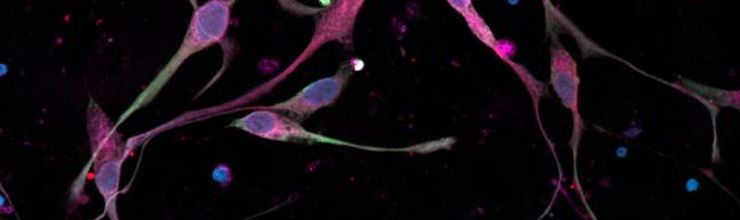
You Already Know Uric Acid Causes Gout. Here’s What You Probably Don’t Know.
Every doctor visit about gout follows the same script. Your uric acid is too high. You need to lower it. If you don’t, the crystals will wreck your joints, your kidneys, maybe your heart. Take your meds. Watch your diet. Come back in three months.
What no one mentions is that the same uric acid pooling in your blood might be doing something far more unsettling than destroying cartilage. It could be helping cancer cells hide from your immune system.
A 2026 study published in Cancer Research by a team at Tongji Hospital in China found that soluble uric acid acts as a “metabolic immune checkpoint.” That is science-speak for: uric acid literally switches off the immune cells responsible for hunting down tumors. And the drug many of us already take for gout might switch them back on.
How Uric Acid Silences Your Cancer-Killing Cells
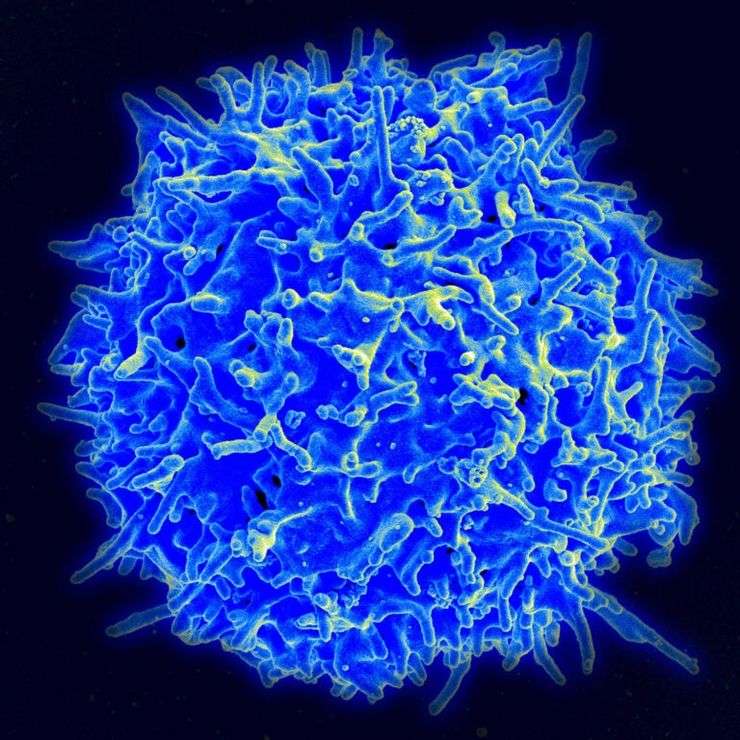
Your immune system has specialized soldiers called CD8+ T cells. Their job is straightforward: find cells that have turned cancerous, and destroy them. Think of them as a combination of surveillance drones and guided missiles. When they work properly, they catch early tumors before you ever know they exist.
The Tongji researchers discovered that uric acid binds directly to a protein inside these T cells called KSR1. When that happens, a signaling cascade called MEK-ERK goes into overdrive. The T cells get bombarded with so much signaling that they essentially burn out. They start displaying exhaustion markers, specifically PD-1 and Tim-3, on their surface. These are the same markers that tumors exploit to evade immunotherapy drugs like Keytruda and Opdivo.
In plain English: uric acid puts your cancer-fighting cells to sleep.
The researchers tested this in mice with colorectal cancer. Mice fed a high-uric-acid diet had tumors that grew significantly faster than normal mice. But here’s the critical detail: when they ran the same experiment in mice with no T cells, uric acid made no difference. That proves the tumor acceleration was specifically caused by T-cell exhaustion, not some other mechanism. The cancer wasn’t growing faster on its own. Your immune system was just too drained to fight it.
This Isn’t Just a Lab Experiment
Epidemiological studies have been dropping hints for years. Multiple population-based studies have linked elevated serum uric acid with advanced disease, poor prognosis, and higher recurrence rates across several cancer types, including colorectal, liver, pancreatic, and kidney cancers.
A retrospective study of 288 advanced liver cancer patients found that those with high uric acid had a median survival of 133.5 days, compared to 176 days for those with normal levels. That is a 24% reduction in survival time, linked to a metabolic marker most oncologists don’t even check.
A meta-analysis published in the Journal of Cancer reviewed multiple cohort studies and found that people with gout had a statistically significant increase in cancer risk, particularly for stomach, liver, lung, and bladder cancers. The connection held even after adjusting for age, sex, and comorbidities.
None of these studies prove that uric acid directly causes cancer. Correlation is not causation. But the Tongji study provides the mechanistic missing link that epidemiologists had been missing. It shows exactly how high uric acid could weaken antitumor immunity, giving us a biological explanation for what population data had been suggesting all along.
The Good News: Your Gout Medication Might Be Doing Double Duty
Here is where things get genuinely encouraging. The Tongji researchers didn’t just identify the problem. They tested a solution already sitting in millions of medicine cabinets.
Febuxostat, a common xanthine oxidase inhibitor prescribed for gout, was given to hyperuricemic mice with tumors. The results were striking. Febuxostat treatment reinvigorated the exhausted CD8+ T cells, restored their cancer-killing function, and significantly slowed tumor growth. When combined with oxaliplatin chemotherapy, the effect was even stronger. When paired with adoptive T-cell therapy (an experimental treatment where immune cells are extracted, multiplied, and reinfused), the combined effect was dramatic.
A separate study from Frontiers in Pharmacology found similar results in liver cancer. Rats with liver cancer treated with febuxostat had their median survival triple from 36 days to 96 days. The drug reduced oxidative stress markers and slowed tumor progression.
And febuxostat isn’t the only gout drug showing anticancer potential. Long-term allopurinol use (over one year) has been associated with a 34 to 36% reduction in prostate cancer risk in one study. Colchicine, the ancient gout flare medication, has demonstrated anticancer properties in laboratory settings by disrupting microtubule dynamics in cancer cells and inhibiting their migration and invasion.
If you want a deeper comparison of these medications, our guide on allopurinol versus febuxostat breaks down how each works and who should consider which.
What About the Uric Acid-Crystal Connection?
There is an important distinction here. The Tongji study focused on soluble uric acid, the dissolved form floating in your bloodstream, not the crystallized form that causes gout attacks. This means the immune-suppressing effect could be happening even in people whose uric acid is elevated but not high enough to trigger gout flares.
This matters because a lot of people walk around with uric acid levels in the 7 to 8 mg/dL range. Their doctors tell them it is “borderline” and to “watch it.” No medication, just monitoring. But if soluble uric acid is actively suppressing antitumor immunity at those levels, “watching it” might mean watching your immune defenses quietly erode.
The relationship between uric acid and your body goes far beyond joints. Our article on silent damage between gout flares covers how uric acid continues causing harm even when you feel fine. And the connection to metabolic syndrome explains why elevated uric acid rarely travels alone; it comes bundled with insulin resistance, obesity, and cardiovascular risk.
Should You Be Worried? Let’s Be Honest About the Caveats
Before you spiral into a cancer anxiety loop, take a breath. Here is what the research does and does not tell us.
What we know: In mice, high uric acid accelerates tumor growth by exhausting T cells. Febuxostat reverses this effect in mice. Population data suggests people with gout have elevated cancer risk for certain cancer types. Long-term use of uric acid-lowering drugs shows anticancer signals in observational studies.
What we do not know: Whether these findings translate directly to humans in the same way. Mouse models are informative but not definitive. The doses used in animal studies may differ from standard gout prescriptions. No research team has run a large randomized controlled trial giving febuxostat to cancer patients specifically to test immune reactivation.
The Tongji team did analyze human tissue samples. They found that colorectal cancer patients with higher tumor uric acid levels had more exhausted T cells in their tumors, suggesting the mechanism operates in people, not just mice. But clinical trials are needed before we can say with certainty that lowering uric acid improves cancer outcomes in humans.
If you have gout and are already taking uric acid-lowering medication, this research is reassuring. You may be getting an unexpected benefit. If your uric acid is elevated but you have been holding off on medication, this adds another reason to have a serious conversation with your doctor about treatment, beyond just joint protection.
What This Means for You Right Now
The practical takeaway is not to panic or demand cancer screenings you don’t need. It is to recognize that uric acid is not just a joint problem. It is a whole-body metabolic signal, and the consequences of ignoring it may extend further than anyone realized.
If you have gout, you already have the motivation and the medication to lower uric acid. This research suggests that doing so might protect more than your joints and kidneys. It might keep your immune system’s cancer-fighting capacity intact.
The most important thing you can do is the thing you should already be doing: get your uric acid to target (below 6.0 mg/dL, or below 5.0 mg/dL if you have tophi), take your prescribed medication consistently, and don’t stop just because the flares stop. Silent damage doesn’t take breaks. For more on why consistent treatment matters, see our guide on whether you can ever stop taking gout medication.
And if you have a history of cancer in your family alongside gout or high uric acid, this is a conversation worth having with both your rheumatologist and your primary care doctor. The research is early, but it is pointing in a direction that makes untreated hyperuricemia look increasingly risky.
Frequently Asked Questions
Does having gout mean I’ll get cancer?
No. Having gout does not mean you will develop cancer. The research shows a statistical association and a biological mechanism, but many people with gout do not develop cancer. The increased risk identified in studies is modest and concentrated in specific cancer types (stomach, liver, lung, bladder). What the research does suggest is that keeping uric acid controlled might offer additional protection beyond joint health.
Should I start taking febuxostat to prevent cancer?
Not without talking to your doctor. The anticancer effects of febuxostat have been demonstrated in animal models and observational studies, not in large human clinical trials for cancer prevention. Febuxostat also carries a boxed warning for cardiovascular mortality in certain patients. If you already take febuxostat for gout, that is between you and your rheumatologist. Do not start or change any medication based on this article alone.
What uric acid level is safe for immune function?
The Tongji study used high-uric-acid mouse models but did not establish a specific human threshold at which T-cell suppression begins. Standard gout guidelines recommend keeping uric acid below 6.0 mg/dL for general management. Whether lower is better for immune function is an open question. What is clear is that levels above 7.0 mg/dL, the threshold for clinical hyperuricemia, are worth addressing.
I don’t have gout but my uric acid is borderline high. Should I be concerned?
Borderline elevated uric acid (7 to 8 mg/dL) without gout symptoms is extremely common. Whether this level causes meaningful immune suppression in humans remains unknown. However, if you have other risk factors like metabolic syndrome, obesity, or a family history of cancer, it is worth discussing with your doctor whether lifestyle changes or monitoring would be appropriate.
Does allopurinol have the same anticancer effect as febuxostat?
Both allopurinol and febuxostat are xanthine oxidase inhibitors, meaning they reduce uric acid production through the same pathway. The Tongji study tested febuxostat specifically, but the mechanism suggests any effective uric acid lowering could theoretically help. A separate observational study found long-term allopurinol use associated with a 34 to 36% reduction in prostate cancer risk. However, direct head-to-head comparison of their anticancer potential has not been done.
Is this research peer-reviewed and credible?
Yes. The primary study was published in Cancer Research (Volume 86, Issue 14, July 2026), one of the most cited oncology journals in the world, published by the American Association for Cancer Research. The research was conducted at Tongji Hospital, affiliated with Huazhong University of Science and Technology, one of China’s top medical institutions. It was funded by the National Natural Science Foundation of China and the National Science and Technology Major Project. Supporting studies have been published in Frontiers in Pharmacology, Mediators of Inflammation, and the Journal of Cancer.
References
- Liu A, Zuo F, Li M, et al. Soluble Uric Acid Drives CD8+ T-cell Exhaustion by Inducing KSR1-Mediated MAPK Hyperactivation. Cancer Res. 2026;86(14):3459-3479. doi:10.1158/0008-5472.CAN-25-3911
- Zhang Y, et al. Elevated Serum Uric Acid is Associated With Poor Survival in Advanced HCC Patients and Febuxostat Improves Prognosis in HCC Rats. Front Pharmacol. 2021;12:778890.
- Wang W, Xu D, Wang B, et al. Increased risk of cancer in relation to gout: a review of three prospective cohort studies with 50,358 subjects. Mediators Inflamm. 2015;2015:680853.
- Fini MA, Elias A, Johnson RJ, Wright RM. Contribution of uric acid to cancer risk, recurrence, and mortality. Clin Transl Med. 2012;1:16.
- Kobylecki CJ, Afzal S, Nordestgaard BG. Plasma urate, cancer incidence, and all-cause mortality: a Mendelian randomization study. Clin Chem. 2017;63:1151-1160.
- Mao L, Guo C, Zheng S. Elevated urinary 8-oxo-7,8-dihydro-2′-deoxyguanosine and serum uric acid are associated with progression and are prognostic factors of colorectal cancer. Onco Targets Ther. 2018;11:5895-5902.
- Stotz M, et al. Evaluation of uric acid as a prognostic blood-based marker in a large cohort of pancreatic cancer patients. PLoS One. 2014;9:e104730.
- Tian L, Wang Y, et al. Gout and risk of cancer: a meta-analysis of cohort studies. J Cancer. 2023;14(12):2191-2201.
Reviewed by the GoutSavvy Editorial Team