
You Cut the Steak, Dropped the Eggs, and Your Uric Acid Still Won’t Move
If you’ve been dealing with gout for a while, you’ve probably heard the same advice a hundred times: cut the purines. Drop the red meat. Skip the seafood. Lay off the beer.
So you did. You swapped steak for salads. You said goodbye to your weekend shrimp cocktail. You even gave up eggs, just in case. And when you went back for your blood test…
Same number. Maybe even higher.
Frustrating doesn’t begin to cover it. You did everything “right,” and your uric acid barely flinched. What’s going on?
Here’s the thing nobody probably told you: for most people with gout, the problem isn’t how much uric acid you’re making. It’s how much your kidneys are holding onto. And the biggest driver of that retention isn’t purines at all. It’s insulin.
The Protein Trap: Why Cutting Meat Doesn’t Always Work
Let’s start with a number that might surprise you. Research shows that about 60% of people with high uric acid have what doctors call “underexcretion type” hyperuricemia. That means your body produces a normal amount of uric acid, but your kidneys can’t get rid of it fast enough.
Think of your kidneys like a bouncer at a club. Uric acid is trying to leave through the front door (urine), but the bouncer keeps letting it back inside. Cutting purines from your diet means fewer people show up at the door, sure. But if the bouncer is still shoving everyone back inside, the club stays overcrowded.
That bouncer? In many cases, it’s insulin.
When you have insulin resistance, your cells have stopped responding well to insulin. Your body compensates by pumping out more and more of it. This chronic high insulin does something sneaky in your kidneys: it cranks up the activity of two key transporters called URAT1 and GLUT9.
URAT1 sits on the front wall of your kidney tubes and grabs uric acid, pulling it back into your bloodstream. GLUT9 is the back door, the main pathway for reabsorbed uric acid to re-enter your blood. Insulin stimulates both of them. More insulin means more uric acid gets recycled back into your body instead of leaving through urine.
A landmark study from Harvard Medical School, published in Frontiers in Physiology, found that insulin directly activates GLUT9, the high-capacity transporter responsible for pulling uric acid back into your blood. The researchers showed that insulin increased GLUT9 expression by nearly 4-fold in kidney cells. That’s not a minor effect. That’s your body aggressively hoarding uric acid every time insulin spikes.
So here’s what happens when you cut protein but your insulin is still high: you’ve reduced purine intake, sure. But your kidneys are still in “recycle mode,” fighting you every step of the way. No wonder the number doesn’t budge. If you want to understand why protein and gout have a more complicated relationship than most diet guides admit, this is where the story starts.
The Metabolic Syndrome Connection: It’s Not Just About Joints
If you have gout, there’s a decent chance you also have metabolic syndrome. A study using data from NHANES (the National Health and Nutrition Examination Survey) found that 63% of people with gout meet the criteria for metabolic syndrome, compared to about 25% of the general population. Other studies put that number as high as 70%.
Metabolic syndrome isn’t one condition. It’s a cluster: belly fat, high blood pressure, elevated blood sugar, high triglycerides, and low HDL (“good”) cholesterol. The thread tying all of these together? Insulin resistance.
This explains something that puzzles a lot of people: how can a vegetarian who never touches alcohol still get gout? The answer is that if their insulin resistance is bad enough, their kidneys will hold onto uric acid no matter how clean their diet is. The metabolic dysfunction overrides whatever you eat.
It also explains why gout often shows up alongside type 2 diabetes, high blood pressure, and obesity. These aren’t separate diseases that happen to occur together. They’re different symptoms of the same underlying problem. And if you’re already dealing with gout and kidney disease, insulin resistance makes both worse in a vicious cycle.
Fructose: The Real Villain Hiding in Your Fridge
If protein isn’t the enemy, what is? For many people, the answer is fructose.
Fructose is a sugar found in table sugar, high-fructose corn syrup, fruit juices, and many processed foods. When your liver processes fructose, it burns through ATP (your cells’ energy currency) at an alarming rate. One of the byproducts of this rapid ATP burn? Uric acid.
So fructose does double damage: it directly increases uric acid production AND it worsens insulin resistance. It’s like pouring gasoline on a fire from two different angles.
Research has shown that men who drink two or more sugar-sweetened beverages daily have an 85% higher risk of gout compared to those who rarely touch them. That’s not a marginal increase. That’s a massive, undeniable signal. We’ve covered the fructose-gout connection in depth before, but the insulin angle adds a whole new layer to the story.
This is also why some people see their uric acid drop on low-carb or keto diets, even when those diets are high in meat. By cutting out sugar and refined carbs, they’re addressing the real driver: insulin. With insulin coming down, the kidneys finally start releasing uric acid the way they should.
But before you jump on the keto bandwagon, there’s a catch. Rapid weight loss and extreme carb restriction can temporarily spike uric acid because ketone bodies compete with uric acid for kidney excretion. The key word is “temporarily.” Once your weight stabilizes and insulin sensitivity improves, uric acid typically drops below where you started. The intermittent fasting and gout research tells a similar story: short-term spikes, long-term gains.
What Actually Moves the Needle: Fixing Insulin, Not Just Cutting Purines
So if insulin resistance is the hidden driver, what can you do about it? The good news is that insulin sensitivity is highly responsive to lifestyle changes. Here’s what the evidence supports:
Cut the Sugar, Keep the Protein
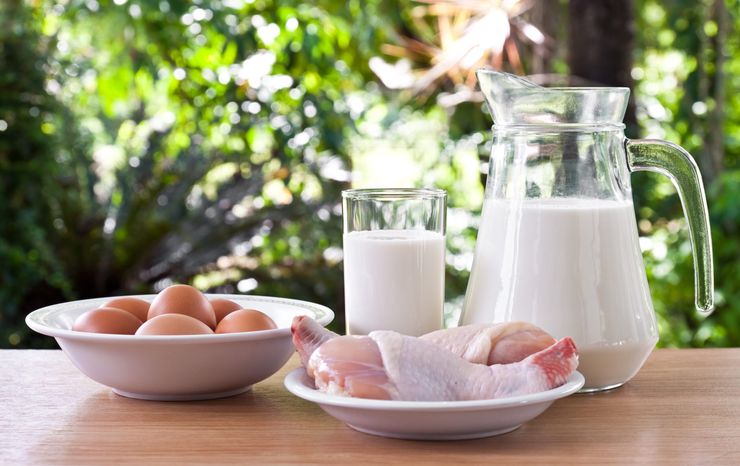
Instead of obsessing over purine tables, shift your focus to cutting added sugars, sugary drinks, and refined carbohydrates. Swap soda for water. Replace white bread with whole grains. Keep eating moderate amounts of protein, including eggs, dairy, and lean chicken. These foods have low purine content and won’t spike your insulin.
A 2026 study from Qingdao University published in Nutrients showed that simply adjusting dietary patterns, without changing medication, lowered uric acid by an average of 112 micromol/L in just 42 days. The key changes? More vegetables, adequate protein, and strict limits on sugar and alcohol. The uric acid target achievement rate jumped from 11% to 71%.
Move Your Body
Exercise is one of the most powerful insulin-sensitizing tools available. Both aerobic exercise and resistance training improve how your cells respond to insulin. When insulin sensitivity improves, circulating insulin drops, URAT1 activity decreases, and your kidneys start flushing uric acid more efficiently.
You don’t need to become a marathon runner. Even moderate activity, like 30 minutes of brisk walking five days a week, can make a measurable difference. Just avoid sudden, intense exercise if you’re in the middle of a flare. Our complete exercise guide for gout breaks down exactly what’s safe and what to avoid.

Lose Weight Gradually
Losing just 5 to 10% of your body weight can meaningfully improve insulin sensitivity and lower uric acid. But the emphasis is on gradually. Crash dieting and rapid weight loss can temporarily raise uric acid as your body breaks down tissue and ketones compete with uric acid for excretion. Aim for 0.5 to 1 kg per week. For a deeper dive, check out our guide on safe weight loss strategies for gout.
Sleep Matters More Than You Think
Research shows that even mild sleep deprivation, getting 6 hours instead of 8, can reduce insulin sensitivity by 25% or more. For someone with gout, that means worse uric acid clearance, which can contribute to flares. Prioritizing 7 to 8 hours of quality sleep isn’t just generic health advice. It’s a legitimate gout management strategy. Poor sleep and gout flares are more connected than most people realize, as we explored in our piece on stress, sleep, and gout.
Coffee Might Actually Help
Here’s a pleasant surprise: research from the National Institutes of Health found that caffeine inhibits insulin-stimulated urate transport. In plain English, coffee may block the mechanism by which insulin tells your kidneys to hold onto uric acid. Multiple studies have linked regular coffee consumption with lower uric acid levels. Just skip the sugar.
When Lifestyle Isn’t Enough: Medications That Address Both
Sometimes lifestyle changes aren’t enough, and that’s okay. If your insulin resistance is severe or your gout is advanced, you may need medication. The good news is that some medications can help with both conditions:
Metformin, the first-line drug for type 2 diabetes, improves insulin sensitivity and has been associated with lower uric acid levels in some studies, likely by reducing the insulin signal that cranks up URAT1.
SGLT2 inhibitors (sodium-glucose cotransporter-2 inhibitors), a newer class of diabetes drugs, lower blood sugar by flushing glucose through urine. They also happen to increase uric acid excretion. Research has shown these drugs can reduce gout flares by 10 to 15% in people with type 2 diabetes.
And of course, standard urate-lowering therapy remains important if your uric acid is stubbornly high. Allopurinol and febuxostat (the two most common uric acid production blockers), while uricosuric agents like dotinurad (a selective URAT1 inhibitor) block the very transporter that insulin activates. If your gout is driven by insulin resistance, a URAT1 inhibitor may be particularly well-suited because it targets the exact mechanism causing the problem. Talk to your doctor about whether allopurinol or febuxostat is right for your situation, and ask whether a uricosuric option might make more sense given your metabolic profile.
The point is: don’t choose between managing your metabolism and managing your gout. They’re the same fight.
The Bottom Line
If you’ve been religiously cutting purines and your uric acid still won’t cooperate, stop blaming the steak. The real culprit might be insulin resistance, quietly telling your kidneys to hold onto every last bit of uric acid.
The fix isn’t more restriction. It’s smarter restriction. Cut the sugar and refined carbs that drive insulin resistance. Keep the protein your body needs. Move your body, get some sleep, and if needed, talk to your doctor about medications that target the insulin-uric acid connection.
Your kidneys have been fighting you this whole time. It’s time to give them a reason to stop.
Frequently Asked Questions
Can insulin resistance cause gout even if my diet is perfect?
Yes. If your insulin levels are chronically elevated, your kidneys will reabsorb more uric acid regardless of what you eat. Research shows that even in healthy individuals, experimentally induced high insulin reduces uric acid clearance by 25 to 50%. Diet matters, but if insulin resistance is the driver, you need to address the metabolism, not just the menu.
Should I stop eating protein if I have gout?
No. Most people with gout don’t need to eliminate protein. Eggs, dairy, and lean chicken are low in purines and won’t spike insulin. The problem isn’t protein itself. It’s the metabolic dysfunction that prevents your kidneys from clearing uric acid. Focus on cutting sugar and refined carbs instead of obsessing over every gram of protein.
Can a low-carb diet help lower uric acid?
For many people, yes. By reducing refined carbohydrates and sugar, low-carb diets can improve insulin sensitivity, which helps your kidneys excrete uric acid more efficiently. However, extreme carb restriction or rapid weight loss can temporarily raise uric acid due to ketone competition. The key is to transition gradually and monitor your levels.
How do I know if insulin resistance is driving my gout?
Look for the cluster: belly fat, high blood pressure, elevated fasting blood sugar, high triglycerides, and low HDL (“good”) cholesterol. If you have two or more of these alongside gout, insulin resistance is likely playing a role. Ask your doctor to check your fasting insulin or HOMA-IR (a common measure of insulin resistance) score. A HOMA-IR above 2.7 is associated with impaired uric acid handling.
Does coffee really lower uric acid?
Multiple studies have linked regular coffee consumption with lower uric acid levels. Research suggests caffeine may inhibit the insulin-stimulated activation of urate transporters in the kidneys. Four cups a day or less appears to be the sweet spot. Just hold the sugar, since adding sugar would defeat the purpose.
References
- Facchini FS, et al. Relationship between insulin resistance and uric acid. Journal of the American Medical Association. 1991;266(21):3008-3011.
- Choi HK, et al. Prevalence of metabolic syndrome in patients with gout. Arthritis Care & Research. 2007;57(1):109-115.
- Johnson RJ, et al. Genetic and Physiological Effects of Insulin on Human Urate Homeostasis. Frontiers in Physiology. 2021;12:713710.
- Toyoda H, et al. Insulin stimulates uric acid reabsorption via regulating URAT1 and ABCG2. American Journal of Physiology – Renal Physiology. 2017;313(3):F559-F570.
- Nakagawa T, et al. Caffeine inhibits both basal and insulin-activated urate transport. Purinergic Signalling. 2024;20(4):583-601.
- Choi HK, Curhan G. Soft drinks, fructose consumption, and the risk of gout in men. BMJ. 2008;336(7651):509-512.
- Quinones Galvan A, et al. Effect of insulin on uric acid excretion in humans. American Journal of Physiology. 1995;268(1 Pt 1):E1-E5.
- Wang J, et al. Qingdao University dietary intervention study on uric acid reduction. Nutrients. 2026;18(6):1204.
- Tanaka K, et al. Dotinurad: a novel selective urate reabsorption inhibitor for metabolic syndrome. Cells. 2024;13(4):450.
- Muscelli E, et al. Effect of insulin on renal sodium and uric acid handling in essential hypertension. American Journal of Hypertension. 1996;9(8):736-741.
Reviewed by the GoutSavvy Editorial Team