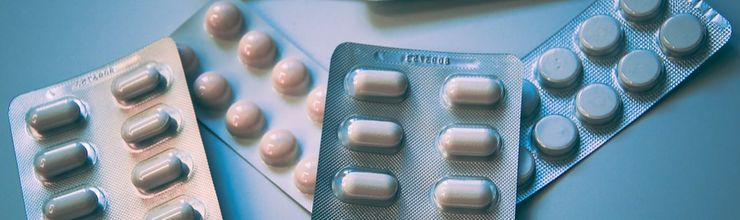
That Purple Pill for Heartburn Might Be Wrecking Your Uric Acid
You take omeprazole every morning. Maybe esomeprazole. Maybe lansoprazole. One of those little capsules that keeps the acid reflux at bay so you can drink your coffee without regretting it an hour later.
Nobody told you it might be pushing your uric acid through the roof.
And if you already deal with gout, nobody warned you that the same pill calming your stomach could be the thing lighting up your big toe.
Turns out, there is a growing pile of research linking proton pump inhibitors (PPIs) to gout. Not a theory. Not a hunch. Actual population-level data from tens of thousands of people.
Let me walk you through what the science says, how it happens, and what you can actually do about it.
What the Studies Actually Show
The biggest wake-up call came from Taiwan in 2023. Researchers dug into a national health insurance database covering 23 million people and ran a population-based case-control study. The finding? People taking PPIs, specifically esomeprazole, had a 30% higher chance of developing gout compared to non-users.
But here is what really caught my attention: the risk was not spread evenly over time. It spiked hard in the first 30 days. People who just started a PPI had a 70% higher risk of gout in that first month. That is not a slow, gradual buildup. That is a near-immediate trigger.
Women got hit harder than men. Middle-aged people (41 to 60) were more vulnerable than seniors. If you are a 50-year-old woman who just started taking omeprazole for reflux and suddenly your toe is on fire, this study just described you.
Then in 2026, a different team from Sichuan University published a study in Frontiers in Pharmacology that made the connection even stronger. They looked at 1,900 people hospitalized for gastrointestinal bleeding. Of those, 10.5% developed new-onset hyperuricemia (high uric acid) during their hospital stay. When they ran the analysis, PPI exposure stood out as an independent risk factor with an odds ratio of 4.86.
Let me put that number in context. An odds ratio of 4.86 means PPI users in that study were nearly five times more likely to develop high uric acid than non-users. That is not a subtle signal. That is a flashing red light.
How Does a Stomach Pill Raise Uric Acid?
This is the part where most articles wave their hands and say “the mechanism is unclear.” But we actually have a pretty good idea of what is going on.
PPIs work by shutting down the proton pump in your stomach lining. That is how they stop acid production. But here is the thing: that same type of pump exists in your kidneys. Specifically, in the kidney tubules, where your body fine-tunes acid-base balance and handles uric acid excretion.
When a PPI suppresses the renal H+-K+-ATPase pump, it throws off the acid-base environment in the kidney tubules. Uric acid excretion depends on a delicate pH balance. Disrupt that balance, and uric acid starts backing up into your bloodstream instead of leaving through your urine. If you want a deeper dive into how your kidneys and uric acid interact, check out our guide on gout and kidney disease.
A Chinese clinical study back in 2019 put this to the test in a very direct way. They took 20 people with stable gout who also had upper GI bleeding and needed PPI treatment. Every single one of them, all 20, developed an acute gout flare after starting the PPI. The average time from first dose to flare? About 4 days.
All 20. Four days. That is not a coincidence.
There is also a second mechanism that researchers uncovered. A study published in Redox Biology found that omeprazole increases the activity of an enzyme called xanthine oxidoreductase (XOR) in blood vessels. XOR is the same enzyme that converts purines into uric acid. More XOR activity means more uric acid production. Interestingly, febuxostat, a common gout medication, completely blocked this effect because it is an XOR inhibitor.
So PPIs may be hitting you from two directions: making your kidneys worse at getting rid of uric acid, and simultaneously ramping up the enzyme that produces it.
Are All PPIs the Same?
Here is where it gets interesting. Not all PPIs appear to carry the same risk.
A 2025 nationwide study from Taiwan, published in Clinical Rheumatology, compared lansoprazole against other PPIs in over 9,000 people. The result? Lansoprazole users had a 36% lower risk of developing gout compared to users of other PPIs (hazard ratio 0.64). This protective effect held up across both men and women and across age groups.
Why would lansoprazole be different? The researchers did not nail down a definitive mechanism, but it likely comes down to how different PPIs interact with renal transporters. Each PPI has a slightly different chemical structure, and those differences may affect how much they interfere with kidney uric acid handling.
If you need a PPI and you are worried about gout, this is worth bringing up with your doctor. Lansoprazole might be the safer bet.
What Should You Do If You Take a PPI and Have Gout?
First, do not just stop taking your PPI cold turkey. Rebound acid hypersecretion is real, and it can make your reflux worse than before. Talk to your doctor first.
Here is what a reasonable conversation with your doctor might look like:
Ask whether you still need the PPI. A lot of people start PPIs for a specific issue, like healing an ulcer or treating severe reflux, and then just keep taking them for years. If the original problem is resolved, you may be able to taper off.
Ask about alternatives. H2 receptor blockers like famotidine work differently from PPIs and do not appear to carry the same gout risk. The older UK study that looked at omeprazole, ranitidine, and cimetidine found no increased gout risk with the H2 blockers. Lifestyle changes (weight loss, avoiding late meals, elevating the head of your bed) can also reduce reflux without any medication.
If you must take a PPI, ask about lansoprazole. Based on the 2025 study, it carries a significantly lower gout risk than other PPIs.
Monitor your uric acid. If you are starting a PPI and you have a history of gout or high uric acid, get your levels checked. The Taiwan study showed the highest risk in the first 30 days, so checking at 2 and 4 weeks makes sense.

Talk to your rheumatologist or primary care doctor about adjusting your gout treatment. or primary care doctor about adjusting your gout treatment. If your uric acid creeps up after starting a PPI, you may need a higher dose of your urate-lowering medication, or a different approach entirely.
The Bigger Picture: Medications That Sneakily Raise Uric Acid
PPIs are not the only common medications that can push uric acid up. If you are someone who keeps getting gout flares despite “doing everything right,” it is worth looking at your full medication list with your doctor.
Blood pressure medications are a well-known culprit. Diuretics, especially thiazides and loop diuretics, reduce uric acid excretion by the kidneys. Diuretics and gout have a well-documented connection that many people rarely hear about until they end up in an urgent care clinic with a swollen toe. Low-dose aspirin, which many people take for heart protection, can also nudge uric acid up. And certain immunosuppressants like cyclosporine are notorious for causing hyperuricemia.
The pattern here is that medications affecting kidney function or acid-base balance can inadvertently mess with uric acid handling. Your kidneys are doing a lot of the heavy lifting when it comes to uric acid clearance, so anything that throws them off can show up as a gout flare.
Frequently Asked Questions
Can omeprazole cause gout attacks?
Research suggests it can. A 2023 Taiwan study found that PPI use increased gout risk by 30%, with the highest risk in the first 30 days of treatment. A separate clinical study found that all 20 people with stable gout who started PPI treatment experienced acute flares within about 4 days. If you have gout and are starting omeprazole, monitor your uric acid closely.
Which PPI is safest for people with gout?
A 2025 nationwide study from Taiwan found that lansoprazole was associated with a 36% lower risk of gout compared to other PPIs. If you need a PPI and have gout or high uric acid, lansoprazole may be worth discussing with your doctor as a potentially safer option.
Should I stop taking my PPI if I have gout?
Do not stop abruptly. Suddenly discontinuing a PPI can cause rebound acid hypersecretion, making your reflux worse. Instead, talk to your doctor about whether you still need the PPI, whether an alternative like an H2 blocker would work, or whether lansoprazole might be a better choice. Your doctor can help you weigh the risks and benefits.
How do PPIs raise uric acid levels?
PPIs appear to affect uric acid through two mechanisms. First, they may inhibit the H+-K+-ATPase pump in kidney tubules, disrupting the acid-base balance needed for proper uric acid excretion. Second, research shows that omeprazole increases the activity of xanthine oxidoreductase (XOR), the enzyme that produces uric acid. Both effects push uric acid levels higher.
Are H2 blockers like famotidine safer for gout than PPIs?
The available evidence suggests H2 blockers do not carry the same gout risk as PPIs. An older UK study comparing omeprazole, ranitidine, and cimetidine found no increased gout risk with H2 blockers. However, H2 blockers are generally less effective than PPIs for severe reflux, so the choice depends on your specific situation.
Key Takeaways
If there is one thing to take away from all this, it is that medications you take for one condition can quietly affect another. PPIs are effective and widely used, and for many people they are necessary. But if you have gout, or if your uric acid has been creeping up without an obvious explanation, your heartburn pill deserves a closer look.
The smartest move? Bring this up with your doctor. Ask whether you still need the PPI, whether lansoprazole might be a better option, and get your uric acid checked if you are starting or already taking one of these medications. A simple medication review might be the missing piece in your gout management puzzle.
References
- Zhu KJ, Feng W, Ma XN, et al. Proton pump inhibitor use associated with an increased risk of gout: A population-based case-control study. Int J Rheum Dis. 2023;26(9):1799-1806. doi:10.1111/1756-185X.14834
- Wang R, Sun S, Mao MX, et al. Association between exposure to proton pump inhibitors and hyperuricemia: risk prediction model establishment and nomogram construction. Front Pharmacol. 2026;17:1842574. doi:10.3389/fphar.2026.1842574
- Lansoprazole associated with a relatively lower gout risk among PPI users: a nationwide retrospective study. Clin Rheumatol. 2025;44:2971-2979.
- Gomolak et al. Omeprazole impairs vascular redox biology and causes xanthine oxidoreductase-mediated endothelial dysfunction. Redox Biol. 2016. PMC4983109.
- Li YL, Nong B, Huang ZS, et al. Effects of proton pump inhibitors on acute gout attack in stable gout with upper gastrointestinal hemorrhage. Chin J New Clin Med. 2019;12(10):1083-1086.
- Meier CR, Jick H. Omeprazole, other antiulcer drugs and newly diagnosed gout. Br J Clin Pharmacol. 1997;44(2):175-178.
Reviewed by the GoutSavvy Editorial Team