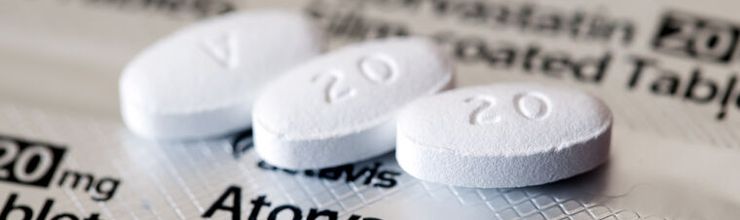
Your doctor hands you a prescription for a cholesterol pill. Then you see the fine print about muscle aches and liver tests, and a question pops into your head: wait, could this thing trigger my gout? If you take atorvastatin (Lipitor), rosuvastatin (Crestor), or any of the statins, you’ve probably wondered. So let’s settle it.
No. Statins don’t cause gout. In fact, the most widely used one, atorvastatin, actually nudges your uric acid down a little in study after study. But there’s a catch hiding in this story, and it involves two things: a newer cholesterol drug that genuinely raises your gout risk, and a dangerous interaction between statins and colchicine that almost nobody warns you about. Stick around, because both could matter for you.
Why People with Gout End Up on Statins
Here’s the overlap nobody talks about. Gout and high cholesterol travel together. If you have gout, you’re more likely to carry the whole cluster: extra weight around the middle, high blood pressure, high blood sugar, and lipids that don’t behave. One large Korean screening study found that people with dyslipidemia (abnormal cholesterol or triglycerides) were significantly more likely to have gout than matched controls. The conditions grow in the same soil.
That means millions of people with gout take a statin, sometimes for decades. And if you’re one of them, you deserve to know what that pill does to the uric acid number you work so hard to control.
What Statins Actually Do to Your Uric Acid
Researchers have run this experiment repeatedly. In the SAGE trial, 893 older patients with coronary heart disease were assigned to either atorvastatin 80 mg a day or pravastatin 40 mg a day. After 12 months, serum uric acid in the atorvastatin group fell by 0.52 mg/dL, while the pravastatin group barely moved (minus 0.09 mg/dL). Kidney function in the atorvastatin group, measured as estimated glomerular filtration rate (eGFR, a number that tells you how well your kidneys filter blood), improved slightly too. The two changes tracked together: as filtration improved, uric acid fell.
A 2024 meta-analysis pooled 23 controlled trials covering over 3,900 people on statins. Statins as a group lowered uric acid modestly, and atorvastatin led the pack with an average drop around 0.6 to 0.7 mg/dL. Simvastatin showed a small effect; pravastatin and rosuvastatin results were weak or inconsistent; and pitavastatin has produced mixed signals, with some trials even showing a slight rise.
Why would a cholesterol drug touch uric acid at all? Statins don’t block uric acid production the way allopurinol does. The honest answer is that nobody has pinned down the exact mechanism, but the leading explanation is simple: better kidney filtration and less insulin resistance mean your kidneys flush a bit more urate out. That fits the SAGE data, where the people whose eGFR improved the most saw the biggest uric acid drops. It’s a side benefit, not the drug’s main job.
And let’s keep that benefit in perspective. A 0.5 mg/dL dip is nice, but it’s roughly one-tenth of what a proper urate-lowering medication does. Allopurinol or febuxostat typically brings uric acid down by 2 to 5 mg/dL, which is what it actually takes to reach the target below 6 mg/dL and dissolve crystals. A statin will help your heart. It won’t make your gout go away.
Do Statins Lower Your Chance of a Flare? The Honest Answer
This is where the story gets murky, so pay attention.
A Taiwanese team followed people newly treated for high cholesterol and compared regular statin users with people who took statins irregularly or used other lipid drugs. Overall, regular statin use did not significantly reduce the rate of new gout diagnoses (adjusted hazard ratio 0.95, and the confidence interval crossed 1.0). But a pattern emerged with dose and duration. People who took statins for more than 3 years, or accumulated a high total dose, had roughly half the gout rate of the comparison groups (hazard ratios 0.48 to 0.76).
A newer nationwide analysis from Taiwan, published in 2026, found pitavastatin users had about a 36% lower rate of new gout than people on other statins, even though pitavastatin is the very drug that raised uric acid in some short-term trials. That contradiction tells you something important: these are observational studies. They track who got prescribed what in real life, and sicker, heavier people tend to get different drugs than healthier ones. The genetic studies that try to remove that bias, called Mendelian randomization, have produced conflicting results too, with one suggesting that statin action at the gene level might slightly raise gout risk.
So here’s the bottom line on flare prevention: take a statin because your heart or your arteries need it. Don’t take one expecting it to stop gout attacks. The urate dip is real but small, and the long-term data on actual attacks is encouraging without being settled.
The Interaction That Can Put You in the Hospital
This is the section to read twice if you take colchicine.
Colchicine is the old, reliable gout medicine that quiets flares and, in low daily doses, prevents them while you start a urate-lowering drug. Millions of people with gout take it for months or years. Atorvastatin and simvastatin are broken down in your liver by an enzyme called CYP3A4. So is colchicine. When the two drugs compete for that enzyme, colchicine levels in your blood can climb, and both drugs can stack their muscle-toxicity risks on top of each other.
Colchicine toxicity isn’t subtle, and it isn’t rare in people with kidney problems. Severe cases cause widespread muscle pain and weakness, nerve damage, and failure of multiple organs, and the colchicine label explicitly recommends dose reductions or avoiding the combination with certain CYP3A4 drugs. Add a statin’s own small risk of muscle injury, and you’ve got a combination worth flagging before you leave the pharmacy.
If you take colchicine daily for flare prevention, mention it to whoever prescribes your cholesterol medicine. Pravastatin and rosuvastatin largely skip the CYP3A4 pathway, making them the common choice when colchicine is on the medication list. And the rule for symptoms is simple: unexplained muscle pain or weakness that doesn’t fade, especially with dark or cola-colored urine, means calling a doctor the same day.
The Cholesterol Drug That Actually Does Raise Gout Risk
Now the twist. If you can’t tolerate a statin (the muscle aches are real for about 1 in 10 people), your doctor may reach for bempedoic acid, sold as Nexletol, sometimes combined with ezetimibe as Nexlizet. It’s a legitimate drug that lowers LDL (low-density lipoprotein, the “bad cholesterol”) and cuts cardiovascular events. But its FDA label carries a warning that anyone with gout should read before the first pill.
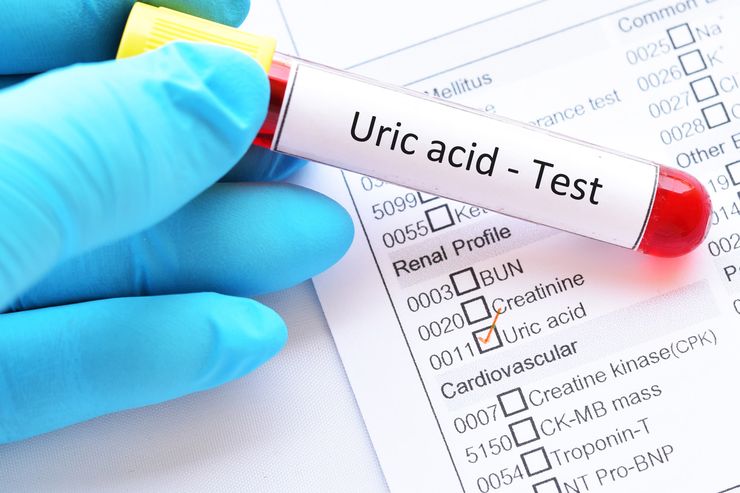
Bempedoic acid blocks a kidney transporter called OAT2 that uric acid uses to leave the body. In the trials, uric acid rose by an average of 0.8 mg/dL within the first 4 weeks and stayed elevated for as long as people took the drug. Among people starting with normal uric acid, 26% developed high uric acid on bempedoic acid versus 9.5% on placebo. Gout itself was reported by 1.5% of users in the cholesterol trials (versus 0.4% on placebo), and 3.2% in the large cardiovascular outcomes trial. Levels come back down after stopping.
Read that again: the drug people get handed instead of a statin is the one that demonstrably pushes uric acid up and can pull gout out of remission. If you have a history of gout and a doctor suggests bempedoic acid, it’s a perfectly reasonable question to ask whether a different approach fits you better, or at minimum to get a baseline uric acid level and recheck it within the first month.
What about the other options? Fenofibrate, a triglyceride drug, actually lowers urate by about 20%, though the American College of Rheumatology guidelines conditionally recommend against choosing fibrates over other lipid drugs just for gout. A diabetes and heart-failure drug class called SGLT2 inhibitors (empagliflozin, sold as Jardiance, is one) lowers uric acid too, as we explained in Your Diabetes Drug Might Already Be Lowering Your Gout Risk. Another cholesterol drug class, the PCSK9 inhibitors such as evolocumab (Repatha), looks roughly neutral on urate.
What This Means for Your Pillbox
Practical takeaways, in plain language:
- Don’t stop your statin over a gout flare. Flares aren’t caused by statins, and stopping a heart drug mid-flare helps nothing. Treat the flare with your usual plan and keep taking your medicines as prescribed.
- Don’t switch statins on your own either. If you need a cholesterol drug and also have high uric acid, atorvastatin is a reasonable name to bring up at your next appointment. But this is a conversation with the prescriber, not a self-swap at the pharmacy counter.
- Check your uric acid about a month after starting bempedoic acid. That’s when the rise shows up. If you already have gout, raise the topic before starting rather than after your first flare.
- Flag the atorvastatin-plus-colchicine combination. Every time. New doctor, new prescription, new pharmacist, mention it. Ask whether pravastatin or rosuvastatin fits you better.
- Keep your gout medicine separate in your head. Statins protect your arteries. Only dedicated urate-lowering therapy, titrated to a uric acid target below 6 mg/dL, dissolves the crystals causing your flares. We covered why so many people’s treatment falls short in Why Your Gout Medication Isn’t Working: The Shocking Truth About the 88%.

Your cholesterol pills and your gout aren’t enemies. Handled right, the statin in your cabinet is quietly neutral-to-helpful on uric acid while it looks after your heart. Just know what the other drugs in the lipid lineup do, and make sure your doctor has the full list of every medicine and supplement you take. The most dangerous combination is the one nobody reviews.
Frequently Asked Questions
Does atorvastatin raise uric acid?
No. Atorvastatin (Lipitor) has the strongest urate-lowering signal of any statin, with trial drops averaging 0.5 to 0.7 mg/dL. It’s not a gout treatment, but it doesn’t push your number up.
Should I stop my statin during a gout flare?
No. Gout flares aren’t triggered by statins, and pausing a statin doesn’t help the flare. Keep taking it on schedule. Flares in the early months after starting urate-lowering therapy come from shifting crystal deposits, not your cholesterol pill. We walk through that first-day logic in Your Gout Flare Started 2 Hours Ago: What to Do in the First 12 Hours.
Can a statin replace allopurinol for gout?
No, not even close. A statin might lower uric acid by half a point; allopurinol or febuxostat lowers it 2 to 5 points. Only dedicated urate-lowering therapy gets most people under the 6 mg/dL target that dissolves crystals. Think of the statin’s effect as a small bonus on top of real treatment.
I take colchicine daily and atorvastatin. What now?
Mention the combination at your next prescribing visit. Both drugs share a liver enzyme pathway, and the combination can raise the risk of muscle toxicity, especially if your kidney function is reduced. Pravastatin or rosuvastatin are common alternatives because they largely avoid that pathway. Don’t stop either drug abruptly yourself; ask the prescriber to review the doses.
What about bempedoic acid (Nexletol) if I have gout?
It raises uric acid by about 0.8 mg/dL on average, and gout is listed as a common adverse reaction in its trials, with rates well above placebo. If you have gout or a history of high uric acid and a doctor suggests it for statin intolerance, ask about a baseline uric acid test, a recheck around week 4, and whether another option fits. The same kidney-urate dance matters for blood pressure drugs too, which we covered in Your Blood Pressure Pill Might Be Behind Your Gout.
Which statin is best if I have gout?
Based on the urate data, atorvastatin has the most consistent small lowering effect, with simvastatin showing a weaker signal. But the best statin is the one your doctor chooses for your full picture, including heart risk, liver status, kidney function, and whatever else you take. Don’t pick one based on uric acid alone.
References
- Akbari A, Razmi M, Rafiee M, Watts GF, Sahebkar A. “The Effect of Statin Therapy on Serum Uric Acid Levels: A Systematic Review and Meta-analysis.” Curr Med Chem. 2024;31(13):1726-1739.
- Derosa G, Maffioli P, Reiner Ž, Simental-Mendía LE, Sahebkar A. “Impact of Statin Therapy on Plasma Uric Acid Concentrations: A Systematic Review and Meta-Analysis.” Drugs. 2016;76(9):947-956.
- Deedwania PC, Stone PH, Fayyad RS, Laskey RE, Wilson DJ. “Improvement in Renal Function and Reduction in Serum Uric Acid with Intensive Statin Therapy in Older Patients: A Post Hoc Analysis of the SAGE Trial.” Drugs Aging. 2015;32(12):1055-1065.
- Ogata N, Fujimori S, Oka Y, Kaneko K. “Effects of Three Strong Statins (Atorvastatin, Pitavastatin, and Rosuvastatin) on Serum Uric Acid Levels in Dyslipidemic Patients.” Nucleosides Nucleotides Nucleic Acids. 2010;29(4-6):321-324.
- Lin GL, Lin HC, Lin HL, Keller JJ, Wang LH. “Association Between Statin Use and the Risk of Gout in Patients with Hyperlipidemia: A Population-Based Cohort Study.” Front Pharmacol. 2023;14:1096999.
- Hsiao CH, Tsai CT, Wu WT, Chien WC. “Pitavastatin Use and Reduced Risk of Gout: A Nationwide Propensity Score-Matched Cohort Study.” Clin Rheumatol. 2026;45(6):3695-3704.
- U.S. Food and Drug Administration. “Nexletol (bempedoic acid) Tablets: Prescribing Information.” 2026 label revision, Warnings and Precautions 5.1 (Hyperuricemia).
- FitzGerald JD, Dalbeth N, Mikuls T, et al. “2020 American College of Rheumatology Guideline for the Management of Gout.” Arthritis Rheumatol. 2020;72(6):879-895.
Reviewed by the GoutSavvy Editorial Team