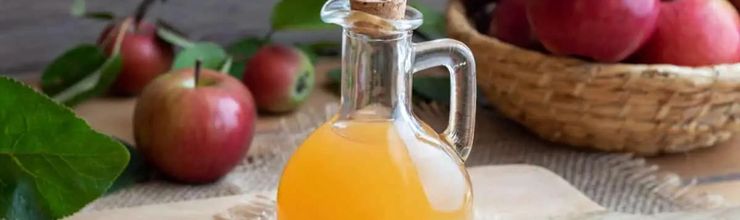
It’s 2 a.m. Your big toe is throbbing so hard the bedsheet feels like a blanket of broken glass. You grab your phone, type “gout home remedy fast relief” into the search bar, and within ten minutes you’re staring at a very specific recipe: half a teaspoon of baking soda in a glass of water, followed by a shot of apple cider vinegar, washed down with tart cherry juice and a lemon.
People swear by this stuff. In gout forums, the baking soda and vinegar combo gets recommended every single day, often by someone describing near-miraculous results. Some of these people end up in the emergency room.
That is not an exaggeration. In 2022, doctors published a case report of a man with gout who landed in the hospital with metabolic alkalosis, his blood pH pushed dangerously high by the baking soda he was drinking to “alkalize his body.” Muscle twitching, tremors, heart rhythm problems. The cure was, briefly, worse than the disease.
So let’s go through the kitchen-remedy lineup one by one, with the actual evidence. Some of these things are harmless. One of them can hurt you. And none of them replaces the treatment that actually works.
Why These Remedies Sound So Convincing
There is a half-truth underneath most of them, which is exactly why they spread.
Uric acid is more soluble in alkaline urine. That is real chemistry. Your kidneys filter uric acid out of your blood and dump it into urine; if the urine is less acidic, more uric acid stays dissolved and leaves your body instead of forming crystals. Doctors use this principle deliberately for people with uric acid kidney stones, prescribing potassium citrate and monitoring urine pH with test strips.
So the logic runs: drink something alkaline, your urine gets less acidic, uric acid flushes out, gout improves. Clean, simple, almost scientific.
It falls apart in three places. Slightly alkalizing your urine barely moves the uric acid level in your blood. The do-it-yourself versions come with side effects the medical version is designed to avoid. And zero major gout guidelines recommend any of them, which is a pretty loud signal.
Baking Soda: The One That Can Put You in the Hospital
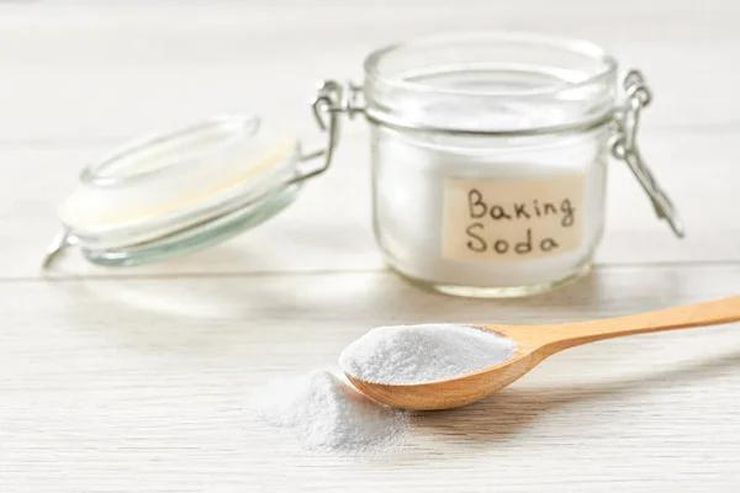
Start with the most popular and the most dangerous: sodium bicarbonate, plain old baking soda.
It does raise urine pH. That part of the pitch is true. But there is not a single published clinical trial showing baking soda prevents gout flares or meaningfully lowers serum uric acid. When doctors alkalize urine, they do it with blood tests, electrolyte checks, and a measured dose of potassium citrate. A spoonful of Arm and Hammer before bed is not the same intervention.
The risks are not theoretical.
Sodium overload. Half a teaspoon of baking soda contains about 630 mg of sodium. Twice a day, that is 1,260 mg of extra sodium, more than half the daily limit for someone with high blood pressure. Gout and hypertension travel together, and blood pressure medication and gout already have a complicated relationship we’ve covered in our piece on blood pressure drugs that trigger gout. Chugging sodium to help your joints while worsening your blood pressure is a bad trade.
Metabolic alkalosis. Your blood is supposed to stay between pH 7.35 and 7.45. Regular bicarbonate use can push it above that range. Case reports in the medical literature document muscle spasms, nausea, confusion, and cardiac arrhythmias severe enough for emergency admission. People with kidney problems are especially vulnerable, and if gout has already stressed your kidneys, the hazard climbs.
Drug interactions. Baking soda changes stomach pH and urine pH, which changes how your body absorbs a long list of medications, including some antibiotics, aspirin, and blood pressure drugs.
The American College of Rheumatology, the European rheumatology body EULAR, and the Australian Rheumatology Association none of them recommend baking soda. Baking soda belongs in your cookies. Not in your gout plan.
Apple Cider Vinegar: Harmless-ish, Useless
The pitch here is the mirror image: vinegar is acidic, and drinking it supposedly pushes your body to counterbalance by becoming alkaline. (It doesn’t work that way. Blood pH is defended within a hair’s width by your lungs and kidneys, and food cannot move it outside that range under normal circumstances.)
No clinical trial indexed in PubMed shows apple cider vinegar lowering uric acid, dissolving crystals, or preventing attacks. A 2025 systematic review published in the Mediterranean Journal of Rheumatology cataloged 27 randomized controlled trials of gout interventions, and vinegar wasn’t in a single one of them. The idea spread through forums, not through research.
Compared with baking soda, vinegar is at least mostly harmless for most people, though undiluted shots can erode tooth enamel and irritate the stomach. If you like it in salad dressing, enjoy it. Just don’t expect your joints to notice.
Lemon Water, Celery Seed, Turmeric: The Weak or Missing Evidence
Lemon water. A few small studies suggest citrus may nudge uric acid down slightly, probably through a mild urine-alkalizing effect from citrate. The effect is small, there is no randomized trial of lemon itself, and it is dwarfed by medication. Lemon water is also water, and hydration itself is one of the few non-drug levers with real support, with research linking higher water intake to roughly 46 percent fewer recurrent flares. So have the lemon water for the water. Our dehydration and gout breakdown explains why that part matters.
Celery seed extract. Lab dishes and rats, mostly. There is no peer-reviewed trial in people with gout, and one small study that saw a modest uric acid dip was in people with metabolic syndrome, not gout. A long way from evidence. The Reddit “three-ingredient protocol” (cherry extract, celery seed, bromelain) has no randomized trial behind it despite the impressive-sounding success rates posted online.
Turmeric and curcumin. Curcumin is anti-inflammatory in the test tube, but the one randomized trial in people with high uric acid found no benefit over placebo. Fine as a spice. Not a treatment.
Alkaline, ionized, or hydrogen-rich water. No peer-reviewed study shows special high-pH water prevents flares. The few small trials were unreliable, and one that reported a benefit was funded by the water company selling the product. Plain tap water gives you the actual benefit, hydration, without the markup.
The “Alkalize Your Body” Trap, Briefly
It is worth naming the bigger idea underneath most of these remedies, because it is everywhere online: the claim that you can and should “alkalize your body” for health.
Your body does not let you change its pH with food or drink. Blood pH is one of the tightest-controlled numbers in physiology, kept between 7.35 and 7.45 by breathing rate and kidney function. If what you ate could swing your blood pH the way these posts claim, you’d be in metabolic crisis. The only way to push your blood pH around with kitchen chemistry is to overdo it with something like bicarbonate, which is how people end up in the ER.
You can change urine pH. You cannot change blood pH. The whole alkaline-health industry quietly relies on people confusing the two.
What Actually Works: The Boring Stuff With Real Evidence
Here is the honest list, ranked by how much it moves the needle.
Urate-lowering medication. This is the heavy machinery. About 90 percent of people with gout are “under-excreters,” meaning their kidneys don’t clear uric acid efficiently, and diet alone lowers uric acid by only about 1 mg/dL. Most people need to get under 6 mg/dL to dissolve crystals and stop flares for good. Allopurinol or febuxostat closes that gap, which is why flares don’t reliably stop until medication brings uric acid down and keeps it there. If you’ve been told your meds aren’t working, the problem is usually dose, adherence, or a missed trigger. We walked through the common reasons in our article on why your gout medication isn’t working.
Water. Free, safe, and linked to about 46 percent fewer recurrent flares in the best available data. Aim for roughly two liters a day, more in hot weather or after exercise.
Weight loss, gradual. Reaching a healthier weight lowers uric acid and flare frequency, and it is one of the few lifestyle moves the ACR guideline explicitly endorses. Slow loss, about a pound a week, matters. Crash diets and fasting spike uric acid and trigger flares.
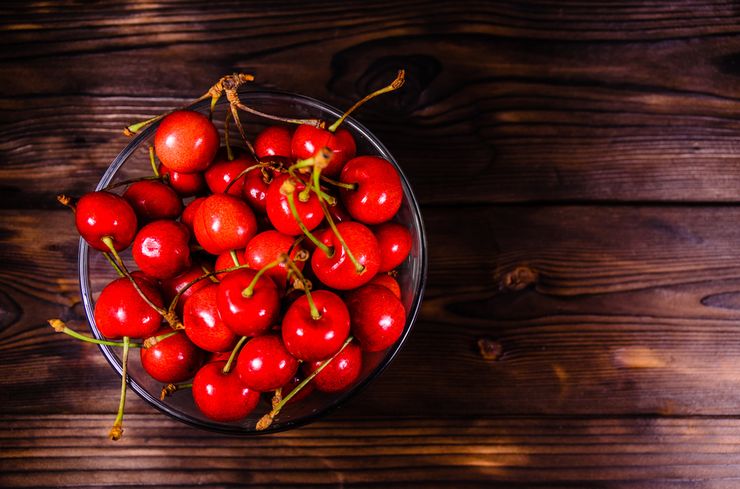
Cherries, as food. The strongest food evidence on the list. One study linked cherry intake to roughly 35 percent fewer recurrent attacks. It’s observational, so call it a bonus on top of medication, not a substitute. We took the cherry claims apart in detail in our cherry juice versus medication comparison.
Coffee and low-fat dairy. Large population studies link both to lower uric acid or lower gout risk. An easy daily win that asks nothing of you.
Cut the proven triggers. Beer and liquor, high-fructose drinks, organ meats, and shellfish during flares. These are the dietary villains the evidence actually convicts.
What to Do at 2 a.m. Instead
If you’re reading this mid-flare, here is the sequence that actually shortens one. Start anti-inflammatory medication as early as possible, within the first 12 to 24 hours if you can: an NSAID such as naproxen or ibuprofen if your stomach and kidneys tolerate them, or colchicine if your doctor has prescribed it (it loses much of its punch after 36 hours). Ice the joint for 15 to 20 minutes at a time with a cloth between the ice and your skin, elevate it above heart level, and drink water. Do not start or stop your urate-lowering medication during a flare, and keep taking it if you’re already on it.
If you can’t take the standard drugs because of kidney disease, that’s a conversation with a rheumatologist, and you may have more options than you think. We looked at that gap in our coverage of gout treatment when your kidneys are failing.
Frequently Asked Questions
Does baking soda actually help gout at all?
No good evidence says so. It raises urine pH, which sounds relevant, but no clinical trial shows it lowers blood uric acid or prevents flares, and it carries real risks: roughly 630 mg of sodium per half teaspoon, blood pressure problems, and documented cases of metabolic alkalosis requiring emergency care. People with kidney disease or hypertension should avoid it unless a doctor specifically directs otherwise.
Is apple cider vinegar safe to try anyway?
It’s mostly harmless for most people, unlike baking soda. Dilute it if you drink it, because straight vinegar erodes tooth enamel and can irritate the stomach. Just understand there is no clinical evidence it affects uric acid or gout. You’d be drinking it for nothing.
What about the Reddit cherry-celery-bromelain protocol everyone recommends?
There’s no randomized trial testing that combination, and the 96 percent success figure circulating online comes from testimonials, not research. Cherries have the best food evidence of anything on the list, but the study data shows fewer flares, not replacement of medication. Celery seed and bromelain are essentially unstudied in gout.
Can lemon water “neutralize” uric acid?
Not directly. Lemon citrate may alkalize urine slightly and small studies show a tiny uric acid nudge, but the effect is minor compared with medication. The bigger benefit is that lemon water is water, and hydration itself is linked to fewer flares. Drink it if you like it, but don’t count on it to control gout.
What’s the fastest thing that actually helps during a flare?
Early medication, not a home remedy. An NSAID or colchicine started within the first 12 to 24 hours knocks most flares down in 3 to 5 days, versus 7 to 14 days untreated. Add ice, elevation, rest, and water. If flares hit more than twice a year, it’s time for urate-lowering therapy, which prevents attacks rather than chasing them.
Do “alkaline” or ionized waters flush out uric acid?
No good evidence. The small trials that claimed benefits were unreliable, and one was funded by the water brand itself. Plain water hydrates you just as well, and hydration is the part that actually helps your kidneys clear uric acid. Save the money.
None of this means home care is pointless. Water, ice, elevation, cherries as a snack, coffee if you drink it, and dropping the beer and soda all genuinely help. But the remedy shelf in your kitchen, the baking soda especially, is not where gout gets controlled. That happens with uric acid measured, medication adjusted, and crystals actually given time to dissolve. The home remedies won’t hurt you if you skip them. One of them might hurt you if you don’t.
References
- Pardali V, et al. “Dietary and lifestyle interventions in gout: a systematic review of randomized controlled trials.” Mediterranean Journal of Rheumatology. 2025. PMC12869332.
- Diaconu G, et al. “Metabolic alkalosis following baking soda use in a patient with gout: a case report.” Experimental and Therapeutic Medicine. 2022;24(3):594. doi:10.3892/etm.2022.11594.
- Xue X, et al. “Comparison of potassium citrate and sodium bicarbonate on urine alkalinization in patients with gout.” Rheumatology. 2021;60(6):2661-2670. doi:10.1093/rheumatology/keaa832.
- FitzGerald JD, Dalbeth N, Mikuls T, et al. “2020 American College of Rheumatology guideline for the management of gout.” Arthritis Care & Research. 2020;72(6):744-760. doi:10.1002/acr.24180.
- Zhang Y, Neogi T, Chen C, Chaisson C, Hunter DJ, Choi HK. “Cherry consumption and decreased risk of recurrent gout attacks.” Arthritis & Rheumatism. 2012;64(12):4004-4011. doi:10.1002/art.34677.
- Stamp LK, et al. “Effect of cherry concentrate on serum urate in people with gout: a randomized controlled trial.” Rheumatology. 2020;59(3):635-641. doi:10.1093/rheumatology/kez366.
- Juraschek SP, Miller ER 3rd, Gelber AC. “Effect of oral vitamin C supplementation on serum uric acid: a meta-analysis of randomized controlled trials.” Arthritis Care & Research. 2011;63(9):1295-1306. doi:10.1002/acr.20519.
- Choi HK, Curhan G. “Coffee, tea, and caffeine consumption and serum uric acid level: the Third National Health and Nutrition Examination Survey.” Arthritis & Rheumatism. 2007;57(5):816-821. doi:10.1002/art.22762.
- Choi HK, Atkinson K, Karlson EW, Willett W, Curhan G. “Purine-rich foods, dairy and protein intake, and the risk of gout in men.” New England Journal of Medicine. 2004;350(11):1093-1103. doi:10.1056/NEJMoa035700.
- Wu L, et al. “Effect of hydrogen-rich water on uric acid and oxidative stress markers: a randomized controlled trial.” Heliyon. 2024;10(15). PMC11385766.
- Bupparenoo N, et al. “Effect of curcumin supplementation on serum uric acid in adults with hyperuricemia: a randomized controlled trial.” Journal of Dietary Supplements. 2021;18(6):664-675. doi:10.1080/19390211.2020.1768337.
Reviewed by the GoutSavvy Editorial Team