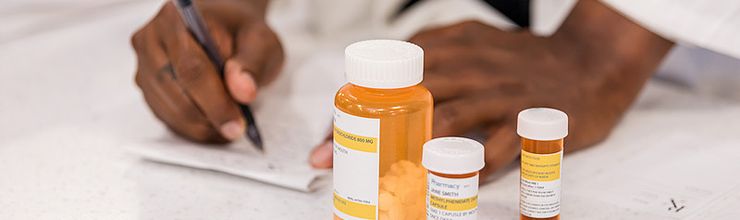
One prescription for a chest infection. Five days in intensive care.
Imagine this. You have taken colchicine on and off for years for gout flare-ups. You come down with bronchitis, and an urgent-care clinic hands you a five-day course of antibiotics. Nothing about the visit feels dangerous. A week later you are in an intensive care unit, your bone marrow barely making blood cells, your kidneys failing, doctors trying to figure out why a reasonably healthy person is collapsing.
This is not a made-up scenario. It is a documented drug interaction, and it has killed people. The scariest part? It happens at ordinary, prescribed doses of both medications.
If you take colchicine for gout, for pericarditis, or for heart protection under the brand name Lodoco, this is the one interaction worth knowing about before your next trip to the pharmacy.
The two drugs that do not mix
The trouble starts with a common antibiotic called clarithromycin (brand name Biaxin). Doctors prescribe it for bronchitis, pneumonia, sinus infections, and as part of the combination treatment for the stomach bacteria H. pylori.
Clarithromycin is fine on its own. Colchicine is fine on its own. Together, they are a different story.
Your body clears colchicine through two exits. The liver breaks it down using an enzyme called CYP3A4, and the intestines and kidneys pump it out using a transporter called P-glycoprotein. Block one exit and the other can usually handle the traffic. Clarithromycin blocks both.
With both exits shut, colchicine piles up in your blood. Case reports document blood levels rising more than twofold, with the drug’s half-life stretching from roughly 9 hours to around 30 hours. A dose your body would normally flush in a day now sits there for days, stacking on top of the next dose. The Food and Drug Administration (FDA) is blunt about the result: life-threatening and fatal reactions have been reported, even when both drugs were taken at their recommended doses.
What the poisoning actually looks like
Here is what makes this interaction so treacherous: the first symptoms look like a stomach bug.
Within the first day or two, people develop nausea, cramping, and relentless watery diarrhea, the same mild stomach upset colchicine itself sometimes causes. Most people assume they caught a virus or that the antibiotic irritated their gut. They keep taking both pills.
Then, between days one and seven, the serious damage shows up. Colchicine hits the body’s fastest-dividing cells hardest. Bone marrow shuts down, so white cells, red cells, and platelets all drop, a condition called pancytopenia. Muscles break down. Kidneys and liver can fail. Heart rhythm problems and respiratory failure can follow. There is no antidote. Treatment is supportive care in a hospital, and not everyone pulls through.
A safety bulletin from Hong Kong’s Department of Health described a 77-year-old woman with gout and mild kidney problems who was given colchicine for a flare along with a clarithromycin-based regimen for H. pylori. Five days later she was admitted with pancytopenia and ended up in intensive care. Reports collected in the FDA’s adverse event database found that toxicity typically starts within five days of beginning clarithromycin, sometimes after a single day, and the doses involved were ordinary ones. Not overdoses.
It is not just clarithromycin
Clarithromycin is the worst offender because it blocks both exits at once, but it is far from the only medication that sends colchicine levels soaring. The FDA label flags several that demand caution:
- Another antibiotic: erythromycin works much like clarithromycin and carries the same risk.
- Antifungal pills: ketoconazole and itraconazole, used for serious fungal infections, are strong blockers of the same pathway.
- Some heart and blood pressure drugs: verapamil and diltiazem (calcium channel blockers), plus cyclosporine, an anti-rejection drug used after transplants.
- Some HIV medications: ritonavir and related antivirals.
- Grapefruit juice: large amounts can inhibit the same enzyme. A wedge in your salad is not the concern. A daily quart of juice is.
For people with kidney or liver impairment, the FDA goes past a warning: combining colchicine with the strongest blockers is contraindicated, meaning it should not happen at all. Gout and kidney disease travel together, which puts a lot of people with both conditions squarely in the danger zone. Our guide to gout and kidney disease explains why that overlap matters so much.
The other combination that destroys muscle: colchicine plus statins
There is a second interaction that flies under the radar because its victims usually blame the wrong drug.

Millions of people take statins such as atorvastatin (Lipitor), simvastatin (Zocor), and rosuvastatin (Crestor) for cholesterol. Statins occasionally cause muscle aches on their own. Colchicine can damage muscle on its own too. Put them together and the risk multiplies. A 2024 analysis of FDA adverse event reports from 2004 through 2023 found hundreds of cases of severe muscle injury with the combination, including rhabdomyolysis, the condition where muscle tissue breaks apart, floods the kidneys with protein, and can trigger kidney failure. Simvastatin and atorvastatin, both processed through that same CYP3A4 pathway, show up most often, and deaths have been documented.
The warning sign is muscle pain, tenderness, or weakness that is new or suddenly worse, often in the calves or lower back, sometimes paired with dark, tea-colored urine. Plenty of patients tell their doctor “my statin is acting up” and leave colchicine off the list. Mention both. If you want the basics on how colchicine fits into flare treatment, our colchicine dosing and side effects guide walks through it.
Why this risk just got bigger
Colchicine used to be mostly a gout drug. That changed in 2023, when the FDA approved a low-dose 0.5 mg colchicine pill (Lodoco) for people with cardiovascular disease. Two large trials found it cut cardiovascular events by roughly 23 to 31 percent in patients with coronary artery disease, and heart guidelines in the U.S. and Europe now recommend it for selected patients.
Do the math. The people getting colchicine for heart protection tend to be older. They often take statins. They occasionally get prescribed antibiotics for chest infections. That is the exact cluster that makes this interaction deadly, and many pick up the prescription from a cardiologist without ever hearing the warnings gout specialists have known for years.
If that describes you or someone in your family, the medication list in your wallet matters more than ever.
What you can actually do
None of this means colchicine is a bad drug. At the right dose it is one of the most useful tools for gout, and the low-dose heart version is well tolerated by most people. It simply has a narrow safety margin, and that margin shrinks fast when another medication interferes.

If you take colchicine in any form, here is the checklist:
- Carry a current medication list, every prescription, over-the-counter drug, and supplement on it. Show it at every doctor visit and every pharmacy counter.
- Before taking any new antibiotic or antifungal, ask the question out loud: “Does this interact with colchicine?” Clarithromycin and erythromycin are the names to watch. If the prescriber does not know you take colchicine, speak up first.
- If clarithromycin or another blocker gets prescribed, do not adjust either drug yourself. Call the doctor who prescribes your colchicine before taking the first dose. The FDA recommends a dose reduction or a temporary pause, and in kidney or liver disease the combination should be avoided outright. A pharmacist can catch this too, but only if both drugs are on the list in front of them.
- Watch for symptoms during the first week of any new medication: severe or persistent vomiting and diarrhea, unusual weakness, bruising or bleeding, numbness or tingling in fingers or toes, confusion, dark urine, or muscle pain out of proportion to anything you did. Head to an emergency department and bring both bottles.
- If you take a statin with colchicine, report new muscle pain or weakness promptly rather than waiting it out. Doctors often favor statins with less interaction potential, but even those require monitoring in people with kidney disease.
- Go easy on grapefruit juice while taking colchicine.
Interactions like this are also a good reason to make sure your gout treatment is set up sensibly, instead of leaning on flare pills forever. If you are reaching for colchicine constantly because attacks keep coming, the guide to why your gout medication isn’t working and the pill-in-pocket prophylaxis approach are worth a read. And when flares do hit, you have options: the NSAID comparison and the prednisone versus colchicine breakdown cover the trade-offs.
The bottom line is simple. Colchicine is a safe drug for most people, right up until the wrong medication lands on top of it. One question at the pharmacy is all it takes to keep that from happening.
Frequently Asked Questions
Can I take clarithromycin with colchicine?
Not without your doctor adjusting the plan. The FDA warns of life-threatening and fatal interactions. If you have kidney or liver problems, the combination is contraindicated. If your organs are healthy, guidelines call for reducing or pausing colchicine under medical supervision, and that call belongs to a clinician, not to you at the kitchen counter.
Which antibiotics are safe with colchicine?
Amoxicillin, doxycycline, and azithromycin are not strong blockers of the pathway that causes this interaction, so they are commonly chosen when someone on colchicine needs an antibiotic. “Commonly chosen” is not a prescription, though. Let the prescriber decide based on the infection and your kidney function.
What are the first signs of colchicine toxicity?
Early signs look like stomach trouble: nausea, vomiting, abdominal cramps, and severe watery diarrhea, usually within a day or two of starting the interacting drug. Later signs include weakness, confusion, numbness in the fingers or toes, easy bruising, muscle pain, and dark urine. If these show up after a new prescription, go to the ER and bring both bottles.
Can colchicine interact with my cholesterol medication?
Yes. Colchicine plus statins, especially simvastatin and atorvastatin, raises the risk of muscle injury and rhabdomyolysis. New muscle pain, weakness, or dark urine warrants a call to your doctor the same day. Fibrates such as gemfibrozil add similar risk.
I take low-dose colchicine for my heart, not gout. Does this still apply to me?
Yes, fully. The interaction is about the molecule, not the diagnosis. Heart patients often also take statins and occasionally need antibiotics, so the 2023 FDA approval of colchicine for cardiovascular use actually put more people within range of this risk, not fewer.
Is grapefruit really a problem with colchicine?
In large amounts, yes. Grapefruit juice inhibits the CYP3A4 enzyme that helps clear colchicine. An occasional serving is unlikely to matter for most people, but regular large glasses while on colchicine are worth skipping. The same caution applies to several other drugs on your list, which is one more reason to keep that medication list current.
References
- U.S. Food and Drug Administration. “MITIGARE (colchicine) Capsules: Highlights of Prescribing Information.” FDA AccessData. accessdata.fda.gov
- U.S. Food and Drug Administration. “Clarithromycin Tablets Prescribing Information.” FDA AccessData. accessdata.fda.gov
- U.S. Food and Drug Administration. “LODOCO (colchicine) Tablets Prescribing Information.” 2023. FDA AccessData. accessdata.fda.gov
- “CYP3A4/P-glycoprotein inhibitors related colchicine toxicity mimicking septic shock.” BMJ Case Reports, 2023. pmc.ncbi.nlm.nih.gov
- Hong Kong Department of Health, Drug Office. “Adverse Drug Reaction Report of Suspected Colchicine Toxicity Associated with Drug Interaction between Colchicine and Clarithromycin.” 2015. drugoffice.gov.hk
- “Muscular toxicity of colchicine combined with statins: a real-world study based on the FDA adverse event reporting system database from 2004–2023.” Frontiers in Pharmacology, 2024. pmc.ncbi.nlm.nih.gov
- “Colchicine and Atherosclerotic Coronary Artery Disease: An Updated Review.” Journal of Clinical Medicine, 2025. pmc.ncbi.nlm.nih.gov
Reviewed by the GoutSavvy Editorial Team