You cut out beer. You stopped eating seafood. You even gave up red meat. And your last blood test? Uric acid barely budged. Sound familiar? You are not alone, and a new study from China might finally explain why.
Most gout diet advice boils down to subtraction: remove this, avoid that, steer clear of the other thing. But what if the problem is not what you are taking away? What if it is what you are not adding?
In June 2026, researchers at Qingdao University published a randomized controlled trial in the journal Nutrients that tested a different approach. Instead of just telling people with gout what to stop eating, they gave them a structured plan focused on what to eat instead. The results were striking. Over just 42 days, the intervention group saw their serum uric acid drop by an average of 112.4 micromoles per liter (roughly 1.9 mg/dL), and the proportion hitting their treatment target jumped from 11.1% to 71.1%.
The control group, which got standard “avoid seafood and alcohol” advice, dropped only 47 micromoles per liter. That is less than half.
So what exactly did the intervention group eat differently? Three changes. That is it. And none of them involve going hungry.
Swap Your Protein, Do Not Delete It
Here is where most people go wrong. They hear “low-purine diet” and interpret it as “low-protein diet.” They cut out meat, then do not replace it with anything. Weeks later, they are losing muscle, feeling run down, and their uric acid is still high.
The Qingdao study did the opposite. Participants were told to eat 1.2 grams of protein per kilogram of ideal body weight every day. The key was where that protein came from. Red meat was swapped for milk, eggs, and other low-purine, high-quality protein sources. The goal was not protein restriction. It was protein replacement.
This matters because muscle loss can indirectly raise uric acid. When your body breaks down muscle tissue, purines are released, and those purines get converted to uric acid. A low-protein diet that causes muscle wasting can make your numbers worse, not better. You end up lighter on the scale but no closer to controlling your gout.
Dairy deserves special mention here. A landmark study published in the New England Journal of Medicine followed 47,150 men for 12 years and found that higher dairy intake was associated with a 44% lower risk of gout. The protective effect was strongest with low-fat dairy. Milk proteins called casein and lactalbumin appear to boost uric acid excretion by the kidneys, and milk also contains orotic acid, which reduces uric acid reabsorption. A separate randomized crossover trial found that drinking skim milk acutely lowered serum urate by about 10% within three hours, while a soy control raised it by 10%.
So the swap is straightforward: instead of a steak, try Greek yogurt. Instead of bacon and eggs every morning, try oatmeal with low-fat milk and a boiled egg on the side. You are not removing protein from your diet. You are replacing a high-purine source with one that may actively help your kidneys clear uric acid.
Keep the Carbs. Seriously.
This one surprises people. The Qingdao diet intentionally kept carbohydrates on the plate. No keto. No extreme low-carb. No “zero carb” challenge.
The researchers specifically noted that people with gout who try ketogenic or very low-carbohydrate diets often end up with higher uric acid, not lower. When your body burns fat for fuel in the absence of carbs, it produces ketones. Those ketones compete with uric acid for excretion by the kidneys. The result? Uric acid gets trapped in your bloodstream. You lose water weight, feel deprived, and your joints keep paying the price.
The study’s approach was balanced: adequate carbohydrates from whole grains and vegetables, enough to prevent ketosis and support sustained, gradual weight loss. Participants in the intervention group lost an average of 1.63 kg (about 3.6 pounds) over 42 days. Their body fat dropped by 2.39 kg, waist circumference shrank by 2.61 cm, and visceral fat area decreased by 12.1 square centimeters.
That last number matters. Visceral fat, the deep belly fat that wraps around your organs, is strongly linked to insulin resistance. And insulin resistance makes your kidneys hold onto uric acid instead of flushing it out. This is why weight loss, particularly loss of visceral fat, often leads to lower uric acid even without medication changes. The DIRECT trial, a large randomized study comparing weight-loss diets, found that a Mediterranean-style diet reduced serum urate by 0.8 mg/dL at six months, and by 2.1 mg/dL among participants who started with hyperuricemia.
You do not need to fear bread. You need to choose the right bread: whole grain, not white. Pair it with vegetables and a quality protein source. The goal is steady energy, not a metabolic crash that triggers ketone production and uric acid retention.
Double Your Vegetables and Kill the Sugar
The most dramatic dietary change in the Qingdao study was vegetable intake. The intervention group went from 272 grams of vegetables per day to 475 grams. That is nearly a pound of vegetables daily, almost double what they were eating before.
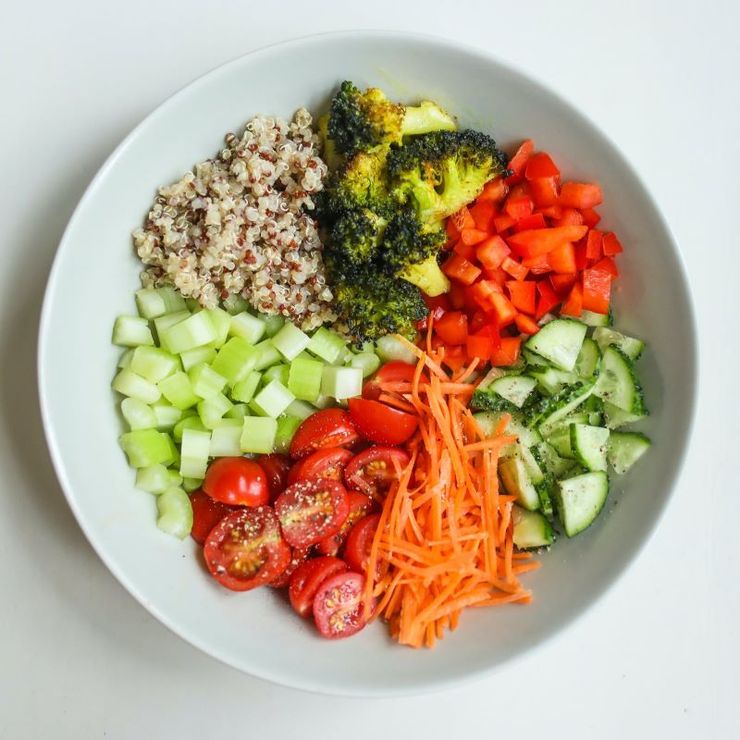
Why does this matter so much? Vegetables are not just low in purines. They contain flavonoids, polyphenols, and saponins, natural plant compounds that research has shown can inhibit xanthine oxidase, the liver enzyme responsible for producing uric acid. This is the same enzyme targeted by urate-lowering medications like febuxostat and dotinurad. Some of these compounds also appear to modulate renal urate transporters, helping your kidneys excrete uric acid more efficiently.
But the vegetable increase was paired with something equally important: strict limits on added sugar, sweetened beverages, and alcohol. This is where the science gets particularly sobering.
A 2025 meta-analysis pooling data from 22 studies and 235,790 participants found that fructose consumption was associated with a 66% increase in gout risk (OR 1.66, 95% CI 1.27 to 2.18). Sugar-sweetened beverages specifically raised the risk of hyperuricemia by 33%. The mechanism is well understood: when your liver metabolizes fructose, it burns through ATP (cellular energy) rapidly. The breakdown products of ATP include adenosine monophosphate, which gets degraded directly into uric acid. A fructose load can raise serum uric acid by 1 to 2 mg/dL within just two hours.
And in August 2026, researchers from Nanjing University and Tsinghua University published a study in Signal Transduction and Targeted Therapy (a Nature journal) showing that fructose can directly damage mitochondria by binding to a protein called TOM22 on the mitochondrial outer membrane, independent of its metabolic breakdown. This was a cellular and mouse study, so the direct human implications are still being worked out. But it adds to a growing picture that fructose is not just empty calories for people with gout. It is an active metabolic disruptor.
Beer remains the worst alcoholic choice for gout because it contains both alcohol and purines. We broke down the science of why beer and game-day food combos trigger flares previously. Spirits come second. Wine appears to carry the lowest risk, though the evidence is mixed and the ACR 2020 guideline recommends limiting all alcohol for people with gout, regardless of type.
What a Day on This Diet Actually Looks Like
The Qingdao study did not publish a day-by-day meal plan, but the principles translate easily into real meals. Here is how to apply the three changes without a nutrition degree:
Breakfast: Oatmeal made with low-fat milk, topped with a handful of berries and a boiled egg. Skip the sweetened instant oatmeal packets. Add cinnamon if you want flavor without sugar. Coffee is fine; multiple studies link moderate coffee intake with lower uric acid levels, possibly through chlorogenic acid and other compounds that inhibit xanthine oxidase.
Lunch: Grilled chicken breast or tofu over a large mixed salad with leafy greens, tomatoes, cucumbers, bell peppers, and a drizzle of olive oil and lemon. Add a side of whole-grain bread or brown rice. The vegetables should take up more plate real estate than the protein.
Snack: Low-fat yogurt, a handful of cherries (tart cherries have the strongest evidence for gout protection, with some studies showing around a 35% reduction in attack risk), or a small handful of unsalted nuts. Cherries contain anthocyanins that may reduce both uric acid production and inflammatory signaling.
Dinner: Baked fish (avoid anchovies, sardines, and mussels; most white fish is moderate in purines and fine in reasonable portions) with roasted vegetables like broccoli, zucchini, and carrots, plus a serving of quinoa or sweet potato. Drink water throughout the meal, not soda or juice.
Beverages: Water should be your default. Aim for 2 to 2.5 liters per day, more if you are active or in a hot climate. Proper hydration supports kidney function and helps dilute uric acid. If you want something with flavor, try sparkling water with a slice of lemon or lime. Avoid sweetened iced tea, energy drinks, and anything with high-fructose corn syrup on the label.
But Here Is the Fine Print
Before you overhaul your kitchen, a few caveats from the study itself and from the broader gout literature.
The Qingdao trial included only 90 men. That is a small sample, and it was conducted at a single center. The results are promising but should be confirmed in larger, more diverse populations, including women, who make up a growing proportion of people with gout. The study also ran for only 42 days. We do not know whether these dietary changes sustain their uric acid-lowering effect over months or years, though the weight loss and visceral fat reduction seen in the intervention group suggest the benefits could persist if the eating pattern is maintained.
Diet alone typically lowers serum uric acid by about 1.0 to 1.9 mg/dL. For someone with uric acid at 9 mg/dL, a 1.9 mg/dL drop brings them to 7.1, still above the ACR target of under 6 mg/dL. For someone with tophaceous gout, the target is under 5 mg/dL. This is why the ACR 2020 guideline states that urate-lowering therapy is first-line for most people with recurrent gout, and diet is recommended as an adjunct, not a replacement.
If you are already taking allopurinol, febuxostat, or dotinurad, do not stop. The Qingdao study participants continued their medications without dose changes. The diet improved results on top of drug therapy, not instead of it. If you are on medication and your numbers are still not at target, talk to your doctor about dose titration. Research shows that only about 12% of people with gout reach their serum uric acid target, a problem we explored in our piece on why gout medication fails so often, often because doses are too low and rarely adjusted.
Finally, individual responses to diet vary. Your gout subtype matters. Research from the same Qingdao University group found that people with the uric acid underexcretion subtype (about 60% to 70% of cases) tend to respond better to dietary changes than those with the overproduction subtype. A 24-hour urine uric acid test can help your doctor figure out which category you fall into.
Frequently Asked Questions
How fast can diet lower my uric acid?
The Qingdao study saw measurable changes within 42 days. Some acute effects, like the uric acid spike after a fructose load or the drop after drinking skim milk, happen within hours. But meaningful, sustained reductions typically take 4 to 8 weeks of consistent dietary change. Do not expect a single salad to fix a decade of elevated uric acid.
Can I drink alcohol at all?
The ACR 2020 guideline recommends limiting alcohol for all people with gout. Beer carries the highest risk because it combines alcohol with purines. Wine appears less risky in some studies, but evidence is inconsistent. If you choose to drink, keep it occasional and moderate, and do not use alcohol as a reason to skip your medication.
Are all vegetables safe for gout?
Yes. Earlier concerns about high-purine vegetables like spinach, asparagus, and mushrooms have not held up in clinical research. The purines in plant foods appear to be less bioavailable than purines from meat and seafood, and large cohort studies have not linked vegetable purine intake to increased gout risk. Eat them freely.
Do I need to cut out fruit because of fructose?
No. Whole fruit contains fiber, vitamins, and antioxidants, and the fructose dose in a piece of fruit is modest compared with a soda. The 2025 meta-analysis found that fruit juice showed a weaker and inconsistent association with gout risk compared with sugar-sweetened beverages. The problem is added fructose in processed foods and drinks, not the natural sugar in an apple. Tart cherries may actually help.
Is coffee good or bad for gout?
Multiple long-term studies link moderate coffee consumption (3 to 5 cups per day) with lower serum uric acid and lower gout risk. Coffee contains chlorogenic acid and other compounds that may inhibit xanthine oxidase and improve insulin sensitivity. If you already drink coffee, there is no reason to stop. If you do not, there is no need to start drinking it solely for gout.
Can weight loss make my gout go away?
Weight loss can significantly lower uric acid and reduce flare frequency, especially when visceral fat is reduced. But “make it go away permanently” is the wrong expectation. Gout is a chronic condition driven by both genetics and metabolism. Even at a healthy weight, some people need medication to keep uric acid below target. Think of diet and weight management as powerful tools, not magic bullets.
References
- Zhao T, Li S, Wu R, et al. “Efficacy of a Low-Purine, Energy-Restricted and Balanced Diet on Hyperuricemia and Metabolic Profiles in Gout Patients: A Randomized Controlled Trial.” Nutrients. 2026;18(13):2047. doi:10.3390/nu18132047.
- Choi HK, Atkinson K, Karlson EW, Willett WC, Curhan G. “Purine-Rich Foods, Dairy and Protein Intake, and the Risk of Gout in Men.” New England Journal of Medicine. 2004;350(11):1093-1103.
- Dalbeth N, Wong S, Gamble GD, et al. “Acute Effect of Milk on Serum Urate Concentrations: A Randomised Controlled Crossover Trial.” Annals of the Rheumatic Diseases. 2010;69(9):1677-1682. doi:10.1136/ard.2009.124230.
- Bai S, et al. “Sugar-Sweetened Beverages and the Risk of Hyperuricemia and Gout: A Meta-Analysis.” PMC. 2025;22 studies, 235,790 participants. PROSPERO CRD420241040227.
- Wu W, Wang W, Zhang J, et al. “Fructose Directly Remodels the Translocase of the Outer Membrane to Impair Oxidative Phosphorylation in Podocytes.” Signal Transduction and Targeted Therapy. 2026;11:332. doi:10.1038/s41392-026-02896-x.
- Yokose C, Rai S, Lu N, et al. “The Effects of a Low-Fat, Mediterranean, or Low-Carbohydrate Diet on Serum Urate.” ACR/ARP Annual Meeting. 2019; Abstract 902.
- Zhang Y, Chen S, Rao M, et al. “Effect of Low-Purine Diet on the Serum Uric Acid of Gout Patients in Different Clinical Subtypes: A Prospective Cohort Study.” PMC. 2024;PMC11370010.
- FitzGerald JD, Dalbeth N, Mikuls T, et al. “2020 American College of Rheumatology Guideline for the Management of Gout.” Arthritis & Rheumatology. 2020;72(6):879-895.
Reviewed by the GoutSavvy Editorial Team