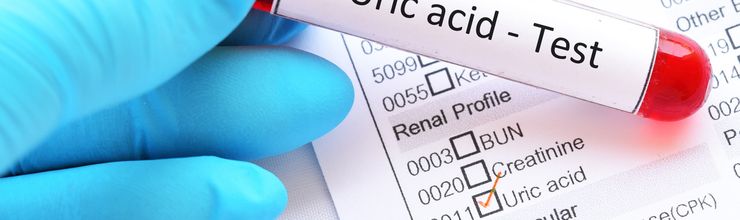
You take your pill every morning. You watch what you eat. You skip the beer. Yet your uric acid still hovers above 7 mg/dL, and the flares keep coming. You are not alone, and it is not your fault.
A study published in August 2026 in the British Journal of General Practice tracked nearly 95,000 people with gout over more than five years. The number that jumped out? Only 12.4% of patients on urate-lowering therapy actually hit their target serum urate level. Let that sink in. Roughly 8 out of 9 people taking gout medication are not getting the result the medication is supposed to deliver.
Worse, the researchers found no improvement over the past decade. If anything, the numbers have stayed flat while prescriptions have gone up. So what is going wrong, and what can you actually do about it?
The 94,759-Person Study That Should Change How You Think About Gout Treatment
The research team pulled electronic medical records from primary care practices across the UK. They identified 94,759 adults diagnosed with gout and followed them for a median of 5.4 years. The findings painted a grim picture:
37% did not receive any urate-lowering therapy at all. That means more than a third of people with a confirmed gout diagnosis were just told to tough it out or change their diet, with no medication to address the underlying problem.
Among those who did get medication, allopurinol was the first choice 96% of the time. That makes sense. Allopurinol is cheap, effective for most people, and has been around for decades. But here is the catch: among the 84,288 patients who had at least one serum urate measurement, only 12.4% consistently reached the target of under 6 mg/dL.

The study also found that nearly 16% of patients who started urate-lowering therapy stopped taking it within 25 days. Not because the drug failed, but because they quit before it had a chance to work. That window matters. Starting allopurinol can temporarily trigger flares as crystals begin to dissolve, and some people interpret that as a reason to stop rather than push through with their doctor’s guidance.
The authors concluded that early initiation, proper dose titration, and improved adherence are the three modifiable factors that matter most. Translation: the drugs work, but the way they are prescribed and taken is broken.
Reason #1: Your Dose Is Too Low and Nobody Bumps It Up
This is the single biggest issue. Allopurinol typically starts at 100 mg per day. For many people, especially those with kidney impairment, that starting dose is appropriate. But it is a starting point, not a destination.
The target is a serum urate below 6 mg/dL (360 micromol/L). If you have tophi or frequent flares, the target drops to below 5 mg/dL (300 micromol/L). A dose of 100 mg or even 200 mg of allopurinol rarely gets most people there. The dose needs to be increased every 2 to 5 weeks based on blood test results until the target is reached. Some people need 400 mg, 600 mg, or occasionally more.
But the BJGP study found that dose escalation simply was not happening in primary care. Patients were started on a low dose, left on that dose, and not retested or adjusted. If your doctor has not increased your allopurinol in over a year and your uric acid is still above target, that is a problem worth raising at your next visit.
Kidney function changes the math but does not make titration impossible. The old rule about capping allopurinol at low doses in chronic kidney disease has been largely debunked. You can read more about that in our piece on what changes when kidneys fail, but the short version is this: kidney disease requires slower, more careful titration, not abandonment of treatment altogether.
Reason #2: You Stopped Because of a Flare (and Nobody Warned You)
Here is a scenario that plays out in doctors’ offices every week. A patient gets diagnosed with gout. The doctor prescribes allopurinol. Two weeks later, the patient has a massive flare. They assume the drug made things worse and flush the pills down the toilet.
This is called a mobilization flare, and it is predictable. When urate-lowering therapy starts dissolving crystal deposits, the crystals can shift and trigger inflammation before they fully clear. It does not mean the medication is failing. It means it is working. Guidelines recommend taking a low-dose anti-inflammatory, such as colchicine or an NSAID, for the first 3 to 6 months of urate-lowering therapy to prevent these flares.
The BJGP data showed that short treatment duration of 25 days or less occurred in nearly 16% of patients. That lines up almost perfectly with the mobilization-flare timeline. People start, flare, stop, and do not look back. If this sounds familiar, talk to your doctor about restarting with flare prophylaxis on board.
Reason #3: The Drug You Are On Is Not the Right One for You
Allopurinol works for most people with gout, but not everyone. Some people cannot tolerate it due to side effects. Others have a genetic variant called HLA-B*5801 that increases the risk of a severe skin reaction. And some people simply do not respond adequately even at high doses.
Febuxostat (brand name Uloric) is the main alternative. It lowers uric acid through the same pathway as allopurinol, by blocking xanthine oxidase, but it is metabolized differently and can be useful when allopurinol fails or is not tolerated. We compared the two in detail in our article on allopurinol versus febuxostat.
There are also uricosuric drugs that work on a completely different mechanism. Instead of reducing uric acid production, they help your kidneys flush more of it out. Probenecid is the older option. Dotinurad is a newer selective urate reabsorption inhibitor that has shown strong results. For refractory cases, pegloticase (Krystexxa) is an intravenous infusion that can dissolve tophi when nothing else works. The recently published NASP DISSOLVE data showed that a monthly infusion can produce dramatic responses even in people who failed every other option.
The point is: if allopurinol is not getting you to target, you have options. Sitting on a subtherapeutic dose for years is not one of them.
Reason #4: Your Other Medications Are Working Against You
Thiazide diuretics, commonly prescribed for high blood pressure, raise serum uric acid by reducing renal urate excretion. Loop diuretics like furosemide do the same. If you are taking allopurinol 300 mg daily and hydrochlorothiazide 25 mg daily, you may be running on a treadmill. The diuretic pushes uric acid up while the allopurinol tries to push it down.
This does not mean you should stop your blood pressure medication. It means your doctor should know about the interaction and either adjust the diuretic, switch to a urate-friendly alternative like losartan, or increase the allopurinol dose to compensate. We covered this in depth in our article about blood pressure pills and gout.
Low-dose aspirin can also raise uric acid slightly, though the cardiovascular benefit usually outweighs the gout risk. Niacin, cyclosporine, and some chemotherapy drugs can do it too. Bring your full medication list to your rheumatology visit, not just your gout prescription.
Reason #5: You Are Not Being Tested Enough
How do you know if your dose is working? You get your blood tested. The BJGP study found that 11% of patients with gout did not have a single serum urate measurement after diagnosis. No blood test, no adjustment, no way to know if the treatment was succeeding.
Current guidelines recommend checking serum urate every 2 to 5 weeks during dose titration, then every 6 to 12 months once the target is achieved. If you have been on the same dose of allopurinol for two years and cannot remember your last uric acid number, you are overdue.
Understand what the numbers mean. Above 6.8 mg/dL is the saturation point where crystals can form. Below 6 mg/dL is the standard target. Below 5 mg/dL is the more aggressive target if you have visible tophi or frequent attacks. We broke down what each range means in our uric acid numbers explained guide.
What You Can Do This Week
None of this requires waiting for a breakthrough drug or a new clinical trial. You can take concrete steps now:
Get a blood test. If you have not had your serum urate checked in the last six months, schedule one. You cannot manage what you do not measure.
Ask about dose titration. If your uric acid is above 6 mg/dL and you have been on the same allopurinol dose for months, ask your doctor whether increasing it is appropriate. The answer should involve a specific titration plan, not a vague “let’s wait and see.”
Ask about flare prophylaxis. If you are starting or restarting urate-lowering therapy, ask whether colchicine or an NSAID should be added for the first few months to prevent mobilization flares.
Review every medication. Bring a complete list to your appointment and ask whether any of them might be raising your uric acid. A simple switch from a thiazide diuretic to losartan can make a measurable difference.
Do not stop cold turkey. If you flare after starting or increasing urate-lowering medication, contact your doctor before stopping. A short course of anti-inflammatory treatment is usually enough to get through it.
The Bottom Line
Gout is one of the most treatable forms of chronic arthritis. The medications work. The targets are clear. The reason 88% of patients miss the target is not a failure of pharmacology. It is a failure of process: underdosing, insufficient monitoring, premature discontinuation, and drug interactions that go unaddressed.
You can change that by being the kind of patient who asks for the blood test, questions the unchanged dose, and refuses to accept “your numbers are fine” when they are not even below 7. Your joints are worth the effort. And the science is on your side.
Frequently Asked Questions
Q: What is a good uric acid level for someone with gout?
A: The standard target is below 6 mg/dL (360 micromol/L). If you have tophi or frequent flares, your doctor may aim for below 5 mg/dL (300 micromol/L). Above 6.8 mg/dL, uric acid can start forming crystals in joints.
Q: Why did my gout get worse after I started allopurinol?
A: Starting or increasing urate-lowering medication can trigger a mobilization flare as existing crystals begin to dissolve and shift. This is normal and temporary. Doctors often prescribe colchicine or an NSAID for the first 3 to 6 months to prevent this.
Q: Can I just take allopurinol during a flare and stop when it feels better?
A: No. Urate-lowering therapy is a long-term treatment. If you already take it daily, keep taking it during a flare. Stopping and restarting can actually make flares more frequent. Acute pain is managed separately with anti-inflammatory medication.
Q: What if allopurinol does not work for me?
A: Options include febuxostat, uricosuric drugs like probenecid or dotinurad, and for severe refractory cases, intravenous pegloticase. Ask for a referral to a rheumatologist if your primary care doctor has not explored alternatives.
Q: How often should I get my uric acid tested?
A: Every 2 to 5 weeks while your dose is being adjusted, then every 6 to 12 months once you reach target. If you have not been tested in over a year, schedule one now.
Q: Do blood pressure medications affect gout?
A: Thiazide diuretics and loop diuretics can raise uric acid. Losartan, an angiotensin receptor blocker, has a mild uricosuric effect and may be a better choice for some people with gout and hypertension. Do not stop any medication without talking to your doctor.
References
- Martillo M, et al. “Management and long-term serum urate control in gout: a population-based primary care cohort study.” British Journal of General Practice, vol. 76, no. 769, 2026, pp. e624-e632.
- FitzGerald JD, et al. “2020 American College of Rheumatology Guideline for the Management of Gout.” Arthritis & Rheumatology, vol. 72, no. 6, 2020, pp. 879-895.
- Stamp LK, et al. “Allopurinol dose escalation in gout: a randomized controlled trial.” Annals of the Rheumatic Diseases, vol. 77, no. 2, 2018, pp. 224-230.
- Neogi T, et al. “2015 Gout Classification Criteria: an American College of Rheumatology/European League Against Rheumatism collaborative initiative.” Arthritis & Rheumatology, vol. 67, no. 10, 2015, pp. 2551-2561.
- Khanna PP, et al. “Cost-effectiveness of allopurinol dose escalation for achieving target serum urate in gout.” Journal of Rheumatology, vol. 46, no. 3, 2019, pp. 298-305.
- Yokose C, et al. “Urate-lowering therapy for gout: an updated systematic review.” Journal of Clinical Rheumatology, vol. 28, no. 4, 2022, pp. e442-e450.
- Li X, et al. “Effects of antihypertensive drugs on serum uric acid: a systematic review and network meta-analysis.” Journal of Hypertension, vol. 39, no. 1, 2021, pp. 24-34.
Reviewed by the GoutSavvy Editorial Team