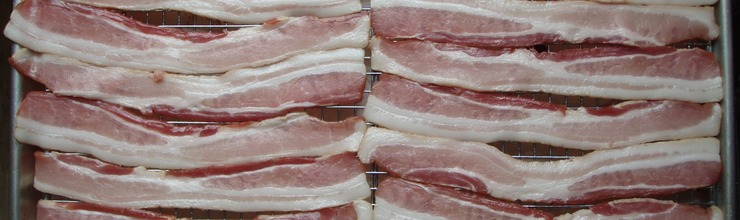
The Bacon-Gout Connection Nobody Told You About
You already know alcohol and seafood can trigger gout. But what if the bacon on your breakfast plate, the ham in your sandwich, or the hot dogs at your weekend cookout were quietly raising your gout risk in a way that has nothing to do with purines?
A massive new study from the UK Biobank, published in the Journal of Advanced Research in July 2026, tracked nearly 400,000 people for over 15 years. The finding that surprised even the researchers: processed meat ranked as the single most influential behavioral factor for developing gout, beating out alcohol, smoking, and sleep patterns.
Not red meat. Not organ meat. Processed meat.
What the Study Actually Found
Researchers from the Second Hospital of Jilin University and Queen Mary University of London followed 395,356 adults who started without gout. Over an average of 15.7 years, 8,215 of them developed the condition. The team then used machine learning to rank every behavioral and lifestyle factor by how strongly it predicted who would get gout.
Processed meat came out on top across all four algorithms they tested.
Here is what the numbers showed after adjusting for income, education, smoking, alcohol intake, physical activity, body weight, kidney function, and even red meat consumption separately:
- People who ate the most processed meat had 19% higher odds of developing gout compared to those who rarely touched it (HR 1.19).
- Moderate consumers still faced 12% higher odds (HR 1.12).
- When researchers tracked changing diets over time rather than a single snapshot, the risk jumped to 84% higher for heavy consumers (HR 1.84).
That last number matters. It means the longer you eat processed meat, the worse the risk gets. A single questionnaire might miss years of cumulative damage.
Why Processed Meat Hits Harder Than Fresh Meat
You might wonder: is not all meat bad for gout? Is not it all about purines?
Not exactly. The study separated processed meat from red meat in its analysis, and processed meat still came out as an independent risk factor. That means something beyond purine content is at work.
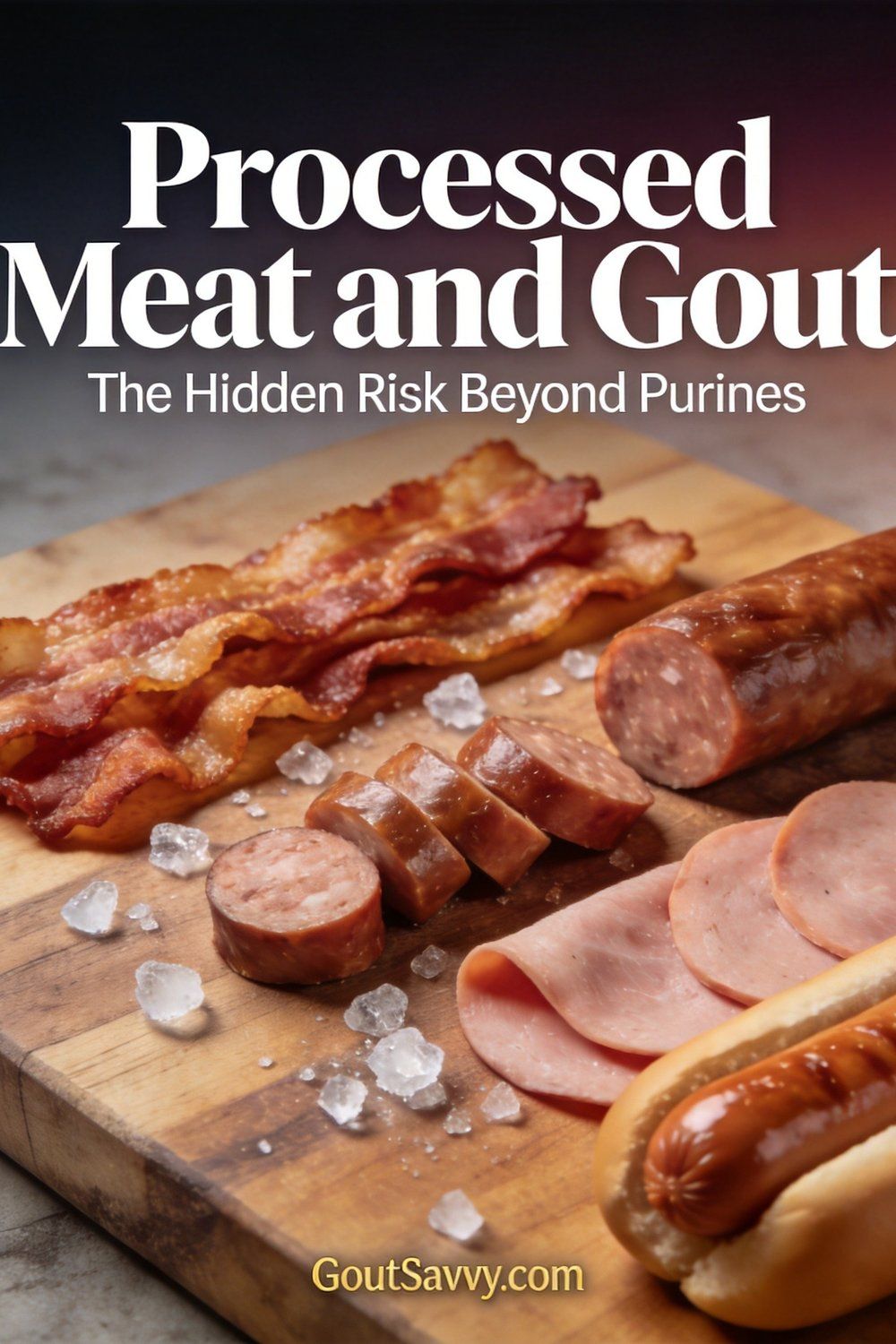
Processed meats like bacon, sausage, ham, hot dogs, and deli slices contain compounds you will not find in a fresh steak:
- Nitrites and nitrates added for preservation and color. These can form nitrosamines, compounds linked to inflammation and metabolic disruption.
- High sodium levels that strain kidney function. Your kidneys handle about 70% of uric acid removal, so anything that compromises kidney efficiency can let uric acid accumulate.
- Saturated fats and advanced glycation end products formed during curing, smoking, and high-heat processing. These promote chronic, low-grade inflammation throughout the body.
The research team went deeper. In a subgroup of about 41,000 participants, they measured nearly 3,000 plasma proteins and identified 40 that were simultaneously linked to both high processed meat intake and future gout. These proteins clustered in pathways governing fatty acid metabolism, insulin signaling, and even pain-related nerve signaling.
One standout was CGRP (calcitonin gene-related peptide), a neuropeptide involved in both pain transmission and inflammation. This suggests processed meat might be priming your nervous system and immune response for gout flares long before the first attack.
None of this means purines do not matter. The mediation analysis confirmed that uric acid still carried the largest share of the processed meat effect. But a small but real portion of the risk came through inflammatory and metabolic pathways that have nothing to do with uric acid levels.
Who Gets Hit the Hardest
One of the most striking findings was about inequality. People with lower socioeconomic status developed gout more often than wealthier participants, even at the same level of processed meat consumption (HR 1.13 for low versus high status).
The researchers argue this reflects a convergence of factors: chronic stress, delayed diagnosis, poorer management of conditions like diabetes and hypertension, and reduced access to healthcare. All of these appear to lower the biological threshold at which gout strikes.
If you have been putting off seeing a doctor about joint pain, or if you have other metabolic conditions like high blood pressure or prediabetes, processed meat might be the tipping point your body cannot absorb.
What Counts as Processed Meat?
The World Health Organization classifies processed meat as any meat that has been transformed through salting, curing, fermentation, smoking, or other processes to enhance flavor or improve preservation. This includes:
- Bacon, ham, and deli meats (turkey, chicken, roast beef slices)
- Sausages and hot dogs
- Pepperoni, salami, and other cured meats
- Canned meat products
- Smoked or dried meat jerky
Fresh chicken breast, a plain steak, or a piece of fresh fish are not processed meat. The processing itself, not just the animal source, appears to be part of the problem.
Practical Steps If You Have Gout
You do not need to go vegetarian. But if gout is part of your life, here is what the evidence suggests:
Swap processed for fresh. Instead of bacon and eggs, try eggs with fresh vegetables. Instead of a deli meat sandwich, use leftover roasted chicken. The study showed that even moderate processed meat intake raised gout risk, so any reduction helps.
Watch the sodium. Processed meats are loaded with salt. High sodium intake strains your kidneys, which are already working overtime to clear uric acid. Drinking plenty of water helps, but it cannot fully compensate for a high-sodium diet.
Keep taking your medication. The study confirmed that uric acid remains the central driver of gout. If your doctor prescribed allopurinol or febuxostat (brand name Uloric), that is still your most powerful tool. Cutting processed meat is a meaningful addition, not a replacement for medication.
Read the label. If the ingredients list includes sodium nitrite, sodium erythorbate, or “mechanically separated” anything, that is processed meat. Even products labeled “natural” or “uncured” often use celery powder, which contains naturally occurring nitrates and may carry similar risks. The simplest rule: if it comes in a sealed package and lasts for weeks without refrigeration, it is probably processed.
Check your overall lifestyle. The study found that an unhealthy lifestyle (combining smoking, alcohol, poor sleep, inactivity, and poor diet) independently raised gout risk by 33%. Processed meat was the strongest single factor, but the combination of habits matters too.
If you want a deeper dive into which foods help and which to avoid, our complete gout food guide breaks down the evidence by category. You might also be surprised by how cooking methods change purine levels in the foods you eat, and why fructose in sugary drinks might be doing more damage than the meat on your plate.
FAQ
Is processed meat worse than red meat for gout?
This study suggests yes. Even after adjusting for red meat intake separately, processed meat remained an independent risk factor. The curing, smoking, and preservatives added during processing appear to add risk beyond the purine content of the meat itself.
How much processed meat is safe with gout?
The study did not establish a specific safe threshold. However, people who rarely consumed processed meat had the lowest gout risk. If you currently eat processed meat daily, cutting back to once or twice a week would likely reduce your risk based on the dose-response relationship observed.
Does chicken sausage count as processed meat?
Yes. Any sausage, regardless of the meat source, is processed. Chicken sausage may be lower in saturated fat than pork sausage, but it still contains sodium, preservatives, and other additives that the study identified as problematic. Fresh chicken breast is a better choice than any sausage.
Can cutting out processed meat cure my gout?
No. Diet changes alone cannot cure gout. The study confirmed that uric acid remains the central mechanism. If you have repeated flares, you likely need urate-lowering medication prescribed by a doctor. Reducing processed meat is a supportive measure, not a standalone treatment.
Why did lower-income people have higher gout risk in the study?
The researchers attributed this to a combination of chronic stress, delayed medical care, poorer management of coexisting conditions like diabetes and hypertension, and limited healthcare access. Processed meat is also often cheaper and more accessible than fresh alternatives, creating a dietary pattern that reinforces gout risk.
References
- Wang X, Shi Y, Pan Z, et al. Processed meat intake and incident gout: integrated evidence from epidemiology, plasma proteomics, and machine learning. Journal of Advanced Research. 2026. Accepted July 2, 2026. (Pre-proof)
- Choi HK, Atkinson K, Karlson EW, Willett W, Curhan G. Purine-rich foods, dairy and protein intake, and the risk of gout in men. New England Journal of Medicine. 2004;350(11):1093-1103. PubMed
- International Agency for Research on Cancer. Red meat and processed meat. IARC Monographs on the Evaluation of Carcinogenic Risks to Humans. Volume 114. Lyon, France: WHO; 2018.
- FitzGerald JD, Dalbeth N, Mikuls T, et al. 2020 American College of Rheumatology Guideline for the Management of Gout. Arthritis & Rheumatology. 2020;72(6):879-895. PubMed
- Roddy E, Choi HK. Epidemiology of gout. Rheumatic Disease Clinics of North America. 2014;40(2):155-170. PubMed
- Micha R, Michas G, Mozaffarian D. Unprocessed red and processed meats and risk of coronary artery disease and type 2 diabetes. Current Atherosclerosis Reports. 2012;14(6):515-524. PubMed
Reviewed by the GoutSavvy Editorial Team