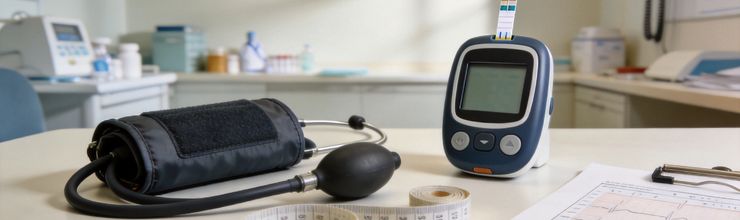
Think of uric acid as more than just the molecule that causes gout, it’s a metabolic warning signal. When uric acid levels rise, they often signal the beginning of a cascade of health problems that extend far beyond painful joints. Understanding this connection is crucial for protecting your long-term health.
This guide explores the intricate relationships between elevated uric acid, hypertension, dyslipidemia, and blood sugar abnormalities, what doctors call metabolic syndrome when these conditions cluster together.
What Exactly Is Metabolic Syndrome?
Metabolic syndrome isn’t a single disease, it’s a cluster of interrelated metabolic abnormalities that significantly increase your risk of cardiovascular disease, type 2 diabetes, and premature death. According to the International Diabetes Federation, approximately 25% of the global adult population meets criteria for metabolic syndrome.
You meet diagnostic criteria if you have three or more of these five conditions:
- Central obesity: Waist circumference ≥ 40 inches (men) or ≥ 35 inches (women)
- Elevated triglycerides: ≥ 150 mg/dL
- Low high-density lipoprotein (HDL) cholesterol: < 40 mg/dL (men) or < 50 mg/dL (women)
- Hypertension: Blood pressure ≥ 130/85 mmHg
- Elevated fasting glucose: ≥ 100 mg/dL
Hyperuricemia (high uric acid levels) isn’t officially part of the diagnostic criteria, yet. But mounting evidence suggests it belongs there, as it frequently precedes and predicts the development of metabolic syndrome components.
The Uric Acid-Metabolic Connection: What the Research Shows
Large-Scale Evidence
A landmark 9-year study following 2,690 Chinese adults provides compelling data:
- Subjects with the highest uric acid levels had 3.3 times greater risk of developing type 2 diabetes compared to those with the lowest levels
- Each 1 mg/dL increase in uric acid raised diabetes risk by 17%
- The association persisted after adjusting for age, sex, body mass index, and other risk factors
A separate study of 3,720 participants at Beijing Institute of Technology found:
- 42% of hyperuricemic men had hypertension (vs. much lower rates in normal uric acid groups)
- 65% of hyperuricemic participants had hyperlipidemia
- Strong statistical correlations between uric acid and cholesterol/triglyceride levels
- Men significantly more affected than women, but the pattern held for both sexes
How Elevated Uric Acid Damages Your Health
1. The Insulin Resistance Connection
Insulin resistance sits at the center of metabolic dysfunction. When your cells become resistant to insulin, your pancreas produces more and more insulin to compensate. This hyperinsulinemia has far-reaching consequences:
Effects on uric acid:
- Insulin stimulates renal sodium reabsorption, which simultaneously decreases uric acid excretion
- Elevated insulin shifts purine metabolism toward increased uric acid production
- Result: Higher circulating uric acid levels
Effects on lipids:
- Insulin activates hormone-sensitive lipase in fat cells, releasing fatty acids into the bloodstream
- The liver converts excess fatty acids to triglycerides
- Insulin inhibits lipoprotein lipase, reducing triglyceride clearance
Effects on blood pressure:
- Insulin causes sodium retention in kidneys
- Hyperinsulinemia stimulates sympathetic nervous system activity
- Insulin growth factor effects promote vascular smooth muscle proliferation
2. Endothelial Dysfunction
Your endothelium, the inner lining of your blood vessels, is a crucial regulator of vascular health. Uric acid directly damages endothelial function through several mechanisms:
- Reduces nitric oxide (NO) bioavailability: NO is essential for blood vessel dilation
- Promotes oxidative stress: Uric acid generates reactive oxygen species
- Induces inflammation: Activates vascular inflammatory pathways
- Stimulates vascular smooth muscle proliferation: Contributes to arterial stiffening
The result? Arteries that can’t dilate properly, elevated blood pressure, and accelerated atherosclerosis.
3. Xanthine Oxidase and Oxidative Stress
The enzyme that produces uric acid (xanthine oxidase) simultaneously generates hydrogen peroxide and superoxide radicals. This oxidative stress:
- Oxidizes low-density lipoprotein (LDL) cholesterol, making it more atherogenic
- Damages pancreatic beta cells, impairing insulin secretion
- Injures blood vessel walls, promoting plaque formation
- Promotes systemic inflammation throughout the body
4. Direct Effects on Individual Conditions
Hypertension
Epidemiological studies consistently show that hyperuricemia predicts hypertension development. Proposed mechanisms include:
- Renal vasoconstriction from endothelial dysfunction
- Activation of the renin-angiotensin system
- Increased vascular smooth muscle cell proliferation
- Direct effects on vascular tone
Diabetes Risk
Elevated uric acid increases diabetes risk through:
- Impaired pancreatic beta cell function and survival
- Promotion of insulin resistance
- Induction of oxidative stress in insulin-sensitive tissues
- Chronic inflammation interfering with insulin signaling
Kidney Disease
The kidney-uric acid relationship is bidirectional:
- Kidney impairment reduces uric acid excretion, raising levels
- Elevated uric acid causes kidney arteriolosclerosis and interstitial fibrosis
- This creates a vicious cycle of progressive kidney dysfunction
The Domino Effect: How One Condition Triggers Another
Metabolic syndrome conditions don’t coexist randomly, they reinforce each other in predictable patterns:
The Typical Progression:
- Weight gain and central obesity develop from excess calorie intake
- Insulin resistance emerges as fat accumulates in liver and muscle
- Hyperinsulinemia raises both blood pressure and reduces uric acid excretion
- Elevated uric acid causes endothelial dysfunction and promotes inflammation
- Dyslipidemia develops as insulin resistance disrupts fat metabolism
- Hypertension develops from endothelial dysfunction and sodium retention
- Impaired glucose tolerance develops as insulin resistance worsens
- Type 2 diabetes emerges when beta cells can no longer compensate
Uric acid elevation often appears early in this sequence, sometimes years before other metabolic abnormalities manifest. This makes it a potentially useful early warning marker.
Age, Sex, and Genetic Factors
Gender Differences
Men develop hyperuricemia and metabolic syndrome at significantly higher rates than women until menopause. Estrogen appears protective because it:
- Enhances renal uric acid excretion
- Improves insulin sensitivity
- Modulates lipid metabolism beneficially
After menopause, women’s uric acid levels and metabolic syndrome risk rise substantially, approaching men’s rates.
Age Factors
Gout and metabolic syndrome prevalence increase with age:
- The 40-55 age range represents peak gout incidence
- Prevalence continues rising in older adults
- Younger patients with gout often have more severe metabolic dysfunction
- Adolescent hyperuricemia strongly predicts adult metabolic syndrome
Genetic Predisposition
Up to 60-70% of people with gout are obese, and among those under 40, 85% are overweight. These aren’t coincidences, they reflect shared genetic susceptibility to:
- Impaired purine metabolism
- Altered lipid processing
- Insulin resistance
- Adipokine dysregulation
Practical Prevention and Management
The Foundation: Lifestyle Modification
No medication replaces the metabolic benefits of healthy lifestyle. These interventions address all components of metabolic syndrome simultaneously:
Dietary Changes
Mediterranean-style eating pattern:
- Emphasis on vegetables, fruits, whole grains, legumes
- Olive oil as primary fat source
- Fish and poultry more than red meat
- Limited processed foods and added sugars
Specific recommendations for uric acid:
- Limit purine-rich foods (shellfish, organ meats, game meats)
- Avoid high-fructose corn syrup and excessive fruit juices
- Moderate alcohol intake, especially beer
- Increase low-fat dairy consumption (proven to lower uric acid)
Physical Activity
Exercise benefits every aspect of metabolic syndrome:
- 150 minutes weekly moderate aerobic activity (brisk walking, cycling, swimming)
- 2 days weekly resistance training
- Even modest increases in activity significantly improve insulin sensitivity
- Gradual progression important, sudden intense exercise can trigger gout flares
Weight Loss
Modest weight loss (5-10% of body weight) produces dramatic improvements:
- Reduces uric acid by 1-2 mg/dL for every 10 lbs lost
- Decreases triglycerides by 20% or more
- Improves blood pressure and glucose control
- Reduces inflammatory markers
Hydration: The Underrated Intervention
Adequate water intake is crucial for both preventing gout attacks and supporting metabolic health:
- Drink at least 2 liters daily (more in hot weather or with exercise)
- Water helps kidneys flush uric acid efficiently
- Dehydration concentrates uric acid in urine, promoting crystal formation
- Aim for urine output of at least 2 liters daily
Alkalizing Your System
Uric acid crystallizes more readily in acidic urine. Strategies to alkalinize:
- Potassium citrate supplementation: Raises urine pH to optimal range (6.5-7.0)
- Citrus fruits: Despite acidity, metabolize to alkaline byproducts
- Bicarbonate-rich foods: Many vegetables naturally alkalize
- Monitor urine pH with at-home test strips
When Medication Is Needed
For Urate Lowering
When lifestyle changes aren’t sufficient, urate-lowering therapy becomes essential:
- Allopurinol: First-line; reduces uric acid production
- Febuxostat: Alternative; may offer additional metabolic benefits
- Dotinurad: Newer uricosuric; approved in multiple countries
- Goal: Maintain uric acid below 6 mg/dL (or 5 mg/dL with tophi)
For Lipid Management
- Statins: First-line for cholesterol lowering
- Fenofibrate: Specifically targets triglycerides
- Ezetimibe: Reduces cholesterol absorption
- Many patients need combination therapy
For Blood Pressure
- ACE inhibitors and ARBs generally preferred in people with gout
- Some blood pressure medications (thiazides) raise uric acid, avoid if possible
- Losartan has mild uricosuric properties, may be particularly suitable
For Blood Sugar
- Metformin remains first-line for type 2 diabetes
- SGLT2 inhibitors (canagliflozin, dapagliflozin) have mild uricosuric effects
- GLP-1 agonists (semaglutide, liraglutide) promote weight loss and improve metabolic parameters
The Screening Imperative
If you have gout or hyperuricemia, comprehensive metabolic screening is non-negotiable:
| Condition | Screening Test | Frequency |
|---|---|---|
| Blood Pressure | Office or home BP measurement | Every visit |
| Lipids | Fasting lipid panel | Annually |
| Blood Sugar | Fasting glucose or HbA1c | Annually |
| Kidney Function | Creatinine, estimated glomerular filtration rate (eGFR) | Every 6-12 months |
| Liver Function | ALT, AST | Baseline + periodic monitoring |
| Waist Circumference | Direct measurement | Annually |
The Bottom Line
Uric acid isn’t just about joint pain, it’s a metabolic messenger that warns of broader health threats. When your uric acid rises, it’s often the first signal that metabolic dysfunction is beginning. Addressing it in isolation ignores its role as a systemic health indicator.
Comprehensive care means seeing the whole picture:
- Recognize that gout often signals underlying metabolic issues
- Screen for all components of metabolic syndrome
- Use treatments that address multiple conditions when possible
- Prioritize lifestyle modification as the foundation
- Monitor all metabolic parameters, not just uric acid
Think of elevated uric acid as your body’s early warning system. Heed the warning, and you can prevent far more serious consequences down the road.
Frequently Asked Questions
What foods trigger gout the most?
Organ meats (liver, kidney), certain seafood (anchovies, sardines, shellfish), and high-fructose foods are the biggest dietary triggers. Red meat and beer also raise uric acid significantly. Not everyone reacts the same way, so tracking your personal triggers with a food diary can help you identify your specific problem foods.
Can I ever eat steak or seafood again?
Yes, in moderation. A small portion of lean red meat (3–4 oz) once or twice a week is usually fine for most people with gout. The key is balancing purine-rich foods with plenty of water, low-fat dairy, and vegetables. Talk to your doctor about what portions work for your uric acid levels.
Do vegetables high in purines cause gout attacks?
No. Research consistently shows that purines from plant sources — even high-purine vegetables like spinach, mushrooms, and lentils — do not increase gout risk. Only animal-derived purines significantly raise uric acid levels. This is one of the most common misunderstandings about gout diets.
How much water should I drink to prevent gout?
Most rheumatologists recommend at least 8 glasses (64 oz) of water daily. Staying well-hydrated helps your kidneys flush out excess uric acid. During a flare, increasing fluid intake can help speed recovery. Coffee and low-fat milk also have mild uric-acid-lowering effects.
Gout frequently coexists with diabetes and high blood pressure.
Managing metabolic conditions helps control uric acid. See our evidence-based strategies.
References
- Beijing Institute of Technology Health Study (2007) – Hyperuricemia and Metabolic Syndrome Analysis
- 9-Year Follow-up Study of 2,690 Adults – Uric Acid and Type 2 Diabetes Risk
- PubMed
- International Diabetes Federation Metabolic Syndrome Consensus Definition
- China Gout and Hyperuricemia Diagnosis and Treatment Guidelines (2024 Edition)
- Chen-Xu M, Yokose C, Rai SK, Pillinger MH, Choi HK. Contemporary Prevalence of Gout and Hyperuricemia in the United States. Arthritis Rheumatol. 2019;71(5):764-770. PubMed
- Neogi T, et al. 2015 Gout Classification Criteria. Arthritis Rheumatol. 2015;67(10):2557-2568. PubMed
- Richette P, Doherty M, Pascual E, et al. 2016 updated European Alliance of Associations for Rheumatology (EULAR) evidence-based recommendations for the management of gout. Ann Rheum Dis. 2017;76(1):29-42. PubMed
- Dalbeth N, Choi HK, Joosten LAB, et al. Gout. Lancet. 2021;397(10287):1843-1855. PubMed
Reviewed by the GoutSavvy Editorial Team