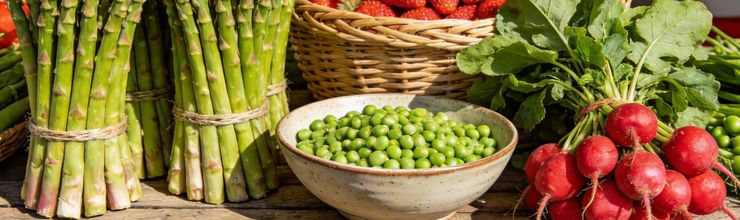
Spring brings fresh produce, seasonal delicacies, and social gatherings, but for people with gout, it also brings temptation. Those tender spring vegetables and holiday feasts can quickly trigger painful flares if you’re not careful.
Research shows that approximately 60% of acute gout attacks are triggered by dietary factors. With spring’s abundance of seasonal foods, knowing what’s safe and what’s risky can make the difference between enjoying the season and spending it in agony.
This guide provides a practical framework for navigating spring eating while keeping your uric acid under control.
Understanding the Spring Risk
Spring presents unique challenges for gout management:
- Seasonal produce abundance: Fresh greens, asparagus, and mushrooms flood markets, but some are high in purines
- Holiday eating: Spring festivals, Easter, and social gatherings often involve high-purine foods
- Weather changes: Temperature fluctuations can affect inflammation and joint comfort
- Fresh produce misconception: “Natural” and “fresh” don’t always mean “safe” for people with gout
The key is understanding which seasonal foods support uric acid management and which ones to approach with caution.
The Spring Foods to Embrace (The Green List)
1. Watercress: The Ultimate Low-Purine Superfood
Watercress tops the list of low-purine vegetables, containing only about 15 mg of purines per 100 grams. Beyond its purine content, watercress offers exceptional nutritional benefits:
- Rich in vitamin C: Studies suggest vitamin C supplementation (500-1,500 mg daily) can reduce uric acid levels
- Powerful antioxidants: Reduces oxidative stress that contributes to gout inflammation
- Natural diuretic: Helps flush uric acid through increased urination
- Vitamin K: Supports bone health (particularly important as some gout medications affect bone density)
How to enjoy: Add to salads, blend into smoothies, or use as a sandwich green. Unlike some raw greens, watercress is gentle on the stomach and easy to digest.
2. Celery: Nature’s Anti-Inflammatory
Celery and celery seed extract have gained attention for their potential uric acid-lowering properties:
- Contains apigenin: A flavonoid with anti-inflammatory properties
- Natural diuretic effect: Promotes uric acid excretion
- Very low purine content: Approximately 10-15 mg per 100 grams
- Alkalizing: Helps counteract dietary acid load
How to enjoy: Snack on celery sticks, add to soups, or brew celery seed tea. Celery juice has become popular, though the whole vegetable provides more fiber.
3. Pineapple: The Bromelain Bonus
Spring brings fresh pineapple, and this tropical fruit offers unique benefits for people with gout:
- Bromelain content: A proteolytic enzyme that reduces inflammation and may improve digestion
- Vitamin C: Supports immune function and may lower uric acid
- Moderate fructose: While all fruits contain fructose, pineapple’s fiber content slows absorption
- Low purine: Safe for people with gout in moderation (1-2 cups daily)
How to enjoy: Fresh pineapple chunks, added to salads, or as a natural meat tenderizer (bromelain helps digest proteins). Avoid canned pineapple in heavy syrup.
4. Ginger: Anti-Inflammatory Powerhouse
Fresh ginger root is readily available in spring and offers significant anti-inflammatory benefits:
- Gingerols: Potent anti-inflammatory compounds
- May inhibit xanthine oxidase: The enzyme that produces uric acid (similar mechanism to allopurinol)
- Pain relief: Natural analgesic properties may help during flares
- Digestive aid: Helps reduce bloating and improves nutrient absorption
How to enjoy: Fresh ginger tea, added to stir-fries, or candied as a occasional treat. Aim for 1-2 grams of fresh ginger daily.
5. Cabbage Family (Cruciferous Vegetables)
The entire cabbage family offers excellent nutrition with surprisingly low purine content:
- Broccoli: Only 30-70 mg purines per 100g; rich in vitamin C and fiber
- Cabbage: Extremely low purines; excellent for digestive health
- Cauliflower: Moderate purine content but packed with antioxidants
- Kale: Nutrient-dense; contains compounds that may reduce inflammation
Important note: While cruciferous vegetables contain purines, research shows they don’t increase gout risk the way animal-based purines do. The overall health benefits outweigh concerns for most patients.
6. Cherries: The Evidence-Based Gout Protector
Cherry season begins in late spring for many varieties. The evidence for cherry benefits in gout is substantial:
Research findings:
- Multiple studies show cherry consumption reduces gout flare frequency by 35-45%
- A 2019 systematic review concluded cherries are associated with reduced serum uric acid and decreased gout attacks
- Tart cherry juice concentrate reduced uric acid by 37.4% in a 2025 randomized controlled trial
- Anthocyanins in cherries inhibit inflammatory pathways
Recommended intake: 1-2 servings of cherries daily (about 20-30 cherries) or 1-2 tablespoons of tart cherry concentrate
Caution: While beneficial, cherries contain fructose. Limit to recommended amounts and account for total fruit sugar intake.
The Spring Foods to Limit (The Red List)
1. Asparagus: Underrated Purine Source
Asparagus is a spring delicacy, but it’s surprisingly high in purines:
- Purine content: 50-150 mg per 100 grams (moderate to high range)
- Particularly problematic: When consumed in large quantities
- Spring peak: Abundance makes overconsumption tempting
Safe approach: If you love asparagus, limit to 3-4 spears as a side dish, not a main course. Avoid asparagus soup or other concentrated preparations.
2. Spring Peas: The Hidden Purine Source
Fresh spring peas are delicious but surprisingly high in purines:
- Purine content: 100-130 mg per 100 grams
- Easy to overeat: Sweet taste makes portion control difficult
- Concentrated in dishes: Risotto, pasta, and soups amplify intake
Safe approach: Treat peas as a treat rather than a staple. A quarter-cup serving provides the same purines as a typical meat portion.
3. Mushrooms: Moderate But Meaningful
Spring mushroom varieties (morels, shiitake) are prized delicacies:
- Purine content: 40-100 mg per 100 grams depending on variety
- Also contain: Guanylic acid, which directly converts to uric acid
- Mushroom soup: Particularly concentrated, avoid or limit severely
Safe approach: A few mushrooms as a pizza topping or mixed into a stir-fry is fine. Avoid mushroom-heavy dishes or cream-of-mushroom soup.
4. Beer and Alcohol: The Spring Gathering Threat
Spring festivals, barbecues, and outdoor gatherings often feature alcohol:
Why alcohol is particularly problematic:
- Beer: Contains guanosine (rapidly absorbed purine) AND alcohol that inhibits uric acid excretion
- Spirits: Primarily the alcohol effect; fewer purines but significant excretion inhibition
- Wine: Less problematic than beer but still increases flare risk
- Binge drinking: Particularly dangerous; can trigger acute flares within 24-48 hours
The data: Beer increases gout risk by 200% compared to non-drinkers. Even moderate consumption significantly raises flare frequency.
Safe approach: If you drink, limit to 1-2 drinks, and never more than 2-3 times per week. Avoid drink on an empty stomach. Increase water intake significantly when consuming alcohol.
5. Organ Meats: Extreme Purine Concentration
Spring holiday dishes often feature organ meats (liver, sweetbreads, kidney):
- Liver: 400-500 mg purines per 100 grams
- Kidney: 400-600 mg purines per 100 grams
- Sweetbreads: 300-400 mg purines per 100 grams
These are among the highest-purine foods available. Even small portions contain massive purine loads.
Safe approach: Avoid completely, or at most, a 1-2 ounce taste during special occasions, not as a main dish.
6. Shellfish: Spring Harvest Risks
Spring marks peak season for many shellfish, particularly oysters and mussels:
- Oysters: 100-200 mg purines per 100 grams
- Mussels: 100-150 mg purines per 100 grams
- Clams: 100-200 mg purines per 100 grams
- Combination risk: Often served with beer at gatherings
Safe approach: If you choose shellfish, limit to 2-3 ounces maximum and avoid during active flares.
Smart Spring Eating Strategies
The Plate Method for Gout
Structure your meals to naturally limit purines while maximizing nutrition:
- Half your plate: Non-starchy vegetables (especially spring greens)
- Quarter plate: Lean protein (eggs, tofu, fish, poultry)
- Quarter plate: Whole grains or starchy vegetables
- On the side: Fresh fruit, especially cherries
Hydration Strategy
Spring weather increases outdoor activity, raising dehydration risk:
- Drink at least 2-3 liters of water daily
- Carry water during outdoor activities
- Avoid caffeinated beverages as primary hydration
- Consider adding a squeeze of lemon (vitamin C supports uric acid excretion)
Smart Snacking
Between-meal choices matter:
- Good options: Celery with hummus, fresh fruit, rice cakes, yogurt
- Caution: Nuts (moderate purines), dried fruit (concentrated fructose)
- Avoid: Spring pea snacks, beer nuts, high-fructose anything
Spring Menu Suggestions
Breakfast Ideas
- Oatmeal with cherries and walnuts
- Scrambled eggs with watercress and toast
- Greek yogurt parfait with fresh ginger and fruit
Lunch Ideas
- Large salad with grilled chicken, cabbage, and ginger dressing
- Vegetable soup with small portion of pasta
- Tuna salad on whole grain bread with celery sticks
Dinner Ideas
- Grilled salmon with steamed broccoli and quinoa
- Stir-fried tofu with spring vegetables (limit mushrooms)
- Roasted chicken breast with roasted root vegetables
Navigating Spring Gatherings
Before the Event
- Eat a small, low-purine snack beforehand
- Prepare a gout-friendly dish to share
- Set personal limits before arriving
During the Event
- Fill your plate primarily with vegetables
- Choose small portions of meat or protein dishes
- Drink water between alcoholic beverages
- Avoid the “just one more” trap with shrimp or crab legs
After the Event
- Extra hydration for the next 24-48 hours
- Consider an extra dose of any prescribed medication
- Monitor for early signs of a flare
Common Spring Diet Myths Debunked
Myth 1: “All vegetables are safe for people with gout”
Reality: While vegetables are generally better than meat, some (asparagus, peas, mushrooms) contain moderate purine levels. Balance matters.
Myth 2: “Spring greens are always healthy for gout”
Reality: Spinach and rhubarb contain oxalates that may contribute to kidney stone formation in some patients. Variety is key.
Myth 3: “Drinking vegetable juice is as good as eating vegetables”
Reality: Juicing removes fiber and can concentrate purines and fructose. Whole vegetables are preferable.
Myth 4: “Light beer is safe for people with gout”
Reality: Light beer contains the same purines as regular beer, just less alcohol. The alcohol still inhibits uric acid excretion.
The Bottom Line
Spring eating doesn’t have to be a minefield for people with gout. By understanding which seasonal foods support your health and which ones increase your risk, you can enjoy the season’s bounty without fear.
The key principles are straightforward:
- Emphasize spring vegetables, especially leafy greens and low-purine options
- Limit asparagus, peas, and mushrooms to small portions
- Enjoy cherries—nature’s most evidence-based gout protection
- Avoid alcohol, especially beer, or strictly limit intake
- Stay hydrated as outdoor activity increases
- Use common sense at gatherings—small portions of higher-purine foods are fine
Spring is a season of renewal. Use it as a fresh start for your gout-friendly eating habits, and you’ll be positioned for a pain-free summer ahead.
Frequently Asked Questions
What foods trigger gout the most?
Organ meats (liver, kidney), certain seafood (anchovies, sardines, shellfish), and high-fructose foods are the biggest dietary triggers. Red meat and beer also raise uric acid significantly. Not everyone reacts the same way, so tracking your personal triggers with a food diary can help you identify your specific problem foods.
Can I ever eat steak or seafood again?
Yes, in moderation. A small portion of lean red meat (3–4 oz) once or twice a week is usually fine for most people with gout. The key is balancing purine-rich foods with plenty of water, low-fat dairy, and vegetables. Talk to your doctor about what portions work for your uric acid levels.
Do vegetables high in purines cause gout attacks?
No. Research consistently shows that purines from plant sources — even high-purine vegetables like spinach, mushrooms, and lentils — do not increase gout risk. Only animal-derived purines significantly raise uric acid levels. This is one of the most common misunderstandings about gout diets.
How much water should I drink to prevent gout?
Most rheumatologists recommend at least 8 glasses (64 oz) of water daily. Staying well-hydrated helps your kidneys flush out excess uric acid. During a flare, increasing fluid intake can help speed recovery. Coffee and low-fat milk also have mild uric-acid-lowering effects.
Related: Complete Gout Diet Guide | Best Foods for Gout | 7-Day Meal Plan
For comprehensive dietary guidance, see our complete gout diet guide.
Be aware of your personal gout triggers.
References
- PubMed
- Tart Cherry Extract Trial. Journal of the International Society of Sports Nutrition, 2025
- PubMed
- National Institute of Health Gout Diet Guidelines
- PubMed
- Chen-Xu M, Yokose C, Rai SK, Pillinger MH, Choi HK. Contemporary Prevalence of Gout and Hyperuricemia (high uric acid levels) in the United States. Arthritis Rheumatol. 2019;71(5):764-770. PubMed
Reviewed by the GoutSavvy Editorial Team