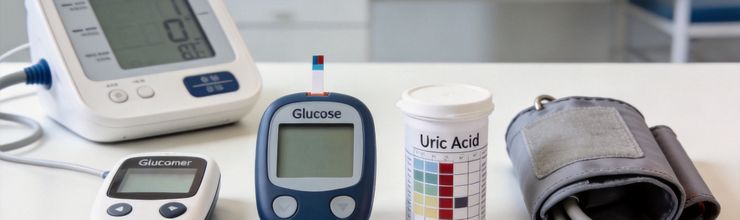
The Metabolic Connection Between Gout and Diabetes
When examining chronic diseases, few connections are as striking as that between gout and type 2 diabetes. Research consistently demonstrates that individuals with gout face approximately three times higher risk of developing type 2 diabetes compared to those without gout. Understanding this relationship reveals important insights into metabolic health and offers opportunities for more comprehensive disease management.
Scope of the Problem
Epidemiological data paint a concerning picture:
- Prevalence of diabetes in people with gout: 15-25% (significantly higher than general population)
- people with gout: 3-fold increased risk of developing type 2 diabetes
- Both conditions share strong links to obesity and metabolic syndrome
- The coexistence dramatically elevates cardiovascular disease risk
The Shared Root: Insulin Resistance
At the center of both gout and type 2 diabetes lies insulin resistance, a metabolic dysfunction where cells become less responsive to insulin signaling.
How Insulin Resistance Develops
Chronic overnutrition leads to excess adipose tissue accumulation, particularly visceral fat. This triggers:
- Chronic low-grade inflammation
- Elevated free fatty acids in circulation
- Disruption of insulin signaling pathways
- Compensatory hyperinsulinemia
Insulin Resistance and Uric Acid
Insulin normally stimulates the kidneys to excrete uric acid. When insulin resistance develops:
- Hyperinsulinemia impairs renal uric acid excretion
- The URAT1 transporter increases uric acid reabsorption
- Insulin also increases uric acid production through de novo purine synthesis
- Result: Elevated serum uric acid and increased gout risk
The Bidirectional Relationship
The connection between hyperuricemia (high uric acid levels) and metabolic dysfunction appears to be bidirectional:
- Elevated uric acid may independently cause insulin resistance
- Uric acid inhibits nitric oxide in skeletal muscle, impairing glucose uptake
- Fructose metabolism generates both uric acid and contributes to insulin resistance
- This creates a vicious cycle that accelerates both conditions
Fructose: The Common Link
Fructose consumption represents a particularly concerning dietary factor that simultaneously worsens both gout and diabetes. High-fructose corn syrup, ubiquitous in processed foods and beverages, provides a major source of dietary fructose in Western diets.
How Fructose Raises Uric Acid
Fructose metabolism follows a unique pathway:
- Fructose enters liver cells without insulin-mediated regulation
- Rapid phosphorylation by fructokinase depletes ATP
- ATP depletion activates adenosine deaminase
- This produces excessive purine precursors
- Result: Elevated uric acid production
How Fructose Causes Insulin Resistance
Beyond its uric acid effects, fructose promotes metabolic dysfunction through:
- Lipogenesis: Conversion to fat in the liver (de novo lipogenesis)
- Hepatic insulin resistance development
- Increased visceral fat accumulation
- Elevated triglycerides
- Impaired glucose tolerance
Sources of Fructose to Avoid
Common high-fructose sources that worsen both conditions:
- Sugar-sweetened beverages (sodas, fruit drinks)
- Processed snacks and desserts
- Breakfast cereals with high-fructose corn syrup
- Sweetened yogurts
- Condiments (ketchup, barbecue sauce) with added sugars
SGLT2 Inhibitors: Dual Benefits
Sodium-glucose cotransporter 2 (SGLT2) inhibitors represent a breakthrough medication class that benefits both gout and diabetes simultaneously.
How SGLT2 Inhibitors Work
These medications block glucose reabsorption in the kidneys:
- Normally, kidneys reabsorb approximately 180g of glucose daily
- SGLT2 inhibitors block this reabsorption
- Glucose is excreted in urine (glycosuria)
- Blood glucose levels decrease
- Caloric loss promotes modest weight loss
SGLT2 Inhibitors and Uric Acid
Remarkably, SGLT2 inhibitors also lower uric acid through:
- Enhanced urinary glucose excretion
- Improved insulin sensitivity
- Direct uricosuric effects (increased uric acid excretion)
- Modest reduction in serum uric acid (approximately 0.5-1.5 mg/dL)
Available SGLT2 Inhibitors
| Medication | Brand Name | Uric Acid Effect | cardiovascular (CV) Benefits |
|---|---|---|---|
| Canagliflozin | Invokana | Significant decrease | Established |
| Dapagliflozin | Farxiga | Moderate decrease | Established |
| Empagliflozin | Jardiance | Moderate decrease | Strong evidence |
| Ertugliflozin | Steglatro | Moderate decrease | Established |
Additional Cardiovascular Benefits
SGLT2 inhibitors have demonstrated impressive cardiovascular outcomes:
- Reduced heart failure hospitalization
- Slowed progression of diabetic kidney disease
- Modest blood pressure reduction
- Weight loss (typically 2-4% of body weight)
- Improved lipid profiles
SGLT2 Inhibitor Side Effects
Important considerations for people with gout:
- Genital mycotic infections: Increased risk in both men and women
- Urinary tract infections: Small increased risk
- Diabetic ketoacidosis: Rare but serious risk (monitor if ill)
- Foot amputation: Slightly increased risk with canagliflozin (monitor feet)
Metformin: First-Line Diabetes Treatment and Gout
Metformin remains the first-line medication for type 2 diabetes and has potential benefits for people with gout:
Mechanism and Benefits
- Reduces hepatic glucose production
- Improves insulin sensitivity
- Associated with modest weight loss
- May reduce inflammatory markers
Effects on Uric Acid
Evidence for metformin’s direct effect on uric acid is less clear:
- Some studies suggest modest uric acid reduction
- May work indirectly through improved glycemic control
- Weight loss effects may contribute to uric acid lowering
- Does not directly affect urate transporters
Managing Both Conditions Simultaneously
Lifestyle Interventions
Lifestyle modifications that address both gout and diabetes:
Dietary Strategies
- Low glycemic index foods: Whole grains, legumes, non-starchy vegetables
- Limit refined carbohydrates: White bread, pastries, sugary foods
- reduce sugar-sweetened beverages: The single most impactful dietary change
- Moderate purine intake: While not as critical as in past recommendations
- Dietary Approaches to Stop Hypertension (DASH) diet: Benefits both blood pressure and uric acid
- Mediterranean diet: Associated with improved insulin sensitivity
Weight Management
Weight loss benefits both conditions profoundly:
- 5-10% body weight loss significantly improves insulin sensitivity
- Weight loss reduces serum uric acid
- Reduces blood pressure and improves lipid profile
- Caution: Rapid weight loss can trigger gout flares
- Strategy: Gradual, sustainable weight loss (1-2 pounds per week)
Physical Activity
Regular exercise provides multiple benefits:
- Improves insulin sensitivity
- Supports weight management
- Reduces inflammation
- Recommended: 150 minutes of moderate aerobic activity weekly
- Include resistance training 2-3 times weekly
- Start gradually if sedentary
Medication Considerations
Diabetes Medications and Uric Acid
| Medication Class | Effect on Uric Acid | Gout Consideration |
|---|---|---|
| SGLT2 inhibitors | Lowers | Preferred choice |
| Metformin | Neutral/modest decrease | Safe first-line option |
| GLP-1 agonists | Neutral | Weight loss benefits may help |
| Sulfonylureas | Neutral | Weight gain may worsen |
| Thiazolidinediones | May increase | Use with caution |
| Insulin | May increase | Monitor uric acid |
Gout Medications and Blood Glucose
Most gout treatments have minimal effects on blood glucose:
- Allopurinol/Febuxostat: No significant effect on glucose
- Colchicine: No significant effect on glucose
- nonsteroidal anti-inflammatory drugs (NSAIDs): May affect glucose control (monitor)
- Corticosteroids: Raise blood glucose—significant concern
Corticosteroid Caution
For diabetic people with gout, corticosteroids present particular challenges:
- Raise blood glucose significantly
- May require insulin or medication adjustment
- Consider colchicine or NSAIDs first when possible
- If steroids necessary, monitor glucose closely
Monitoring Recommendations
For Patients with Both Conditions
- Hemoglobin A1c: Every 3 months until stable, then every 6 months
- Fasting glucose: Regularly at home
- Serum uric acid: At diagnosis, during titration, then every 6-12 months
- Renal function: Annual creatinine/estimated glomerular filtration rate (eGFR) (affects both disease treatments)
- Blood pressure: At each visit
- Lipid panel: Annual
Treatment Targets
| Parameter | Target for Gout + Diabetes |
|---|---|
| Hemoglobin A1c | Less than 7% (individualize based on age and comorbidities) |
| Serum uric acid | Less than 6 mg/dL (less than 5 mg/dL with tophi) |
| Blood pressure | Less than 130/80 mmHg |
| low-density lipoprotein (LDL) cholesterol | Less than 100 mg/dL (or less than 70 mg/dL with cardiovascular disease (CVD)) |
Key Takeaways
- people with gout face approximately 3-fold higher risk of developing type 2 diabetes
- Insulin resistance represents the common metabolic link between both conditions
- Fructose consumption simultaneously worsens gout and diabetes risk
- SGLT2 inhibitors are excellent choices for diabetic people with gout (lowers uric acid)
- Metformin remains safe and appropriate first-line diabetes therapy
- Corticosteroids significantly raise blood glucose—use alternatives when possible
- Lifestyle interventions (diet, weight loss, exercise) benefit both conditions
- Comprehensive cardiovascular risk management is essential
Frequently Asked Questions
What foods trigger gout the most?
Organ meats (liver, kidney), certain seafood (anchovies, sardines, shellfish), and high-fructose foods are the biggest dietary triggers. Red meat and beer also raise uric acid significantly. Not everyone reacts the same way, so tracking your personal triggers with a food diary can help you identify your specific problem foods.
Can I ever eat steak or seafood again?
Yes, in moderation. A small portion of lean red meat (3–4 oz) once or twice a week is usually fine for most people with gout. The key is balancing purine-rich foods with plenty of water, low-fat dairy, and vegetables. Talk to your doctor about what portions work for your uric acid levels.
Do vegetables high in purines cause gout attacks?
No. Research consistently shows that purines from plant sources — even high-purine vegetables like spinach, mushrooms, and lentils — do not increase gout risk. Only animal-derived purines significantly raise uric acid levels. This is one of the most common misunderstandings about gout diets.
How much water should I drink to prevent gout?
Most rheumatologists recommend at least 8 glasses (64 oz) of water daily. Staying well-hydrated helps your kidneys flush out excess uric acid. During a flare, increasing fluid intake can help speed recovery. Coffee and low-fat milk also have mild uric-acid-lowering effects.
Gout often occurs with high blood pressure and high cholesterol.
Address metabolic risks with evidence-based lowering strategies.
References
- PubMed
- American Diabetes Association. Standards of Medical Care in Diabetes. Diabetes Care. 2023.
- Bhyarajan U, et al. Gout and risk of type 2 diabetes. Current Diabetes Reports. 2020.
- Zelova R, et al. Insulin resistance and hyperuricemia. Physiological Research. 2020.
- Bailey CJ. SGLT2 inhibitor therapy for diabetes and gout. Diabetes, Obesity and Metabolism. 2019.
- Chen-Xu M, Yokose C, Rai SK, Pillinger MH, Choi HK. Contemporary Prevalence of Gout and Hyperuricemia in the United States. Arthritis Rheumatol. 2019;71(5):764-770. PubMed
Reviewed by the GoutSavvy Editorial Team