Breaking the Silence on Sleep Apnea and Gout
Among the numerous comorbidities associated with gout, obstructive sleep apnea (OSA) represents one of the most overlooked yet potentially significant relationships. Research from the past decade has revealed a compelling bidirectional connection: not only does gout increase the risk of developing sleep apnea, but sleep apnea independently contributes to hyperuricemia (high uric acid levels) and gout attacks. Understanding this relationship offers new avenues for comprehensive gout management.
The Scope of the Problem
Epidemiological data reveal the significance of this connection:
- people with gout demonstrate 50-70% higher prevalence of OSA than the general population
- Sleep apnea patients show 40-50% increased risk of developing gout
- Severe OSA correlates with even higher gout incidence
- Both conditions share common risk factors including obesity and metabolic syndrome
Understanding Obstructive Sleep Apnea
What Is OSA?
Obstructive sleep apnea occurs when the muscles in the throat relax during sleep, causing repeated episodes of breathing cessation or significant airflow reduction. These events:
- Last typically 10-30 seconds but may extend longer
- Can occur hundreds of times per night
- Lead to oxygen desaturation and sleep fragmentation
- Result in poor sleep quality despite adequate time in bed
Recognizing the Symptoms
Common signs and symptoms of OSA include:
- Loud, chronic snoring: Though not all snorers have OSA
- Gasping or choking during sleep: Often observed by bed partners
- Excessive daytime sleepiness: Despite adequate time in bed
- Morning headaches: Due to overnight CO2 retention
- Difficulty concentrating: From sleep fragmentation
- Mood changes: Irritability, anxiety, depression
- Frequent urination at night: Nocturia
Risk Factors
Several factors increase OSA risk:
- Obesity (major risk factor)
- Male sex (though female risk increases after menopause)
- Age over 50
- Large neck circumference
- Upper airway anatomy
- Alcohol or sedative use
- Smoking
- Chronic nasal congestion
How Sleep Apnea Raises Uric Acid
The Hypoxia Connection
The key mechanism linking sleep apnea to hyperuricemia involves intermittent hypoxia—repeated periods of oxygen deprivation during apneic episodes. This hypoxia triggers several metabolic responses:
ATP Degradation
When tissues experience hypoxia:
- Cells cannot efficiently produce energy through aerobic metabolism
- ATP (adenosine triphosphate) is broken down to ADP, AMP, and eventually adenosine
- Adenosine is further metabolized to hypoxanthine, xanthine, and finally uric acid
- The liver converts these purine metabolites to uric acid
Increased Purine Production
Studies have demonstrated that:
- Acute hypoxia increases serum uric acid within hours
- Altitude studies show uric acid rises proportionally to altitude (degree of hypoxia)
- Exercise at high altitudes produces similar effects
- Each apneic episode creates a mini-hypoxic stress
Impaired Renal Uric Acid Excretion
Beyond increased production, sleep apnea impairs uric acid elimination:
- Hypoxia causes metabolic acidosis
- The kidneys respond by increasing uric acid reabsorption
- Chronic inflammation from OSA affects renal function
- Oxidative stress impairs urate transporter function
The Research Evidence
Landmark Studies
Multiple research studies have established this connection:
Sleep Heart Health Study
This large cohort study found that participants with sleep-disordered breathing had significantly elevated uric acid levels, with the relationship persisting after adjusting for body mass index and other confounders.
Risk of Incident Gout
Research published in Arthritis & Rheumatology followed patients longitudinally and found:
- Moderate OSA: 33% increased risk of incident gout
- Severe OSA: 67% increased risk of incident gout
- Risk persisted after adjusting for body mass index (BMI) and other factors
- Relationship stronger in younger and non-obese patients
CPAP Treatment Effects
Studies examining continuous positive airway pressure (CPAP) therapy demonstrate that treating OSA:
- Reduces serum uric acid levels significantly
- Effects are most pronounced in patients with severe OSA
- Uric acid reduction correlates with improvement in OSA severity
- Benefits observed within weeks of treatment initiation
The Vicious Cycle: How Each Condition Worsens the Other
Sleep Apnea Worsens Gout
Beyond raising uric acid, sleep apnea contributes to gout through:
- Chronic inflammation: OSA increases inflammatory markers (IL-6, TNF-alpha, C-reactive protein (CRP))
- Oxidative stress: Damages tissues and promotes crystal deposition
- Endothelial dysfunction: Impairs blood vessel function
- Insulin resistance: Common pathway for both conditions
- Sleep deprivation: Raises pain sensitivity and flare risk
Gout Worsens Sleep Apnea
Conversely, gout contributes to sleep apnea through:
- Fluid redistribution: Diuretics used for gout can affect upper airway edema
- Chronic inflammation: May affect upper airway tissues
- Pain and discomfort: Flares disrupt sleep architecture
- Medication effects: Some gout medications affect sleep
- Obesity: Shared risk factor maintains the cycle
Why This Connection Is Often Missed
Diagnostic Challenges
Both conditions are frequently underdiagnosed:
Sleep Apnea Underdiagnosis
- Patients often unaware of nighttime symptoms
- Snoring may not be prominent in all cases
- Daytime sleepiness is attributed to other causes
- Limited access to sleep studies
- Gout healthcare providers may not screen for OSA
Gout-Apnea Link Unrecognized
Even when patients have both conditions:
- Providers may not connect the metabolic pathways
- Focus remains on traditional gout triggers (diet, alcohol)
- Uric acid may be addressed without investigating underlying causes
- Lifestyle counseling may not include sleep assessment
Diagnosis: Screening for Sleep Apnea
Who Should Be Screened?
Consider sleep apnea screening in people with gout with:
- Excessive daytime sleepiness despite adequate sleep
- Loud snoring observed by bed partner
- BMI greater than 35
- Neck circumference greater than 17 inches (men) or 16 inches (women)
- Treatment-resistant hypertension
- Frequent nocturnal awakening
- Morning headaches
- Poorly controlled gout despite appropriate treatment
Screening Tools
Several validated questionnaires help identify OSA risk:
- STOP-Bang questionnaire: 8 questions, widely used
- Berlin Questionnaire: Assesses snoring, fatigue, BMI, hypertension
- Epworth Sleepiness Scale: Measures daytime sleepiness
Definitive Diagnosis
Polysomnography (sleep study) remains the gold standard:
- Home sleep apnea tests available for uncomplicated cases
- Full in-lab studies recommended for complex presentations
- Apnea-hypopnea index (AHI) quantifies severity
- Mild OSA: AHI 5-15; Moderate: 15-30; Severe: greater than 30
Treatment: CPAP and Beyond
Continuous Positive Airway Pressure (CPAP)
CPAP therapy is the gold standard treatment for moderate-to-severe OSA:
How CPAP Works
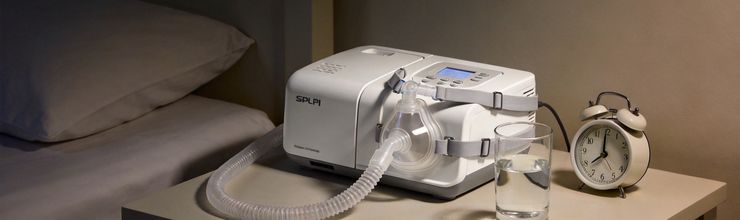
A CPAP machine delivers constant air pressure through a mask, creating a pneumatic splint that keeps the airway open during sleep.
Benefits Beyond Sleep Quality
For people with gout, CPAP provides additional benefits:
- Reduction in serum uric acid (typically 0.5-1.5 mg/dL)
- Decreased inflammatory markers
- Improved insulin sensitivity
- Better blood pressure control
- Reduced cardiovascular risk
- Improved gout flare control
Adherence Challenges
CPAP effectiveness depends on consistent use:
- Initial discomfort is common (mask fitting, air pressure)
- Dry mouth, nasal congestion may occur
- Average adherence: 4-5 hours per night
- Higher adherence correlates with greater metabolic benefits
- Working with equipment supplier improves outcomes
Alternative Treatments
When CPAP is not tolerated, alternatives exist:
- Oral appliances: Mandibular advancement devices for mild-moderate OSA
- Positional therapy: Special devices to prevent sleeping on back
- Weight loss: Can significantly reduce OSA severity
- Surgery: Reserved for specific anatomical causes
- Inspire therapy: Hypoglossal nerve stimulation for select patients
Weight Loss: Addressing Both Conditions
Weight management is particularly powerful for patients with both conditions:
Impact on Sleep Apnea
Weight loss directly reduces OSA severity:
- 10% weight loss can reduce AHI by 20-30%
- Even modest weight loss provides meaningful benefits
- Fat loss reduces tissue surrounding the upper airway
- Benefits are sustained with weight maintenance
Impact on Gout
Weight loss also benefits gout:
- Each kilogram lost reduces uric acid by approximately 0.2-0.3 mg/dL
- Decreased insulin resistance improves uric acid excretion
- Reduced joint stress decreases flare frequency
- Lower cardiovascular risk (important given OSA comorbidities)
Caution: Rate Matters
As discussed in the exercise section, rapid weight loss can trigger gout flares:
- Target: 1-2 pounds (0.5-1 kg) per week maximum
- Avoid very low-calorie diets
- Combine with adequate hydration
- Consider medical supervision for significant weight loss
Lifestyle Modifications
Sleep Hygiene
Improving sleep quality benefits both conditions:
- Consistent schedule: Same bedtime and wake time daily
- Sleep environment: Cool, dark, quiet bedroom
- Limit screen time: Reduce blue light before bed
- Alcohol avoidance: Alcohol worsens OSA and raises uric acid
- Sedative caution: May worsen airway collapse during sleep
Position During Sleep
Sleeping position affects OSA severity:
- Supine (back) position worsens OSA in most patients
- Side sleeping often reduces symptoms
- Special devices available to encourage side sleeping
- Head elevation may provide modest benefit
Nasal Breathing
Promoting nasal breathing may help:
- Treat nasal congestion
- Consider nasal dilators if needed
- Breathing exercises may improve nasal patency
Monitoring and Follow-Up
For Patients with Both Conditions
- Regular sleep quality assessment
- Periodic uric acid monitoring (every 6 months when stable)
- CPAP adherence tracking
- Flare diary to identify patterns
- Annual review of OSA treatment effectiveness
- Cardiovascular risk assessment
Questions to Ask Your Healthcare Provider
Consider discussing:
- Should I be screened for sleep apnea?
- Could sleep apnea be contributing to my gout?
- Would treating sleep apnea help my gout?
- How can I improve my sleep quality?
- Should I see a sleep specialist?
Key Takeaways
- Sleep apnea and gout are bidirectionally linked through hypoxia and metabolic dysfunction
- Intermittent hypoxia during sleep raises uric acid by increasing purine breakdown
- Patients with severe OSA have approximately 67% higher gout risk
- CPAP treatment reduces serum uric acid and may decrease flare frequency
- people with gout with difficult-to-control disease should be screened for OSA
- Weight loss benefits both conditions but should be gradual
- Improving sleep quality is an often-overlooked component of gout management
- Addressing sleep apnea may allow lower medication doses
Frequently Asked Questions
What foods trigger gout the most?
Organ meats (liver, kidney), certain seafood (anchovies, sardines, shellfish), and high-fructose foods are the biggest dietary triggers. Red meat and beer also raise uric acid significantly. Not everyone reacts the same way, so tracking your personal triggers with a food diary can help you identify your specific problem foods.
Can I ever eat steak or seafood again?
Yes, in moderation. A small portion of lean red meat (3–4 oz) once or twice a week is usually fine for most people with gout. The key is balancing purine-rich foods with plenty of water, low-fat dairy, and vegetables. Talk to your doctor about what portions work for your uric acid levels.
Do vegetables high in purines cause gout attacks?
No. Research consistently shows that purines from plant sources do not increase gout risk. Only animal-derived purines significantly raise uric acid levels. This is one of the most common misunderstandings about gout diets.
How much water should I drink to prevent gout?
Most rheumatologists recommend at least 8 glasses (64 oz) of water daily. Staying well-hydrated helps your kidneys flush out excess uric acid. Coffee and low-fat milk also have mild uric-acid-lowering effects.
Related: Gout Triggers | Exercise and Gout | Sleep and Gout
Sleep and metabolic health are connected. Learn about metabolic syndrome and gout.
Nighttime flares are common. See why gout attacks happen while you sleep.
References
- PubMed
- Zhu Z, et al. Sleep apnea and risk of incident gout. Arthritis & Rheumatology. 2019.
- T. Wei. Association between obstructive sleep apnea and hyperuricemia. Sleep Medicine. 2017.
- Lam JC, et al. Effects of CPAP treatment on uric acid in obstructive sleep apnea. Respiratory Medicine. 2015.
- Aali DR, et al. The relationship between gout and sleep disorders. Current Rheumatology Reports. 2020.
- Chen-Xu M, Yokose C, Rai SK, Pillinger MH, Choi HK. Contemporary Prevalence of Gout and Hyperuricemia in the United States. Arthritis Rheumatol. 2019;71(5):764-770. PubMed
Reviewed by the GoutSavvy Editorial Team