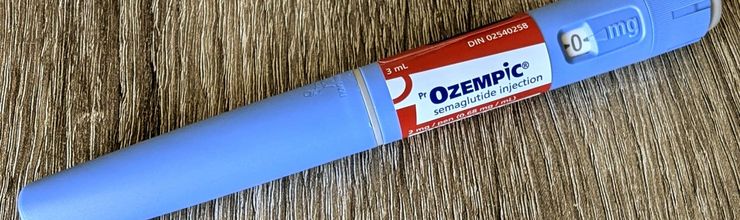
You started semaglutide six months ago. The weight came off faster than anything you ever tried. Your blood sugar looks great. Then one morning you wake up and your big toe feels like someone drove a screw through it. Swollen. Red. So tender the bedsheet hurts.
That’s gout. And if you’re on a GLP-1 drug like Ozempic, Wegovy, or Mounjaro, new research suggests you might be slightly more likely to develop it than someone who isn’t.
The finding comes from a large study presented at the American Academy of Orthopaedic Surgeons (AAOS) annual meeting in 2026. Researchers at the University of Pennsylvania, led by Dr. John Horneff, looked at five years of medical records from over 146,000 adults with obesity and type 2 diabetes. They found that people taking GLP-1 receptor agonists developed gout at a rate of 7.4%, compared with 6.6% in people not taking the drugs. That’s about a 12% relative increase.
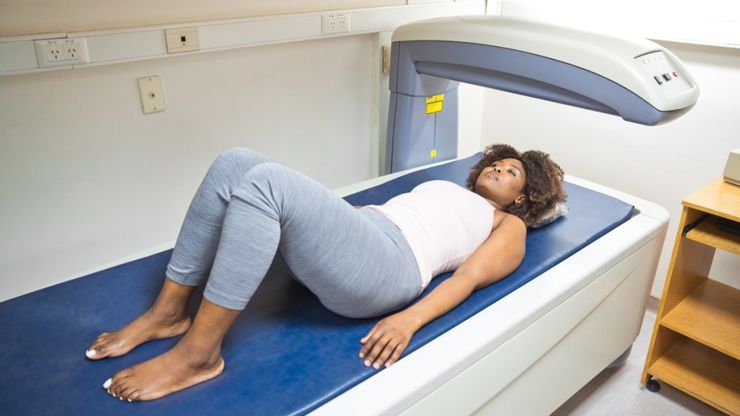
The same study flagged other bone and joint issues too. Osteoporosis showed up in roughly 4% of GLP-1 users versus a little over 3% of nonusers, a 30% relative jump. A related condition called osteomalacia, which softens bones, was rare but occurred about twice as often in the GLP-1 group.
Before you panic and flush your pen down the toilet, let’s dig into what this actually means, what it doesn’t, and why the gout connection makes a surprising amount of biological sense.
What the Study Actually Found
The research is a retrospective cohort study, which means the investigators looked backward at existing medical records rather than randomly assigning people to take a drug or not. They compared two groups: adults with obesity and type 2 diabetes who were prescribed GLP-1 medications, and similar adults who were not. The medications documented included semaglutide (Ozempic, Wegovy, Rybelsus) and liraglutide (Victoza, Saxenda).
Over five years of follow-up, the GLP-1 group had higher rates of three conditions:
- Gout: 7.4% versus 6.6% (relative risk increase of about 12%)
- Osteoporosis: 4.1% versus 3.2% (relative risk increase of about 29%)
- Osteomalacia: 0.2% versus 0.1% (roughly double, but still very rare)
Dr. Horneff, an associate professor of orthopedic surgery at Penn, told reporters that the absolute increases are modest. “It’s not huge,” he said. But he pointed out that the data also showed nearly a doubling of risk for having some kind of bone mineral density issue at five years.
It’s worth noting this study has not yet been published in a peer-reviewed journal. The findings were presented at a medical conference, which means they should be treated as preliminary until other researchers can scrutinize the data and methods.
Why GLP-1 Drugs Might Raise Gout Risk
The gout finding seems counterintuitive at first. GLP-1 drugs help people lose weight and improve metabolic health. Both of those things should theoretically reduce gout risk, since obesity and insulin resistance are major drivers of high uric acid. In fact, earlier research including the large SELECT trial found that semaglutide was linked to a lower risk of gout flares over about three years.
So what gives?
The most likely explanation is the speed of weight loss. When you drop pounds rapidly, especially in the first 6 to 12 months on a GLP-1 drug, your body breaks down fat tissue and other cells at an accelerated pace. Cells contain purines, and when purines break down, they produce uric acid. A sudden surge of uric acid can tip someone who was already borderline right into a flare.
This isn’t a new concept. Doctors have known for decades that rapid weight loss from crash dieting, fasting, or bariatric surgery can trigger gout. The same mechanism applies here. If you’ve read our piece on why crash dieting makes gout worse, the biology will sound familiar.
There may be a second factor at work: reduced food intake. GLP-1 drugs suppress appetite, and some people simply eat less overall, including less protein and fluids. Dehydration concentrates uric acid in the blood and makes crystal formation more likely. Lower protein intake can also shift the body toward ketone production, and ketones compete with uric acid for excretion in the kidneys, leaving more uric acid circulating.
That said, the study was observational. It cannot prove that GLP-1 drugs caused the gout. The researchers didn’t have detailed data on diet, exercise, vitamin D supplementation, or how much weight each person lost. People prescribed GLP-1 drugs might differ from non-users in ways the records didn’t capture.
The Contradiction With the SELECT Trial
If you follow this space, you might be confused. In 2024, the SELECT trial, which followed over 17,000 people for about three years, reported that semaglutide reduced the risk of gout flares by roughly 26% compared with placebo. That’s a big study, a randomized controlled trial, and it pointed in the opposite direction.
How do you reconcile the two?
Timeline may be the key. The SELECT trial followed patients for years and found an overall reduction in gout events. But it didn’t report what happened in the first six months, when rapid weight loss is most dramatic. It’s quite possible that GLP-1 drugs cause a short-term bump in gout risk during the active weight-loss phase, followed by a longer-term reduction as the metabolic benefits kick in and weight stabilizes.
Dr. Susan Spratt, an endocrinologist at Duke Health who was not involved in the new study, questioned whether the increased gout risk was due to rapid weight loss or some other mechanism. She noted that some studies have found musculoskeletal benefits with GLP-1 drugs and that she often sees joint pain improve as patients lose weight.
The takeaway: we’re looking at two real signals that may operate on different timelines. Short-term flare risk during rapid weight loss, then lower baseline risk once weight and metabolism stabilize. This is exactly the same pattern doctors see with bariatric surgery, where gout flares often spike in the first few postoperative months before dropping below baseline.
The Osteoporosis Side of the Story
The bone density findings deserve attention too, especially for anyone over 50. The 30% relative increase in osteoporosis sounds alarming, but the absolute difference was less than 1 percentage point (4.1% vs 3.2%). For a 40-year-old with normal bone density, this probably isn’t a reason to lose sleep. For a 65-year-old woman already at risk for osteoporosis, it’s worth discussing with your doctor.
Why would GLP-1 drugs affect bones? Two leading theories:
Mechanical unloading. Your bones maintain density partly in response to the weight they carry. Lose a lot of weight quickly, and the skeleton senses reduced load, similar to what astronauts experience in zero gravity. Bone breakdown can temporarily outpace bone formation.
Nutrient shortfall. When you eat far less, you may not consume enough calcium, vitamin D, and protein, all of which bones need to stay strong. Dr. Horneff pointed to this as a likely contributor. The FDA already notes in semaglutide labeling that it might increase fracture risk in older adults and women.
Here’s the good news: Dr. Christopher McGowan, a gastroenterologist who runs a weight loss clinic in North Carolina, pointed out that when GLP-1 treatment is combined with structured exercise, bone density loss is largely mitigated. Resistance training in particular tells your bones to stay strong even as body weight drops.
“The takeaway isn’t fear,” McGowan said. “It’s refinement.”
What This Means if You’re Taking a GLP-1 Drug and Have Gout
If you’re already on a GLP-1 medication and you have a history of gout, here’s what the evidence suggests you should actually do. Not panic. But pay attention.
Stay hydrated. This is the single easiest thing you can do. GLP-1 drugs reduce appetite, and many people drink less without realizing it. Aim for enough water that your urine stays pale yellow. Dehydration is one of the most reliable gout triggers, and we’ve covered why your joints pay the price when you don’t drink enough.
Don’t stop your urate-lowering medication. If you’re on allopurinol, febuxostat, or dotinurad, keep taking it. Starting a GLP-1 drug is not the time to skip your gout medication. In fact, if your uric acid has been borderline, it might be worth talking to your doctor about checking your levels more frequently during the first 6 to 12 months of treatment. We’ve covered what the largest study says about stopping gout medication, and the answer is usually: don’t, without medical supervision.
Eat enough protein. The appetite suppression from GLP-1 drugs can make it hard to hit protein targets. Aim for roughly 0.8 to 1.0 grams of protein per kilogram of body weight per day. Protein also helps preserve muscle mass during weight loss, and muscle pulls on bone, which helps maintain density. If you’re wondering what protein looks like on a gout-friendly diet, our guide to protein and gout breaks down what the research actually shows.
Add resistance training. Two or three sessions per week of weight-bearing exercise, even bodyweight exercises, can significantly reduce the bone density dip associated with rapid weight loss. Exercise also improves insulin sensitivity, which helps your kidneys excrete uric acid more efficiently. For more on the exercise and gout balance, see our complete guide to physical activity with gout.
Ask about vitamin D and calcium. A simple blood test can check your vitamin D level. If it’s low, supplementation is cheap and effective. Calcium intake matters too, but don’t megadose without checking with your doctor, especially if you have a history of kidney stones, which can overlap with gout.
Know the early signs of a flare. Gout usually starts as intense pain, redness, and swelling in a single joint, most often the big toe, but it can also hit the ankle, knee, elbow, wrist, or fingers. If you feel one coming on, treat it early. The first 24 hours matter. Having a flare action plan agreed with your doctor before you need it is smart.
Should You Avoid GLP-1 Drugs if You Have Gout?
For most people with gout who also have obesity or type 2 diabetes, the answer is no. The metabolic benefits of GLP-1 drugs are substantial, and the gout signal from this study is small in absolute terms. A 0.8 percentage point difference in gout incidence means roughly 8 extra cases per 1,000 people over five years. That’s a real number, but it has to be weighed against the proven cardiovascular and metabolic benefits of these medications.
If your gout is poorly controlled, meaning you’re having frequent flares or your uric acid isn’t at target, it makes sense to get that stabilized before or alongside starting a GLP-1 drug. Your doctor may want to adjust your urate-lowering therapy or prescribe a short course of anti-inflammatory prophylaxis during the early weight-loss phase, similar to how they’d manage someone starting allopurinol for the first time.
There’s also a broader point here. Gout and type 2 diabetes share deep metabolic roots. Insulin resistance drives both conditions. The same lifestyle changes that help one tend to help the other. GLP-1 drugs can be a powerful tool, but they work best as part of a plan that includes what you eat, how you move, and how consistently you take your medications.
If you’ve been on the fence about whether semaglutide or a similar drug is right for you, this study is a data point worth discussing with your doctor. It is not, by itself, a reason to rule them out.
Frequently Asked Questions
Can Ozempic or Wegovy cause a gout attack?
Rapid weight loss from GLP-1 drugs like semaglutide can temporarily raise uric acid levels, which may trigger a gout flare, especially during the first 6 to 12 months of treatment. The new AAOS study found a small increase in gout diagnoses among GLP-1 users (7.4% vs 6.6%), but the absolute risk difference is modest. Staying hydrated and continuing urate-lowering medication can help reduce this risk.
Should I stop taking semaglutide if I have gout?
Most people with gout should not stop GLP-1 medications without talking to their doctor first. The metabolic and cardiovascular benefits often outweigh the small increase in gout risk. If you’re having frequent flares, your doctor may adjust your gout treatment rather than discontinue the GLP-1 drug. Don’t stop a prescribed medication on your own.
How long does the increased gout risk last on GLP-1 drugs?
The risk appears to be highest during the active weight-loss phase, typically the first 6 to 12 months, when uric acid can spike due to rapid tissue breakdown. Once weight stabilizes, the longer-term metabolic benefits may actually reduce gout risk, as suggested by the SELECT trial. This short-term-up, long-term-down pattern is similar to what happens after bariatric surgery.
Do GLP-1 drugs cause bone loss?
The AAOS study found a small increase in osteoporosis diagnoses among GLP-1 users (4.1% vs 3.2%) and a doubling of osteomalacia rates, though osteomalacia remained very rare at 0.2%. Rapid weight loss and reduced nutrient intake are likely contributors. Combining GLP-1 treatment with resistance exercise and adequate calcium and vitamin D appears to largely prevent bone density loss.
What can I do to prevent gout while taking Ozempic or Wegovy?
Key steps include drinking plenty of water, continuing any prescribed urate-lowering medication, eating enough protein, adding resistance training to your routine, and asking your doctor to monitor your uric acid levels, especially in the first year. If you feel a flare starting, treat it early with medication you’ve agreed on with your doctor.
Is the GLP-1 gout risk study reliable?
The study analyzed over 146,000 patient records over five years, which gives it considerable statistical power. However, it is observational, has not yet been peer-reviewed or published in a journal, and could not account for important variables like diet, exercise, or exact weight loss amounts. The findings should be considered preliminary and weighed against larger randomized trials like SELECT, which found a longer-term reduction in gout risk.
References
- Horneff J, et al. “Association of GLP-1 Receptor Agonist Use with Osteoporosis, Gout, and Osteomalacia in Adults with Obesity and Type 2 Diabetes.” Presented at: American Academy of Orthopaedic Surgeons Annual Meeting; 2026.
- Wilding JPH, et al. “Weight Loss Outcomes and Gout Events with Semaglutide in the SELECT Trial.” New England Journal of Medicine. 2024;390:296-308.
- He L, et al. “Association of GLP-1 Receptor Agonist Use with Fracture Risk in Older Adults with Type 2 Diabetes.” Journal of Clinical Endocrinology & Metabolism. 2026;111(2):412-421.
- Dalbeth N, et al. “Gout.” The Lancet. 2021;397(10287):1843-1855.
- Choi HK, et al. “Purine-Rich Foods, Dairy and Protein Intake, and the Risk of Gout in Men.” New England Journal of Medicine. 2004;350(11):1093-1103.
- FitzGerald JD, et al. “2020 American College of Rheumatology Guideline for the Management of Gout.” Arthritis & Rheumatology. 2020;72(6):879-895.
- US Food and Drug Administration. “Wegovy (semaglutide) Injection Prescribing Information.” Updated 2025.
Reviewed by the GoutSavvy Editorial Team