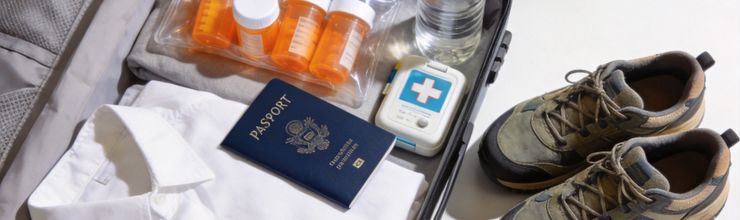
Don’t Let Gout Derail Your Travel Plans
The thought of a gout flare ruining your vacation or business trip is stressful. Whether you are concerned about being far from your doctor, maintaining your diet while traveling, or simply sitting for hours on a plane, travel presents unique challenges for people with gout. To minimize your risk, start by understanding common gout triggers.
The good news? With proper preparation and a few practical strategies, you can significantly reduce your risk of flares and enjoy your travels with confidence. This guide covers everything from pre-trip planning to handling emergencies on the road.
Pre-Trip Planning: Setting Yourself Up for Success
Medical Preparation Before You Go
A few weeks before your trip, take these important steps:
Schedule a Pre-Travel Checkup
Ideally 4-6 weeks before departure:
- Ask your doctor to review your current gout management plan
- Discuss whether your medication doses are appropriate
- Request any necessary prescription adjustments for travel
- Get blood work if due to ensure your uric acid is at goal
- Discuss whether you should carry a short course of flare medication
Get Documentation
Essential documents to prepare:
- Letter from your doctor: Explaining your medical condition and medications
- Prescription copies: For all medications you are carrying
- Insurance information: Including international coverage if traveling abroad
- Emergency contacts: Your rheumatologist phone number and office address
- List of allergies: Any drug allergies written clearly
Research Medical Care at Your Destination
Before you go:
- Identify hospitals or clinics near where you will be staying
- Check if your health insurance covers care at your destination
- Consider travel insurance that covers pre-existing conditions
- Learn the local emergency number (911 in the US, 112 in Europe, etc.)
- Find out if pharmacies at your destination carry your medications
Medication Management While Traveling
Packing Your Medications
How you pack your medications matters:
Essential Medication Rules
- Pack medications in original bottles: With labels intact showing your name and prescription details
- Carry medications in your carry-on bag: Not in checked luggage (which can get lost or exposed to temperature extremes)
- Bring more than you think you will need: Aim for a few extra days worth in case of delays
- Carry flare medication separately: Keep nonsteroidal anti-inflammatory drugs (NSAIDs), colchicine, or steroids easily accessible
- Keep medications in their original packaging: Especially for international travel through customs
Organizing Your Medication Kit
Create a dedicated travel medication kit containing:
- All prescription gout medications
- Pain relievers (NSAIDs or acetaminophen)
- Anti-inflammatory medications for flares
- Prescription prednisone or colchicine if prescribed
- Cold packs (instant cold packs can be helpful)
- Any supplements you take (vitamin C, cherry extract, etc.)
- Basic first aid supplies
Flying with Gout Medication
Air travel presents specific considerations:
Security Screening
- Medications are allowed through security in reasonable quantities
- Declare medications at security checkpoints
- Keep medications in original packaging with labels
- Liquid medications exceeding 3.4 ounces need documentation
- Request a visual inspection if asked to open medication bottles
In-Flight Comfort
- Choose aisle seats when possible for easier movement
- Get up and walk around every 1-2 hours on long flights
- Do ankle circles and toe movements while seated
- Stay hydrated, drink water throughout the flight
- Avoid alcohol on airplanes
- Consider compression socks for long flights to prevent swelling
Time Zone Changes
Adjusting medication timing when crossing time zones:
- Discuss a plan with your doctor before traveling
- Generally, maintain the same interval between doses
- Set phone alarms to remind you to take medications
- Use a pill organizer with compartments for each day doses
- For short trips, some people prefer to stay on home time
Managing Your Diet While Traveling
Dining Out Strategies
Travel often means eating out more. Here is how to stay gout-friendly:
Research Restaurant Options
- Look up menus online before choosing restaurants
- Identify places with healthy, protein-rich options
- Ethnic restaurants often have good vegetable-forward dishes
- Steakhouses and seafood buffets are high-risk, choose wisely
Ordering Strategies
- Choose grilled, baked, or roasted proteins over fried
- Ask for double vegetables instead of starches
- Request sauces and dressings on the side
- Choose vinaigrette-based dressings over cream-based ones
- Do not hesitate to ask about ingredients or request modifications
Foods to Emphasize While Traveling
- Fresh fruits and vegetables (especially cherries)
- Salads with lean protein
- Grilled fish or chicken
- Legume-based dishes (when prepared gout-friendly)
- Water with lemon or cucumber slices
Foods to Approach With Caution
- Red meat in large portions
- Shellfish and certain fish (anchovies, sardines, mackerel)
- Organ meats (often in gravy and sauces)
- Alcoholic beverages
- Sugary drinks and desserts
- Yeast extracts (sometimes in spreads and sauces)
Snacking on the Go
Pack gout-friendly snacks for travel. For more tips on managing gout while away from home, explore our gout lifestyle resources.
- Raw nuts (almonds, walnuts)
- Dried fruit (cherries, apricots)
- Fresh fruit (bananas, apples)
- Low-fat string cheese
- Hard-boiled eggs
- Whole grain crackers with hummus
- Nut butter packets
Hydration: Your Secret Weapon
Why Hydration Matters More When Traveling
Travel increases dehydration risk through multiple factors:
- Airplane cabins have very low humidity (often below 20%)
- Changes in routine can disrupt normal drinking habits
- Increased physical activity (sightseeing, walking) raises fluid needs
- Alcohol consumption often increases while traveling
- Climate changes (especially to warmer destinations) increase fluid needs
Dehydration concentrates uric acid in your blood and is a well-known flare trigger. Keeping well-hydrated is one of the most effective steps you can take to prevent travel-related flares.
Staying Hydrated While Traveling
On Airplanes
- Drink water consistently throughout the flight
- Aim for 8 ounces of water every 1-2 hours while flying
- Avoid alcohol and caffeine, which are dehydrating
- Apply moisturizer to skin; the dry air causes moisture loss
- Consider using saline nasal spray to combat dryness
On Road Trips
- Pack a reusable water bottle and refill regularly
- Aim to drink a cup of water every hour while driving
- Keep ice water cold in a cooler
- Avoid gas station sodas and sugary drinks
- Stop for bathroom breaks, they are a sign you are drinking enough
At Your Destination
- Make water easily accessible in your hotel room
- Set phone reminders to drink water
- Carry a water bottle while sightseeing
- Monitor urine color, pale yellow indicates good hydration
- Increase water intake in hot or humid climates
Managing Activity and Rest
Finding the Balance
Travel often involves more walking and activity than your normal routine:
- Break up long periods of walking: Rest every 30-45 minutes
- Choose comfortable, supportive footwear: This is essential for people with gout
- Bring a backup pair of shoes: In case your feet swell or you need to rest one pair
- Plan rest days: If your trip is more than 3-4 days, schedule lighter days
- Do not overdo it: It is a vacation, not a marathon
Walking and Exercise While Traveling
Staying active supports gout management even while away:
- Take morning walks at your destination
- Swim if your accommodation has a pool (great low-impact exercise)
- Use hotel fitness centers for brief workouts
- Take stairs when possible (but rest if joints are sore)
- Do gentle stretching in your hotel room
Recognizing Early Warning Signs
Be alert to early signs of a developing flare:
- Mild discomfort in a joint that usually flares
- Slight warmth or redness in a previously affected joint
- Feeling more fatigued than activity warrants
- Any unusual joint sensations, address them immediately
At the first sign of a flare:
- Rest the affected joint immediately
- Apply cold compress if swelling begins
- Take anti-inflammatory medication if you have it
- Increase water intake
- Consider reducing activity level for a day
- Seek medical care if symptoms worsen
Emergency Planning
Be prepared for the unexpected by reviewing our medication guide to understand your options when traveling.
Being Prepared for the Unexpected
Create an Emergency Action Plan
Before you travel, establish:
- What to do if a flare starts (step-by-step plan)
- When to seek medical care (what symptoms warrant urgent attention)
- Emergency contacts saved in your phone
- Local emergency services number at your destination
- Nearest hospital or urgent care location
When to Seek Emergency Care
Contact local emergency services or go to an emergency department if you experience:
- Severe, uncontrolled pain not responding to medication
- Signs of infection (fever, increasing redness, red streaks)
- Joint that is hot, swollen, and you cannot bear weight
- Difficulty moving a joint
- Any symptoms affecting your ability to function safely
Using Telemedicine While Traveling
Telemedicine can be a valuable resource when traveling:
- Many insurance plans offer telehealth services
- Your regular doctor may be able to do a video visit
- Some services offer 24/7 access to physicians
- This can help determine if you need in-person care
- Prescriptions can sometimes be sent to local pharmacies
Travel by Type: Specific Tips
Short Weekend Trips
- Maintain your medication schedule rigorously
- Bring your full medication kit, including flare medication
- Choose restaurants with gout-friendly options in advance
- Keep activities light to moderate
- Prioritize sleep and rest
Extended Vacations (One Week or More)
- Plan for medication refills if needed
- Research grocery stores or markets at your destination
- Schedule at least one rest day per week
- Monitor yourself more closely as fatigue builds
- Consider shipping supplies ahead rather than packing everything
Business Travel
- Maintain routine as much as possible
- Choose hotels with fitness facilities
- Request healthy food options for hotel stays
- Do not skip medication doses due to busy schedules
- Plan for jet lag and adjust gradually
Frequently Asked Questions
- Can flying trigger a gout flare?
- Flying itself does not directly cause flares, but factors associated with flying can contribute. Dehydration on planes, prolonged immobility, alcohol consumption, and stress can all increase flare risk. Stay well-hydrated, move your legs and feet regularly during flights, and avoid alcohol to minimize risk.
- Should I adjust my gout medication when traveling to a different climate?
- Generally, you do not need to change your medication for climate changes alone. However, hot climates increase your risk of dehydration, which can trigger flares. Increase your water intake significantly in hot weather, and monitor for early signs of flares. Discuss any concerns with your doctor before travel.
- What if I run out of my medication while traveling?
- Contact your doctor office, many can call in emergency prescriptions to pharmacies. If you are traveling domestically, you may be able to get a refill at a local pharmacy with your prescription information. For international travel, locate a local pharmacy and see if your medication is available (bring a prescription note from your doctor). As a last resort, seek care at a local clinic or hospital.
- Is it safe to drink alcohol while traveling with gout?
- Alcohol—especially beer and spirits—increases gout flare risk and should be limited or avoided. If you choose to drink, do so in moderation, stay well-hydrated by alternating water with alcoholic beverages, and avoid drinking during acute flares or in the days leading up to a potential flare.
- How do I handle gout when crossing multiple time zones?
- Work with your doctor to create a plan before travel. Generally, maintain the same interval between medication doses rather than trying to match your dosing to local time immediately. Set phone alarms to remind you to take medications. For short trips (1-3 days), some people prefer to take medications at their normal home times to maintain consistency.
Related: Gout Triggers | Exercise and Gout | Sleep and Gout
Frequently Asked Questions
Can flying trigger a gout flare?
Flying itself does not directly cause flares, but factors associated with flying can contribute. Dehydration on planes, prolonged immobility, alcohol consumption, and stress can all increase flare risk. Stay well-hydrated, move your legs and feet regularly during flights, and avoid alcohol to minimize risk.
Should I adjust my gout medication when traveling to a different climate?
Generally, you do not need to change your medication for climate changes alone. However, hot climates increase your risk of dehydration, which can trigger flares. Increase your water intake significantly in hot weather and monitor for early signs of flares. Discuss any concerns with your doctor before travel.
What should I do if I run out of gout medication while traveling?
Contact your doctor’s office—many can call in emergency prescriptions to pharmacies. If traveling domestically, you may be able to get a refill at a local pharmacy with your prescription information. For international travel, bring a prescription note from your doctor. As a last resort, seek care at a local clinic or hospital.
Is it safe to drink alcohol while traveling with gout?
Alcohol—especially beer and spirits—increases gout flare risk and should be limited or avoided while traveling. Wine carries somewhat lower risk, but no alcohol is truly safe for people with gout. Managing alcohol intake while traveling is one of the most important steps you can take to prevent flares away from home.
References
- Jin M, Yang F, Yang L, et al. Uric acid as a key factor in the pathogenesis of gout and hyperuricemia (high uric acid levels). Front Immunol. 2022;13:940865. PubMed
- American College of Rheumatology. 2020 Guideline for the Management of Gout. Arthritis Care & Research. 2020. PubMed
- Richette P, Doherty M, Pascual E, et al. 2016 updated European Alliance of Associations for Rheumatology (EULAR) evidence-based recommendations for the management of gout. Ann Rheum Dis. 2017;76(1):29-42. PubMed
- Choi HK, Atkinson K, Karlson EW, Willett W, Curhan G. Purine-rich foods, dairy and protein intake, and the risk of gout in men. N Engl J Med. 2004;350(11):1093-1103. PubMed
- Chen-Xu M, Yokose C, Rai SK, Pillinger MH, Choi HK. Contemporary Prevalence of Gout and Hyperuricemia in the United States. Arthritis Rheumatol. 2019;71(5):764-770. PubMed
Reviewed by the GoutSavvy Editorial Team