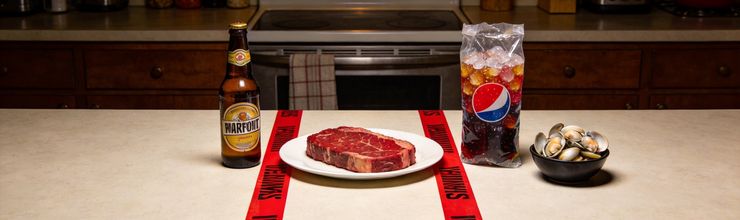
Most people with gout know that red meat, seafood, and alcohol can trigger flares. But there are many lesser-known triggers that surprise patients, and understanding all of them gives you better control over this condition.
What Actually Triggers a Gout Flare?
A gout flare occurs when your immune system reacts to monosodium urate (uric acid crystals) (MSU) crystals that have accumulated in your joints. Certain factors can either:
1. Increase uric acid production
2. Decrease uric acid excretion
3. Trigger inflammatory pathways that “awaken” dormant crystals
Any of these can start a flare, even if your uric acid level appears “normal.”
10 Surprising Gout Triggers
1. Dehydration
Not drinking enough water reduces your kidneys’ ability to excrete uric acid. Concentrated urine means uric acid can crystallize in your urinary tract, and systemic dehydration can shift the equilibrium in your joints toward crystal deposition.
The surprise: You don’t have to be severely dehydrated. A day of inadequate water intake during hot weather or exercise can be enough.
Tip: Aim for 8-10 glasses of water daily. Increase intake during exercise or hot weather.
2. Crash Diets and Rapid Weight Loss
While weight loss is generally recommended for people with gout, losing weight too quickly can actually trigger flares. During rapid fat breakdown, your body releases purines from dying fat cells, flooding your system with uric acid.
The surprise: You can lose weight too fast. A safe rate is 1-2 pounds per week.
Tip: Work with your doctor on a gradual, sustainable weight loss plan. Consider continuing urate-lowering therapy during weight loss.
3. Aspirin (Even Low-Dose)
Low-dose aspirin inhibits uric acid excretion by the kidneys. While the cardioprotective benefits of aspirin often outweigh this risk, it can be a hidden trigger for some patients.
The surprise: Taking even one baby aspirin (81 mg) can elevate uric acid levels within 48 hours in susceptible individuals.
Tip: Avoid stopping aspirin without consulting your doctor. If aspirin triggers your flares, discuss alternatives with your cardiologist.
4. Diuretics (Water Pills)
Thiazide diuretics like hydrochlorothiazide are a well-known gout trigger, but many patients don’t realize they’re taking them. They’re commonly prescribed for:
– High blood pressure
– Heart failure
– Kidney stones
The surprise: Even combination pills (like some hypertension medications) contain diuretics you might not recognize.
Tip: Review all your medications with your doctor. If possible, switch to a non-diuretic blood pressure medication.
5. Stress (Physical or Emotional)
Stress increases cortisol levels, which can:
– Raise uric acid production
– Trigger inflammation
– Disrupt sleep (nighttime flares are common)
The surprise: Many patients report flares following stressful events, job loss, family conflicts, even exciting life events.
Tip: Practice stress management techniques. Prioritize sleep. Consider discussing flare prevention strategies during stressful periods.
6. High-Fructose Corn Syrup
Fructose is metabolized differently than other sugars, it directly increases uric acid production through ATP depletion. High-fructose corn syrup (HFCS) is found in:
– Regular soda
– Fruit drinks and “ade”
– Many processed foods
– Some yogurt brands
– Bread and condiments
The surprise: “Natural” fruit juices with added sugar can be as problematic as soda. Even significantly fruit juice raises fructose load.
Tip: Read labels. Choose water, unsweetened tea, or coffee over sweetened beverages.
7. Vitamin B3 (Niacin)
While niacin is essential and sometimes prescribed for cholesterol management, high doses can trigger gout. Niacin increases uric acid production and competes with uric acid for kidney excretion.
The surprise: This includes niacin from supplements, energy drinks, and fortified foods, not just prescription niacin.
Tip: Don’t avoid foods with naturally occurring niacin. Be cautious with supplements containing more than the RDA (18 mg/day for men, 14 mg/day for women).
8. Joint Trauma or Surgery
Even minor joint trauma can trigger a gout flare. This includes:
– Stubbing your toe
– Wearing tight shoes
– Jogging on hard pavement
– Post-surgical inflammation
The surprise: A pedicure or even a foot massage has triggered flares in some patients. The trauma doesn’t have to be severe.
Tip: Protect your feet. Discuss flare prophylaxis with your doctor before any surgical procedure.
9. Certain Cancer Treatments
Chemotherapy causes massive cell death, releasing purines from dying cells. This can cause a sudden uric acid surge — and gout flares are common during cancer treatment.
The surprise: Patients may experience gout flares as a first sign of certain cancers, due to rapid cell turnover.
Tip: Oncologists often prescribe allopurinol during chemotherapy to prevent tumor lysis syndrome and associated gout.
10. Changes in Altitude or Air Pressure
Some patients report flares when traveling to high altitudes or during weather changes. The mechanism isn’t fully understood, but may involve:
– Changes in joint fluid dynamics
– Dehydration at altitude
– Barometric pressure effects on crystal deposition
The surprise: You might blame that “extra beer” on vacation when the altitude change was actually the culprit.
Tip: Stay extra hydrated when traveling. Give your body time to acclimate.
Hidden Dietary Triggers to Watch
Beyond the obvious purine-rich foods, watch out for:
| Hidden Trigger | Found In |
|---|---|
| Yeast extracts | Vegemite, Marmite, some gravies |
| Anchovy extract | Worcestershire sauce, some gravies |
| Game meats | Venison, bison, rabbit (very high in purines) |
| Organ meats in processed foods | Some frozen foods, pet foods |
| Concentrated bouillons | Instant soup packets, stock cubes |
Medication Triggers to Review
Common prescriptions that may raise uric acid:
– Blood pressure medications: Thiazides, beta-blockers, ACE inhibitors
– Immunosuppressants: Cyclosporine, tacrolimus
– Levodopa: For Parkinson’s disease
– Chemotherapy agents: Various
Important: Avoid stopping prescribed medications without consulting your doctor. Discuss alternatives if you suspect a medication is triggering flares.
Managing Multiple Triggers
Most people with gout have multiple potential triggers. The goal isn’t to avoid everything — it’s to:
1. Identify your personal triggers through tracking
2. Manage what you can (diet, hydration, stress)
3. Maintain urate-lowering therapy to prevent crystal deposition
4. Have a flare plan ready if triggers are unavoidable (such as before surgery)
Keeping a Flare Diary
Tracking your flares and potential triggers helps identify patterns. Record:
– Date and time of flare
– Joint(s) affected
– Severity (1-10)
– What you ate/drank that day
– Medications taken
– Stress level
– Sleep quality
– Any injuries or triggers
This information helps your doctor tailor your treatment plan.
The Bottom Line
While you can’t control genetics or avoid all potential triggers, understanding what can spark a flare helps you make informed decisions. Work with your healthcare provider to:
– Review medications for hidden triggers
– Develop safe strategies for weight loss
– Create a hydration plan
– Have a flare management protocol ready
– Consider urate-lowering therapy if triggers cause frequent flares
With the right knowledge and treatment plan, most people with gout can live full, active lives.
Understanding your personal triggers is key to managing gout. Learn more about gout causes and risk factors. For dietary strategies to complement trigger avoidance, see our complete gout diet guide.
Frequently Asked Questions
What foods trigger gout the most?
Organ meats (liver, kidney), certain seafood (anchovies, sardines, shellfish), and high-fructose foods are the biggest dietary triggers. Red meat and beer also raise uric acid significantly. Not everyone reacts the same way, so tracking your personal triggers with a food diary can help you identify your specific problem foods.
Can I ever eat steak or seafood again?
Yes, in moderation. A small portion of lean red meat (3–4 oz) once or twice a week is usually fine for most people with gout. The key is balancing purine-rich foods with plenty of water, low-fat dairy, and vegetables. Talk to your doctor about what portions work for your uric acid levels.
Do vegetables high in purines cause gout attacks?
No. Research consistently shows that purines from plant sources — even high-purine vegetables like spinach, mushrooms, and lentils — do not increase gout risk. Only animal-derived purines significantly raise uric acid levels. This is one of the most common misunderstandings about gout diets.
How much water should I drink to prevent gout?
Most rheumatologists recommend at least 8 glasses (64 oz) of water daily. Staying well-hydrated helps your kidneys flush out excess uric acid. During a flare, increasing fluid intake can help speed recovery. Coffee and low-fat milk also have mild uric-acid-lowering effects.
References
- Choi HK, Willett W, Curhan G. Fructose-rich beverages and risk of gout in women. JAMA. 2010;304(20):2270-2278. PubMed
- American College of Rheumatology. 2020 Guideline for the Management of Gout. Arthritis Care & Research. 2020. PubMed
- Richette P, et al. 2016 updated European Alliance of Associations for Rheumatology (EULAR) evidence-based recommendations for the management of gout. Ann Rheum Dis. 2017;76(1):29-42. PubMed
- Singh JA, et al. 2012 American College of Rheumatology Guidelines for Management of Gout. Arthritis Care Res. 2012;64(10):1447-1461. PubMed
- Chen-Xu M, Yokose C, Rai SK, Pillinger MH, Choi HK. Contemporary Prevalence of Gout and Hyperuricemia (high uric acid levels) in the United States. Arthritis Rheumatol. 2019;71(5):764-770. PubMed
Reviewed by the GoutSavvy Editorial Team