You wake up at 3 AM. Your big toe feels like someone wrapped it in a vise and cranked it tight. You already know what’s happening. Another gout flare.
For years, the only way to know your uric acid was to visit a lab for a blood draw or prick your finger with a home meter. Neither option is fun. And neither tells you what’s happening in real time.
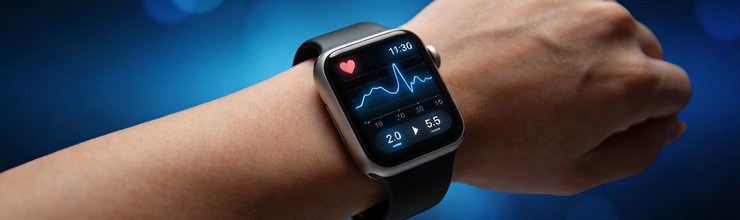
But what if your watch could read your uric acid? Not blood. Not a needle. Just a sensor on your wrist.
That’s not science fiction anymore. Three research teams published new work in 2026 showing it’s possible to track uric acid without drawing blood. Here’s where the technology stands today, and what it means if you’re managing gout.
Why Blood Draws Aren’t Great for Tracking Gout
Most people with gout get their uric acid checked through a standard blood test. Your doctor draws blood, sends it to a lab, and you get a number back a few days later.
Here’s the thing. Uric acid doesn’t sit still. It moves around based on what you ate, how much water you drank, and when you took your medication. A single blood test gives you a snapshot. But gout doesn’t happen in snapshots.
Some people use a home uric acid meter, the same way someone with diabetes checks blood sugar. You prick your finger, put a drop of blood on a test strip, and get a reading in minutes. It works. But you’re still poking holes in yourself, and the test strips cost money. Most insurance plans don’t cover them.
So most people check every few months and hope for the best in between. For more on why regular monitoring matters, see Uric Acid Testing at Home: What You Need to Know.
What’s New: Watches That Read Your Sweat
In June 2026, a research team from the Chinese Academy of Sciences published a study in Biosensors and Bioelectronics. They built a wearable device the size of a wristwatch that can detect uric acid in sweat.
The trick is a material called a nanozyme. It’s not a real enzyme. It’s a synthetic nanostructured material made from copper-doped cobalt aluminum oxide. Think of it as a tiny chemical antenna that picks up uric acid molecules in your sweat and turns them into a signal you can read.
The team, led by Professor Jiang Changlong, designed the nanozyme with an ultrathin hexagonal structure that exposes more surface area for chemical reactions. The result: detection efficiency dozens of times higher than natural enzymes.
They built a colorimetric sensing system that detects cholesterol, uric acid, and glucose all at once. It analyzes sweat within 10 minutes. Then they paired it with smartphone imaging and AI analysis, and wrapped the whole thing into a wristwatch.
“It’s like giving a wristwatch the ability to read your sweat, providing a convenient and noninvasive way to monitor physiological conditions,” Professor Jiang said.
A Patch That Detects Four Biomarkers at Once
Around the same time, a different team published in ACS Applied Materials & Interfaces. Researchers from the University of Alberta built a flexible sensor patch using a technique called SERS (surface-enhanced Raman spectroscopy).
Their patch detects four gout-related biomarkers in sweat at the same time: uric acid, xanthine, hypoxanthine, and creatinine. Why does that matter? Because xanthine and hypoxanthine are the chemical precursors to uric acid. If you can track all of them together, you get a fuller picture of what your body’s purine metabolism is doing.
The sensor is made from silver nanostructures grown on a flexible silicone surface. It can stretch up to 50 percent without losing signal, which matters if you want to wear it while moving around.
The team tested it on real human sweat and found uric acid in 16 out of 20 samples. They also caught diet-induced changes in uric acid levels. The detection limit was 5 micromolar for uric acid, which was twice as sensitive as the unmodified version.
Non-Invasive Monitors Already in Production
A company called Non-Invasive Smart Testing (NIST) in Tianjin, China, is already running a pilot production line for a device that measures blood sugar, uric acid, and blood ketones without any needles. You touch the device to your body, and it reads biomarkers through your skin using bioelectromagnetic signals combined with AI algorithms.
Their parent company, Top Biotechnology, has been working on non-invasive testing since 2015 and holds more than a dozen patents. They’re building toward community health centers, physical examination facilities, and individual households.
The 2026 Chinese medical consensus on hyperuricemia even mentions wearable sweat-based devices. According to the guidelines, current models achieve real-time uric acid monitoring with an error margin of about ±15 percent. That’s not perfect, but it’s in the ballpark.
Here’s the Reality Check
Before you run out and buy a uric acid smartwatch, let’s slow down.
None of these devices are commercially available as medical-grade products for gout management yet. The nanozyme watch, the SERS patch, and the NIST monitor are all in research or early production stages. There’s a gap between what works in a lab and what works when you’re trying to decide whether to take an extra dose of your medication.
The biggest challenge: sweat uric acid isn’t the same as blood uric acid. With continuous glucose monitors for diabetes, the relationship between skin-interstitial glucose and blood glucose is well established. For uric acid, that link isn’t as clean.
Sweat uric acid levels are much lower than blood levels. They’re affected by hydration, temperature, how much you’re sweating, and individual skin chemistry. The University of Alberta team found uric acid in 16 of 20 sweat samples. That means they missed it in 4 samples, possibly because the concentration dropped below detection.
For someone managing gout, what matters is your blood uric acid level. Treatment targets are based on blood levels. You want serum uric acid below 6 mg/dL, or below 5 mg/dL if you have tophi. If a wearable tells you your sweat uric acid is X, you need to know what that means for your actual blood level. Right now, we don’t have that conversion nailed down.
What You Can Do Right Now
While wearable technology catches up, here’s what actually works for keeping tabs on your uric acid:
Get blood tests every 3 to 6 months. If you’re on urate-lowering therapy like allopurinol or febuxostat, regular blood work tells you whether your dose needs adjusting. For more on what your numbers mean, check Understanding Your Blood Test: Uric Acid Numbers Explained.
Consider a home uric acid meter. It’s not as convenient as a watch, but it gives you real numbers between lab visits. Useful if you’re trying to figure out how certain foods affect your levels.
Track your flare patterns. Sometimes the best monitor is paying attention to your body. If you notice flares after specific meals or activities, that tells you something your lab test might miss. Learn more about recognizing Early Warning Signs of Gout.
Stay hydrated. Dehydration concentrates uric acid in your blood. Drinking enough water is one of the simplest things you can do. See Dehydration & Gout: Why Your Joints Pay the Price.
The wearable technology is exciting. But the basics still work. Take your medication, drink your water, and keep those lab appointments. The smartwatch will come eventually. Until then, you’ve got tools that work today.
Frequently Asked Questions
Can I monitor my uric acid without a blood draw?
Not yet with clinical accuracy. Researchers have built wearable sweat sensors that detect uric acid, but these devices are still in the research stage. Home uric acid meters that use a finger-prick blood sample are available now and give you real numbers between lab visits.
How accurate are wearable uric acid monitors?
The latest prototypes show promise but have limitations. The Chinese Academy of Sciences wristwatch can detect uric acid in sweat within 10 minutes. The University of Alberta patch detected uric acid in 80 percent of sweat samples tested. Neither device has been validated against blood uric acid testing in large clinical trials, and sweat uric acid doesn’t directly equal blood uric acid.
When will wearable uric acid monitors be available to buy?
Some non-invasive monitoring devices are entering early commercialization in China, but no wearable uric acid monitor has received regulatory approval as a medical device for gout management. Based on current timelines, clinically validated products may be 2 to 3 years away.
What’s a good uric acid level if I have gout?
For most people with gout, the target is below 6 mg/dL (360 μmol/L). If you have visible tophi or frequent flares, your doctor may aim for below 5 mg/dL (300 μmol/L). These targets come from clinical guidelines because they’re the levels where uric acid crystals start to dissolve rather than accumulate.
Does sweat uric acid match blood uric acid?
Not exactly. Sweat uric acid concentrations are much lower than blood levels, and they’re influenced by factors like hydration, temperature, and skin chemistry. Researchers are working on establishing reliable correlations, but a sweat reading cannot yet replace a blood test for gout treatment decisions.
References
- Jiang C, et al. “Cascade-amplified 2D ultrathin hexagonal Cu-doped LDO nanozyme for multiplexed wearable monitoring of sweat metabolites.” Biosensors and Bioelectronics, 2026.
- Wu H, et al. “Multiplexed SERS Profiling of Gout Biomarkers in Sweat via Polymer-Mediated Ag Nanoflakes.” ACS Applied Materials & Interfaces, June 2026. DOI: 10.1021/acsami.6c05669.
- “Non-Invasive Smart Testing Co., Ltd. Unlocks the Future of Healthcare with its Non-Invasive Technology.” TEDA Investment Service, June 2026.
- Chinese Medical Association Rheumatology Section. “High Uricemia and Gout Prevention and Treatment Guidelines (2026 Edition).” 2026.
- Callari M. “Extended-Release Febuxostat Beats Standard Drug for Gout in Head-to-Head Trial.” Medscape, June 7, 2026.
Reviewed by the GoutSavvy Editorial Team