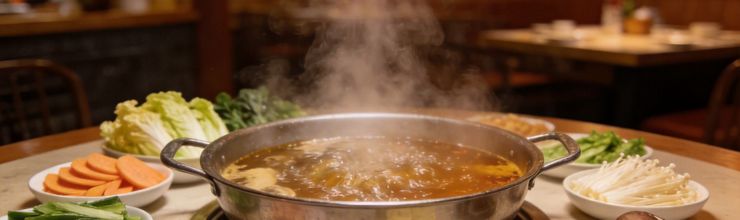
Few culinary experiences match the joy of gathering around a bubbling hot pot with friends and family. The communal nature, endless combinations of ingredients, and interactive cooking make hot pot a beloved tradition across many Asian cultures and beyond.
But if you have gout, hot pot might seem like a minefield. The broth simmers for hours, concentrating purines. Every dipping sauce adds flavor, and potentially uric acid. And the social pressure to indulge can feel overwhelming.
The good news? With smart choices and a practical strategy, you can absolutely enjoy hot pot while managing your gout effectively. This guide shows you exactly how.
Understanding the Hot Pot Challenge
Before diving into strategies, it’s important to understand why hot pot presents unique challenges for people with gout:
The Broth Problem
Traditional hot pot broth is made by simmering meat, bones, and seafood for extended periods. This process:
- Concentrates purines: The longer the simmer, the higher the purine content
- Extracts nucleotides: Compounds that rapidly convert to uric acid
- Creates MSG-rich liquid: Flavor enhancers that may increase appetite for high-purine foods
The data: Studies show that meat-based broths can contain 150-300 mg of purines per 100 mL. Compare this to plain water (< 5 mg) or most beverages.
The Dipping Sauce Trap
Dipping sauces are where many people with gout unknowingly sabotage themselves:
- Soy sauce: Contains moderate purines and is extremely high in sodium
- Oyster sauce: Made from oysters (high-purine seafood)
- Sesame oil: While low in purines, very calorie-dense
- Compound effect: Most people use 3-5 sauces, multiplying any individual risk
The Food Volume Issue
Hot pot encourages overconsumption through:
- All-you-can-eat format: Encourages eating beyond satiety
- Social eating: Watching others eat increases your own consumption
- Variety temptation: The more options, the more likely to overindulge
- Extended dining time: Longer meals correlate with higher intake
Building a Gout-Friendly Hot Pot Strategy
Step 1: Choose Your Broth Wisely
The foundation of your hot pot experience starts with broth selection:
Best choices:
- Vegetable or mushroom broth: Extremely low purines; many mushrooms actually have beneficial properties
- Tomato-based broth: Low purines with added lycopene benefits
- Light chicken or pork broth: If meat-based, choose clear broths and limit serving size
- Mild seasoning: Request reduced sodium and MSG
What to avoid:
- Dark, concentrated broths (indicates long simmering with high-purine ingredients)
- “Premium” broths that list organ meats, marrow bones, or seafood prominently
- Any broth that has been continuously reheated and reused
Critical rule: Avoid drink the broth. Even the most carefully selected broth will contain concentrated purines from whatever ingredients are cooked in it.
Step 2: Select Your Proteins Strategically
Protein selection is where most hot pot enthusiasts get into trouble. Here’s a practical framework:
Safe proteins (gout-friendly):
- Eggs: Zero purines; excellent protein source
- Tofu and soy products: Very low purines; complete plant protein
- Fish (white fish like tilapia, cod): Moderate purines but excellent protein; limit to 3-4 ounces
- Skinless chicken breast: Lower purines than dark meat; limit to 3-4 ounces
- Pork tenderloin: Lean cuts are reasonable options
Caution proteins (limit portions):
- Beef: Moderate purines; limit to 3-4 ounces
- Lamb: Similar to beef; same portion guidelines
- Shrimp: Moderate purines; 4-5 pieces maximum
- Scallops: Moderate purines; 3-4 pieces maximum
Avoid proteins (high purine):
- Offal and organ meats: Liver, kidney, brain, tripe, extremely high purines
- Shellfish: Oysters, mussels, clams, crab, lobster, high purines
- Anchovies and small fish: Used as broth seasoning; very concentrated
- Processed meats: Hot dogs, sausages, fish balls, additives may increase purine absorption
Step 3: Load Up on Vegetables
Vegetables should make up the majority of your hot pot selections:
Excellent choices:
- Leafy greens: Bok choy, Napa cabbage, lettuce, spinach (moderate purines but high volume)
- Root vegetables: Carrots, radishes, turnips, potatoes, filling and low purines
- Summer squash: Zucchini, winter melon, very low purines
- Mushrooms: Button, shiitake, oyster (moderate purines but contain beneficial compounds)
- Corn and lotus root: Moderate purines; can eat small amounts
Practice tip: Fill your plate half with vegetables before selecting proteins. This naturally limits high-purine options.
Step 4: Master the Dipping Sauce
Create a gout-friendly dipping sauce profile:
Base ingredients (safe):
- Fresh herbs: Cilantro, scallions, ginger
- Garlic (anti-inflammatory)
- Lime or lemon juice
- Black vinegar (alkalizing)
- Small amount of chili or pepper (anti-inflammatory capsaicin)
Ingredients to minimize:
- Soy sauce (high sodium, some purines), use sparingly or substitute coconut aminos
- Sesame oil, high calories but low purines; fine in small amounts
- Oyster sauce, avoid or use minimal amounts
- Broad bean paste, very high purines; avoid
The golden rule: More herbs and less sauce. Fresh aromatics add tremendous flavor without purine concerns.
Step 5: Plan Your Portions
Before you start eating, mentally divide your meal:
- 50% vegetables: Unlimited low-purine vegetables
- 25% proteins: Total protein limit of 4-6 ounces combined
- 25% carbs: Glass noodles, tofu, small portions of potato or lotus root
This isn’t about strict measurement, it’s about awareness. Most people vastly underestimate their portions when dining socially.
Making It Work in Different Scenarios
Family Gatherings
When hot pot is at someone’s home:
- Offer to help prepare vegetable selections
- Request a separate vegetable-only broth if possible
- Politely decline the most problematic ingredients
- Focus on the social experience rather than eating large quantities
Restaurant Dining
At hot pot restaurants:
- Choose establishments with clear or vegetable broth options
- Order à la carte rather than all-you-can-eat to control portions
- Ask about broth ingredients and preparation
- Many restaurants now offer “healthy” or “light” broth options
Business Dinners
In professional settings:
- Eat a small, protein-rich meal beforehand
- Focus on conversation rather than food
- Select from the most gout-friendly options visibly
- You can always “pick at” food without eating large quantities
Smart Hot Pot Ordering Guide
| Ingredient Category | Recommended | Limited | Avoid |
|---|---|---|---|
| Broth Base | Vegetable, mushroom, tomato | Light chicken, pork | Bone marrow, seafood, organ meat |
| Meat | Eggs, tofu, skinless chicken | Beef, lamb, pork tenderloin | Offal, processed meats |
| Seafood | None needed | White fish, shrimp (small portions) | Shellfish, oily fish, mollusks |
| Vegetables | All leafy greens, squash, root vegetables | Mushrooms (moderate) | None specifically; enjoy freely |
| Carbs | Tofu skin, glass noodles | Regular noodles, lotus root | None specifically |
| Dips | Herbs, citrus, vinegar | Light soy sauce, sesame oil | Oyster sauce, bean paste |
Recovery Strategies
If You’ve Indulged More Than Planned
It happens. Here’s how to minimize the impact:
- Immediately increase water intake: 3-4 liters over the next 24 hours
- Consider extra vitamin C: 500-1,000 mg may help with uric acid metabolism
- Avoid alcohol: Especially beer, for at least 48 hours
- Rest and elevate: Reduce inflammation and support recovery
- Monitor for early flare signs: Catching symptoms early allows faster intervention
When to Consider Prophylactic Medication
If you know you’ll be attending a hot pot gathering and have a history of triggered flares:
- Consult your doctor about taking colchicine prophylactically
- Low-dose colchicine (0.6 mg) before the meal and 12 hours after may prevent flares
- nonsteroidal anti-inflammatory drugs (NSAIDs) can also be used preventively but carry their own risks
- Avoid make this a regular practice, prophylaxis should be occasional
Alternative Hot Pot Approaches
Vegetarian Hot Pot
Many restaurants now offer vegetarian or seafood-free hot pot options:
- Rich vegetable broth with mushrooms and herbs
- Tofu, seitan, and plant-based proteins
- Focus on fresh vegetables and interesting dipping sauces
- Often more flavorful due to herb and spice variety
At-Home Hot Pot
Making hot pot at home gives you complete control:
- Prepare separate vegetable and protein broths
- Control ingredient quality and portions
- Create customized dipping sauces without problematic ingredients
- Make it a regular healthy tradition rather than a rare indulgence
Psychological Strategies for Social Dining
Managing gout at social events is as much about mindset as food selection:
Reframe Your Thinking
- Focus on the experience of hot pot, the cooking, the conversation, the atmosphere
- Consider food as accompaniment to socializing, not the main event
- Small portions of quality ingredients can be more satisfying than large quantities of average ones
Handle Questions and Comments
Others may notice and comment on your eating habits:
- “I’m focusing on vegetables tonight” is a simple, non-committal response
- “I’m watching my portions” is universally understood
- You don’t owe anyone an explanation of your medical conditions
Practice Ahead of Time
Before attending a hot pot event:
- Mentally review the “safe” options at your usual restaurant
- Plan your broth choice and protein portions
- Consider bringing a gout-friendly dipping sauce to share
The Bottom Line
Hot pot doesn’t have to be a forbidden pleasure for people with gout. With thoughtful planning and strategic choices, you can fully participate in this beloved dining tradition while keeping your uric acid in check.
Remember these key principles:
- Broth matters: Choose vegetable or light broth; Avoid drink the broth
- Vegetables first: Fill half your plate with non-starchy vegetables
- Protein portions: Limit total protein to 4-6 ounces; choose wisely
- Dipping sauces: Emphasize fresh herbs over salty, purine-rich sauces
- Hydrate: Increase water intake before and after
- Recover strategically: Extra fluids and monitoring if you’ve overindulged
Hot pot is about connection—cooking together, sharing stories, and enjoying each other’s company. When you focus on the social experience rather than the quantity of food, you’ll find that managing gout at hot pot isn’t difficult at all.
Gather your friends, choose your ingredients wisely, and enjoy the warmth and community that hot pot brings—all while taking care of your health.
Frequently Asked Questions
What foods trigger gout the most?
Organ meats (liver, kidney), certain seafood (anchovies, sardines, shellfish), and high-fructose foods are the biggest dietary triggers. Red meat and beer also raise uric acid significantly. Not everyone reacts the same way, so tracking your personal triggers with a food diary can help you identify your specific problem foods.
Can I ever eat steak or seafood again?
Yes, in moderation. A small portion of lean red meat (3–4 oz) once or twice a week is usually fine for most people with gout. The key is balancing purine-rich foods with plenty of water, low-fat dairy, and vegetables. Talk to your doctor about what portions work for your uric acid levels.
Do vegetables high in purines cause gout attacks?
No. Research consistently shows that purines from plant sources — even high-purine vegetables like spinach, mushrooms, and lentils — do not increase gout risk. Only animal-derived purines significantly raise uric acid levels. This is one of the most common misunderstandings about gout diets.
How much water should I drink to prevent gout?
Most rheumatologists recommend at least 8 glasses (64 oz) of water daily. Staying well-hydrated helps your kidneys flush out excess uric acid. During a flare, increasing fluid intake can help speed recovery. Coffee and low-fat milk also have mild uric-acid-lowering effects.
Related: Complete Gout Diet Guide | Best Foods for Gout | 7-Day Meal Plan
For comprehensive dietary guidance, see our complete gout diet guide.
Be aware of your personal gout triggers.
References
- PubMed
- PubMed
- Gout and Uric Acid Education Society dietary guidelines
- Academy of Nutrition and Dietetics gout-specific nutrition guidance
- Chen-Xu M, Yokose C, Rai SK, Pillinger MH, Choi HK. Contemporary Prevalence of Gout and Hyperuricemia (high uric acid levels) in the United States. Arthritis Rheumatol. 2019;71(5):764-770. PubMed
- Neogi T, et al. 2015 Gout Classification Criteria. Arthritis Rheumatol. 2015;67(10):2557-2568. PubMed
- Richette P, Doherty M, Pascual E, et al. 2016 updated European Alliance of Associations for Rheumatology (EULAR) evidence-based recommendations for the management of gout. Ann Rheum Dis. 2017;76(1):29-42. PubMed
Reviewed by the GoutSavvy Editorial Team