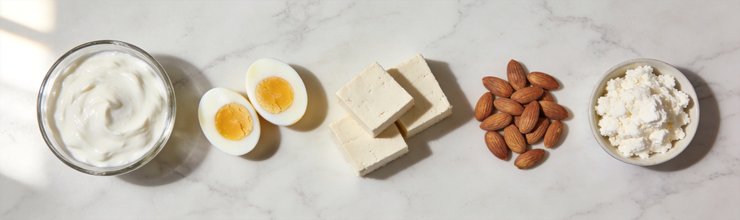
I spent way too long being scared of protein when I had gout. I mean, everything has purines, right? So just… eat less of everything? That’s basically what I did for my first two years with gout, and honestly, looking back, I was probably undereating protein by a lot. My energy was terrible. I felt weak at the gym. And worst of all, I still got flares anyway.
So I started actually looking into the science. What I found surprised me—and I’m guessing it’ll surprise you too.
The Purine Thing Is More Complicated Than “Meat = Bad”
Here’s the thing nobody tells you clearly: not all purines are created equal. The purines in adenine and guanine—the two main ones you’ll find in food—follow different metabolic roads to become uric acid. Adenine, which is particularly abundant in red meat, takes this super direct highway straight to hypoxanthine and then uric acid. Guanine, more common in fish, takes a slightly longer route.
But here’s where it gets weird. Plant purines—even when they technically contain similar-sounding compounds—seem to behave differently in the body. The research suggests that purines locked inside plant food matrices are less bioavailable than the purines in animal muscle tissue. Meaning: 100mg of purines from spinach probably doesn’t hit your uric acid the same way 100mg of purines from beef does.
I know, I know—“but spinach has oxalates too!” Yeah, it does. We’ll get to that. But the point is, the old rule of “just add up all the purines” is probably too simplistic. Your mileage may vary, but the evidence points toward animal purines being the bigger problem.
Related: Best Dairy Choices for Gout — dairy keeps coming up for a reason.
That Athlete Problem (Which Is Also My Problem)
I need to talk about the purine nucleotide cycle because it explains something that confuses a lot of gym bros with gout—including me.
When you do intense exercise, your muscles burn through ATP fast. ADP starts building up, and there’s this metabolic pathway—the purine nucleotide cycle—that kicks in to help regenerate ATP. The byproducts of that cycle are hypoxanthine and inosine, both of which turn into uric acid.
So basically: the harder and more often you train, the more uric acid your body produces just from the workout itself. This is why you’ll see athletes with elevated baseline uric acid levels even when their diet is clean. It’s not just about what they’re eating—it’s about what their muscles are doing.
Honestly, when my rheumatologist told me this, I felt both relieved and annoyed. Relieved because it explained why I was flaring even while eating mostly chicken and rice. Annoyed because it meant I couldn’t just “eat clean” my way out of gout.
Where Purines Actually Hide
Let me cut through the noise and give you the practical breakdown. I’m grouping these by how much I personally worry about each category.
Avoid unless you’re actively trying to flare:
- Organ meats—liver, kidney, sweetbreads. We’re talking 400+ mg per 100g. I don’t eat these anyway, so this one’s easy for me.
- Certain seafood—anchovies, sardines, mackerel, herring. These are the ones that sneak up on you because “fish is healthy, right?” Sure, but not when you’re loading up sardines on toast three times a week.
- Game meats—venison, wild boar. Trendy on restaurant menus, brutal for gout.
Eat carefully, watch portions:
- Red meat (beef, pork, lamb)—150–200 mg per 100g. I have this maybe once a week, max.
- Chicken and turkey—150–175 mg per 100g. Yeah, I know people recommend chicken for gout, and it’s better than red meat, but let’s not pretend it’s low-purine. I stick to 4–6 oz servings.
- Salmon, cod, halibut—100–150 mg per 100g. Fish is tricky. I actually eat more fish than I used to because the omega-3s seem worth it, but I’m careful.
- Shellfish—shrimp, crab, lobster. Similar range. I save these for special occasions.
My actual go-tos most days:
- Dairy—basically zero to 20 mg per 100g, and the protein actually lowers uric acid.
- Eggs—zero purines, full stop. I eat 1–2 eggs most mornings.
- Tofu and plant proteins—varying purine levels, but lower bioavailability makes these better than the numbers suggest.
The people who say “just eat chicken breast every meal” clearly haven’t tried eating chicken breast every meal. After like three days, the thought of it makes you nauseous. So let’s talk about actually building a sustainable high-protein diet that doesn’t make you want to quit.
The Protein Paradox Nobody Talks About
Here’s where it gets genuinely interesting. Some research suggests that high protein intake might actually lower uric acid in certain contexts. How does that make sense?
A few possible mechanisms:
Dairy protein is consistently associated with lower uric acid levels. Specifically, whey protein seems protective. This is wild when you consider that whey comes from milk, which people used to think was inflammatory for gout. The data says otherwise.
Improved insulin sensitivity from higher protein intake might help your kidneys excrete uric acid more efficiently. Insulin and uric acid have this weird relationship—high insulin blocks uric acid excretion, so anything that improves insulin sensitivity indirectly helps.
Displacement effect—when you’re eating Greek yogurt, cottage cheese, and eggs, you’re probably not eating as much red meat and seafood. That’s probably part of why higher protein diets correlate with lower uric acid in some studies.
But—and this is a big but—the source matters more than the amount. Loading up on steak and calling it “high protein” will not end well. The paradox only works if you’re getting your protein from the right sources.
What About Whey Protein? I Get This Question Constantly
I used to worry about this a lot. Whey is from milk, and milk has… stuff. But here’s what the research actually says:
Standard whey supplementation (one scoop, 20–30g) is fine. Dairy protein—including whey—is associated with urate-lowering effects. If you’re using one serving of whey protein daily, the protective dairy effect probably outweighs any theoretical concern.
There was a 2024 case report about a guy taking ~60g whey + creatine daily who developed elevated uric acid. But that’s an extreme dose, not typical use. And creatine itself doesn’t have purines—it works through a separate pathway (it increases intracellular water retention, which can indirectly affect uric acid if you don’t drink enough water).
My take: if you’re worried, use whey isolate, drink extra water, and maybe get your levels checked after a month of supplementation. And please, for the love of your joints, don’t do a creatine loading phase if you’re prone to flares. Just use the maintenance dose (3–5g/day) and stay hydrated.
Building an Actual Day of Eating
Okay, enough theory. Here’s what a gout-friendly high-protein day looks like for me in practice:
Breakfast: Greek yogurt with some berries and maybe a handful of walnuts. About 20g protein, low purine, keeps me full until midday.
Lunch: Usually some kind of chicken or fish with rice and vegetables. I’m trying to keep it to 4–6 oz of the animal protein. Roughly 25g protein.
Snack: Hard-boiled egg or two, maybe with some hummus. Eggs have zero purines. I keep saying this because it’s genuinely great. 15g protein.
Dinner: Baked salmon or some tofu stir-fry. I do tofu more than people expect. Roughly 30g protein.
That’s about 90g protein total. For a 150-pound person, that’s in the healthy range. Some days I hit 100g if I’m extra careful about portions.
Is this perfect every day? No. Some days I eat leftover pasta for lunch. Some days I have two slices of pizza. The point is having a default that works most of the time, not a rigid plan that falls apart the first time life gets in the way.
Plant-Based Eating with Gout: Honest Take
I’m not vegan, but I’ve had stretches where I ate mostly plant-based, so let me share what actually happens.
Plant proteins that work well:
- Tofu and tempeh—I know the purine numbers look scary on paper, but the bioavailability thing I mentioned earlier applies here. Plus, tofu is versatile and filling.
- Legumes—lentils, chickpeas, black beans. Moderate purines, but the fiber and antioxidants probably help offset things.
- Nuts and seeds—basically negligible purines, good fats.
- Dairy alternatives only if fortified. Unfortified almond milk has almost no protein, so it’s not doing much for your goals.
Plant foods that deserve some moderation (not elimination, just… awareness):
- Spinach—I still eat spinach, but not in massive quantities. The oxalate issue might be as big a deal as the purines, honestly.
- Asparagus, mushrooms, cauliflower—I eat these freely in normal portions. “Normal” being the key word.
The vegan crowd online tends to oversell the “plants are always safe” narrative, and the carnivore crowd oversells “plants are secretly killing you.” The truth is somewhere in the middle, like most things.
If You’re an Athlete: The Honest Strategy
I’m going to be real with you. Managing protein intake for performance while managing gout is genuinely difficult—and it connects to why exercise itself can raise uric acid. It’s not impossible, but it’s a real balancing act.
What actually works:
- Choose your supplements wisely. Whey isolate or plant-based over anything meat-based. Collagen is generally fine (low in the problem purines).
- Spread protein throughout the day. Three large protein servings vs. six moderate ones—the latter seems to produce less uric acid spike, at least anecdotally.
- Hydrate aggressively. I mean it. More protein = more nitrogen waste = your kidneys need more water to clear everything. If you’re training hard and not drinking 3+ liters of water daily, you’re asking for trouble.
- Get regular blood tests. Don’t guess. If you’re doing high-protein phases for bodybuilding, you need to know where your uric acid actually sits.
- Consider urate-lowering medication if flares are frequent. This isn’t defeat. This is using the tools available so you can keep training.
For seniors, the protein need actually goes up after 65 (1.0–1.2 g/kg instead of 0.8), which is frustrating because gout risk also increases with age. Dairy protein becomes even more valuable here—it supports both muscle retention and bone density, which are both concerns as you get older.
And for anyone pregnant or breastfeeding—your protein needs jump to about 75g daily. Talk to your doctor about any gout symptoms because some flares during pregnancy get misattributed to other conditions.
The Real Conclusion (No Buzzwords)
Look, I’ve tried a lot of approaches. I’ve been the guy eating barely any protein because I was terrified of purines. I’ve been the guy eating chicken breast every meal and getting sick of it by day four. I’ve been the guy ignoring the purine content completely because “protein is healthy” and paying for it with a swollen toe the next week.
What actually works: know your sources, respect portions, stay hydrated, and don’t be afraid of dairy and eggs. They’re doing more for you than most people realize.
The people recommending chicken breast for every meal because it’s “low purine” are technically correct but practically useless. Food has to be something you can actually eat consistently, or it doesn’t matter how “correct” it is on paper.
Aim for 0.8–1.2g of protein per kilogram of body weight. Get most of it from dairy, eggs, tofu, and legumes. Keep animal protein to reasonable portions. Hydrate like your joints depend on it—because they do. Our deep dive on hydration and gout explains exactly how much water you need.
Frequently Asked Questions
Does eating more protein cause gout attacks?
Not necessarily. While some high-protein foods are purine-rich, protein itself is not the problem. Plant-based proteins and low-fat dairy may actually help manage gout. Focus on protein sources rather than reducing protein intake overall.
Which protein sources are best for gout?
Low-fat dairy, eggs, tofu, legumes, and nuts are excellent gout-friendly protein sources. Fatty cuts of red meat, organ meats, and certain seafood should be limited. Variety and moderation are key principles for protein intake with gout.
Can plant proteins replace meat in a gout-friendly diet?
Yes. Plant proteins from beans, lentils, tofu, and tempeh are lower in purines than animal proteins and provide additional benefits like fiber. These can successfully replace meat while maintaining adequate protein intake.
How much protein do people with gout need?
Adults generally need 0.8-1 gram of protein per kilogram of body weight. Athletes and older adults may need more. A registered dietitian can help you determine appropriate protein intake while respecting gout dietary guidelines.
Quick Answers to Things You’re Probably Wondering
Can you build muscle with gout?
Yes. Use low-purine protein sources and drink a lot of water. If you’re struggling to hit protein goals without flaring, talk to your doctor about supplements or medication.
Is whey protein safe?
At standard doses, yes. One scoop of whey isolate daily is fine for most people with gout. Mega-dosing is where things get questionable, but who actually does that consistently?
How much protein can you eat without triggering gout?
It depends on the source. Four to six ounces of red meat or poultry, daily, is manageable for most people. Fill the rest with dairy, eggs, and plant proteins. Keep a food diary if flares are frequent—that’s the only way to really know your triggers.
Should you avoid protein if uric acid is high?
No. Protein restriction isn’t recommended for people with gout and can actually be counterproductive. Choose low-purine sources and appropriate portions. Severe protein restriction can disrupt cellular metabolism and ironically raise uric acid.
Does the type of purine matter?
Yes. Adenine in meat converts rapidly to hypoxanthine and then uric acid. Plant purines have lower bioavailability in their food matrix, which is why spinach and mushrooms—despite moderate purine content—don’t raise uric acid as reliably as meat does. This doesn’t make them risk-free, but it means obsessing over total purine counts is less useful than focusing on protein sources.
References
- Choi HK, Atkinson K, Karlson EW, Willett W, Curhan G. Purine-rich foods, dairy and protein intake, and the risk of gout in men. New England Journal of Medicine. 2004;350(11):1093-1103. doi:10.1056/NEJMoa035700
- Dalbeth N, Wong S, Gamble GD, et al. Acute effect of milk on serum urate concentrations: a randomised controlled crossover trial. Annals of the Rheumatic Diseases. 2010;69(9):1677-1682. doi:10.1136/ard.2009.119657
- Villegas R, Xiang YB, Elasy T, et al. Purine-rich foods, protein intake, and the prevalence of hyperuricemia (high uric acid levels): the Shanghai Men’s Health Study. Nutrition, Metabolism and Cardiovascular Diseases. 2012;22(5):409-416. doi:10.1016/j.numecd.2010.07.007
- Maiuolo J, Oppedisano F, Gratteri S, Muscoli C, Mollace V. Regulation of uric acid metabolism and excretion. International Journal of Cardiology. 2016;213:8-14. doi:10.1016/j.ijcard.2015.08.109
- Tomita M, Mizuno S, Yamanaka H, et al. Does hyperuricemia affect mortality? A prospective cohort study of Japanese male workers. Journal of Epidemiology. 2000;10(6):403-409. doi:10.2188/jea.10.403
- Jones DP, Coates RJ, Flagg EW, et al. Glutathione in foods listed in the National Cancer Institute’s Health Habits and History Questionnaire. Nutrition and Cancer. 1992;17(1):57-75.
Reviewed by the GoutSavvy Editorial Team