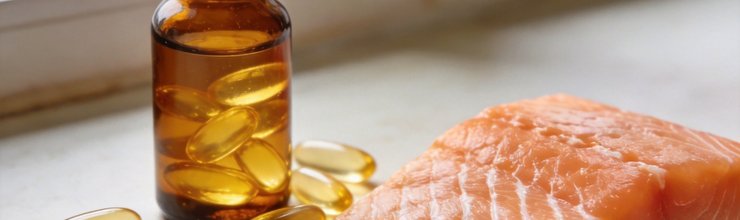
I’m going to be honest with you, when I first looked into whether omega-3s actually help with gout, I expected a simple answer. You know how it goes: some supplement company says “fish oil fixes everything,” and suddenly most people’s talking about omega-3. But digging deeper, I found the reality is messier, more interesting, and honestly more hopeful than I initially thought. Let me share what I learned, including the parts that surprised me.
Here’s What Actually Happens During a Gout Attack
Before we get into omega-3s, you need to understand why gout flares hurt so much in the first place. Without getting too technical: those uric acid crystals don’t just sit there doing nothing. They poke and prod your immune cells until those cells panic and dump massive amounts of inflammatory chemicals into your joint. We’re talking about IL-1β, TNF-α, the whole inflammatory gang shows up. The result is that agonizing swelling and redness you’ve probably experienced if you’re reading this.
Now here’s where it gets interesting. Omega-3s, specifically the EPA and DHA found in fish oil, your body converts some of these into compounds called resolvins. Think of resolvins as the cleanup crew that shows up after the inflammatory party gets out of hand. They’re not preventing inflammation; they’re actively helping your body wind it down. The research on this is genuinely exciting, though I should mention most of the strong evidence comes from laboratory studies and research on similar inflammatory conditions like rheumatoid arthritis. Direct studies on people with gout taking omega-3s? Those are thinner on the ground than I’d like.
The mechanism is solid though. Omega-3s also seem to calm down the NLRP3 inflammasome, that’s basically the alarm system in your cells that goes off when urate crystals show up. Lab research shows omega-3s can dial back that alarm, which might mean less severe flares if the crystals do show up. Whether this actually translates to fewer doctor visits and less colchicine in your future? The honest answer is we need more human studies to know for sure.
I Tried the Fish Oil Route, Here’s What Actually Happened
Look, I’ve been through the supplement aisle more times than I’d like to admit. When I first started looking into omega-3s for gout management, I bought the fancy fish oil capsules with the highest EPA/DHA content I could find. Three weeks in, I was burping fish oil at the worst possible moments. During a work meeting. On a first date. You get the picture.
I almost gave up entirely. But then I learned a few tricks: take the pills with actual food (not just a sip of coffee), keep them in the fridge so they’re cold when you swallow, and split your dose between morning and evening. That last point matters more than I realized. Taking 2 grams all at once is way more likely to give you the dreaded fish burps than splitting it into 1 gram twice daily.
The other thing nobody tells you is that quality varies enormously. I had one bottle that smelled so rancid I couldn’t imagine putting it in my body. Third-party testing for heavy metals and freshness matters. You’re trusting these supplements to go into your body regularly, so yeah, spend the extra few dollars on something reputable. That said, I’m not affiliated with any supplement brand, so you’ll have to do your own homework on which ones pass the tests.
The Research Isn’t as Clean as the Marketing Claims
Here’s where I have to be straight with you. Supplement companies love quoting studies. “Studies show fish oil reduces inflammation!” What they don’t always mention is that most of those studies were on people with rheumatoid arthritis or other inflammatory conditions, not specifically gout. The mechanism is similar enough that it’s plausible, but plausible isn’t the same as proven.
From what I can tell from the research out there:
Population studies do find that people who eat more fish tend to have lower uric acid levels and fewer gout attacks. The NHANES data looks pretty consistent on this. But here’s my hesitation with observational studies: people who eat more fish often have generally healthier lifestyles. Maybe it’s the fish, maybe it’s the other habits. Hard to untangle.
Randomized controlled trials specifically in people with gout? Those are basically nonexistent. We have good studies showing omega-3s help with inflammatory joint pain in rheumatoid arthritis. We have mechanistic studies showing the pathways I mentioned earlier. But direct “take fish oil, get fewer gout flares” evidence? Still needs more research.
So where does that leave you? Here’s my take: the evidence is promising enough that adding omega-3s probably won’t hurt and might genuinely help. But it’s not a magic bullet. If someone tells you fish oil will manage your gout, run the other direction. That’s not what the science says.
The Dose Question Is Annoyingly Complicated
Every time I try to figure out the “right” amount of omega-3 to take, I end up more confused. Let me save you some headache.
The baseline recommendation is about 250-500mg of combined EPA and DHA daily, basically what you’d get from eating fatty fish twice a week. For general heart health, that might be fine. For active inflammation like in gout? From what I’ve seen, that might just be peeing away most of the benefit.
Studies looking at inflammatory arthritis tend to use 2-4 grams daily. Some practitioners go higher. Here’s my honest assessment: I don’t think anyone really knows the optimal dose for gout specifically. If you have access to blood testing that checks your omega-3 index (the percentage of omega-3s in your red blood cells), that can give you actual numbers to work with. Above 8% seems to be where cardiovascular benefits show up. Below 4% indicates you’re definitely deficient.
Without testing, you’re mostly guessing. Starting somewhere around 2 grams daily and seeing how you feel after 8-12 weeks seems reasonable. Your body needs time to incorporate omega-3s into cell membranes before you’d notice much difference anyway. If you’re on blood thinners or thinking about high doses, definitely talk to your doctor first. Omega-3s have mild blood-thinning effects, which is generally a good thing for cardiovascular health but can matter if you’re scheduled for procedures.
Food Sources: Yes, Actually Eating Fish Is Better
- Choi HK, Atkinson K, Karlson EW, Willett W, Curhan G. Purine-rich foods, dairy and protein intake, and the risk of gout in men. N Engl J Med. 2004;350(11):1093-1103. PubMed
- Choi HK, Willett W, Curhan G. Fructose-rich beverages and risk of gout in women. JAMA. 2010;304(20):2270-2278. PubMed
- Choi HK, Curhan G. Coffee consumption and risk of incident gout in women. Am J Clin Nutr. 2010;92(4):922-927. PubMed
- Zhang Y, Neogi T, Chen C, Chaisson C, Hunter DJ, Choi HK. Cherry consumption and decreased risk of recurrent gout attacks. Arthritis Rheum. 2012;64(12):4004-4011. PubMed
- Becker MA, Schumacher HR, Wortmann RL, et al. Febuxostat compared with allopurinol in patients with hyperuricemia and gout. N Engl J Med. 2005;353(23):2450-2461. PubMed
I know supplements are convenient, but hear me out, getting omega-3s from actual food is probably the better route when you can manage it. And no, I’m not saying this because I’m a nutrition purist. There are practical reasons.
When you eat salmon, you’re getting protein, minerals, and a package of other nutrients we probably haven’t even identified yet. Plus, some research suggests that omega-3s in food work differently than isolated compounds in pills. The bioavailability question is genuinely complicated, and whole foods tend to win.
That said, actually eating fish two or three times weekly requires planning. I batch-cook salmon fillets on Sundays so I have protein ready for quick meals. Canned salmon mixed into salads works surprisingly well. Even keeping frozen fish fillets on hand means you’re never stuck without options.
The amounts add up quickly if you’re consistent. A 3-ounce serving of salmon gives you about 2-3 grams of EPA and DHA. Mackerel is even higher. Sardines, herring, anchovies—all good choices. Those tiny fish like sardines and anchovies also tend to be lower on the food chain, meaning less mercury accumulation than larger species like king mackerel.
What about plant sources like flaxseeds and walnuts? Here’s my hesitation with those for gout specifically: they provide ALA, which your body converts poorly into the anti-inflammatory EPA and DHA. I’m talking maybe 5-10% conversion efficiency for EPA, worse for DHA. If you’re vegan or vegetarian, algae-based omega-3 supplements actually provide true EPA and DHA without the fish, which is pretty cool. But for most people else, plant omega-3s are fine as part of a balanced diet but shouldn’t be your primary strategy for anti-inflammatory benefits.
Things Nobody Talks About
I want to address a few things that came up in my research that don’t fit neatly into the usual article format.
**The omega-6 problem.** You probably haven’t thought about how much omega-6 fat is in your diet. Vegetable oils (soybean, corn, sunflower), processed foods, grain-fed meat—all these contribute to a high omega-6 to omega-3 ratio. Some researchers think this imbalance itself promotes inflammation. If you’re adding omega-3s while still eating fried foods cooked in soybean oil every day, you might be fighting a losing battle. I’m not saying never eat these things, but being aware of the balance matters.
**Freshness is a real issue.** Fish oil goes rancid. I’ve had supplements that smelled terrible within weeks of opening. Refrigeration helps. Buying smaller bottles that you’ll use within a few months helps. The “best by” date matters more than most people realize.
**The purine question.** Some people worry that fish contains purines and might raise uric acid. Here’s the nuance: certain fish (especially anchovies, sardines, mackerel) are higher in purines, yes. But the research suggests that omega-3 rich fish don’t actually trigger gout attacks the way meat does. The anti-inflammatory effects seem to balance things out. If you’re in the middle of a severe flare, maybe ease up on the high-purine fish, but otherwise I wouldn’t stress about this too much.
**Results take time.** If you’re expecting to feel better next week after starting fish oil, you’re going to be disappointed. Omega-3 incorporation into cell membranes takes weeks. Studies showing inflammatory benefits typically run for at least three months. I know it’s frustrating when you want relief now, but this is a longer-term strategy.
Making It Work For You
Let me share some practical approaches that have worked for me and others I’ve talked to.
I keep a stash of frozen wild salmon fillets. Sunday meal prep includes baking two or three of these alongside whatever vegetables I’m roasting. Having ready-to-go protein means you’re not staring at the fridge at 6 PM wondering what to eat. Canned salmon works too—the kind with bones adds calcium, which is a nice bonus.
For supplements, I take mine with my biggest meal, usually dinner. Splitting the dose is key if you’re doing high amounts. Some people even open the capsules and mix the oil into smoothies, though that requires a tolerance for fish-flavored smoothies that I definitely don’t have.
The other thing that matters is consistency over perfection. I messed up my fish oil routine constantly at first. Skipping days, forgetting doses. What mattered was getting back on track, not being perfect. Two servings of fish weekly instead of one still counts. Some omega-3 is better than none.
Your mileage may vary with all of this. I’m sharing what seems to work for many people, but your body, your diet, your medication situation—those all affect what makes sense for you.
Should You Try This?
Here’s my honest assessment after looking into this extensively.
If you have gout and you’re not currently taking omega-3s, adding them seems reasonable. The evidence isn’t overwhelming, but it’s promising enough, the mechanisms make sense, and the risks are low for most people. Just don’t expect miracles.
If you’re already taking fish oil and wondering if it’s helping with your gout specifically, maybe it is. Hard to know without seeing your flares get less frequent or severe over time.
If you’re on blood thinners or about to have surgery, definitely discuss high-dose omega-3s with your doctor first.
If you absolutely cannot tolerate fish or supplements, algae oil is a legit option that provides the same EPA and DHA without the marine products.
The bottom line as I see it: omega-3s aren’t going to replace your urate-lowering medication. They’re not going to prevent every flare. But as part of a broader approach to managing inflammation? They might be worth including.
I wish the research gave us clearer answers. It doesn’t. But sometimes “probably helps, probably won’t hurt” is enough to make it worth trying—especially when we’re talking about something as miserable as chronic gout.
—
**Related Articles You Might Find Helpful:**
- Complete Gout Diet Guide: What to Eat and Avoid
- Lower Uric Acid Naturally: Evidence-Based Strategies
- Vitamin C and Gout: What Science Says About Supplements
- Cherries and Gout: What the Research Says
- Dietary Approaches to Stop Hypertension (DASH) Diet for Gout: Complete Guide
*Disclaimer: This article is for informational purposes only and is not medical advice. Be sure to consult with your healthcare provider before starting any new supplement regimen, especially if you have underlying health conditions or are taking medications.*
Related: Complete Gout Diet Guide: What to Eat and Avoid | Best Foods for Gout
Frequently Asked Questions
Can omega-3 supplements help with gout?
Research on omega-3 and gout is mixed. Omega-3s have anti-inflammatory properties that may help reduce flare severity, but they do not significantly lower uric acid levels. Some studies suggest potential benefit while others show no clear effect on attack frequency.
Is fish oil safe for people with gout?
Fish oil supplements are generally safe for people with gout when taken at recommended doses. However, some fish oil products may contain purines from fish proteins. Choose high-quality, purified fish oil supplements to minimize contaminants and ensure safety.
Should I eat fish instead of taking supplements?
Fatty fish like salmon, mackerel, and sardines provide omega-3s along with other nutrients. However, some seafood is high in purines, so portion control matters. For most patients, moderate fish consumption (2-3 servings weekly) is reasonable alongside any supplements.
What is the recommended omega-3 dose for anti-inflammatory benefits?
General recommendations suggest 1-3 grams of combined EPA and DHA daily for anti-inflammatory effects. Doses above 3 grams should be discussed with your doctor due to potential blood-thinning effects and interactions with medications.
What foods trigger gout the most?
Organ meats, certain seafood (anchovies, sardines, shellfish), and high-fructose foods are the biggest dietary triggers. Red meat and beer also raise uric acid significantly. Tracking your personal triggers with a food diary can help identify your specific problem foods.
Can I ever eat steak or seafood again?
Yes, in moderation. A small portion of lean red meat (3-4 oz) once or twice a week is usually fine. The key is balancing purine-rich foods with plenty of water, low-fat dairy, and vegetables.
Do vegetables high in purines cause gout attacks?
No. Research consistently shows that purines from plant sources do not increase gout risk. Only animal-derived purines significantly raise uric acid levels. This is one of the most common misunderstandings about gout diets.
How much water should I drink to prevent gout?
Most rheumatologists recommend at least 8 glasses (64 oz) of water daily. Staying well-hydrated helps your kidneys flush out excess uric acid. Coffee and low-fat milk also have mild uric-acid-lowering effects.
References
- Chen-Xu M, Yokose C, Rai SK, Pillinger MH, Choi HK. Contemporary Prevalence of Gout and Hyperuricemia (high uric acid levels) in the United States. Arthritis Rheumatol. 2019;71(5):764-770. PubMed
- American College of Rheumatology. 2020 Guideline for the Management of Gout. Arthritis Care & Research. 2020. PubMed
- Neogi T, et al. 2015 Gout Classification Criteria. Arthritis Rheumatol. 2015;67(10):2557-2568. PubMed
- Richette P, Doherty M, Pascual E, et al. 2016 updated European Alliance of Associations for Rheumatology (EULAR) evidence-based recommendations for the management of gout. Ann Rheum Dis. 2017;76(1):29-42. PubMed
- Dalbeth N, Choi HK, Joosten LAB, et al. Gout. Lancet. 2021;397(10287):1843-1855. PubMed
References
- Chen-Xu M, Yokose C, Rai SK, Pillinger MH, Choi HK. Contemporary Prevalence of Gout and Hyperuricemia (high uric acid levels) in the United States. Arthritis Rheumatol. 2019;71(5):764-770. PubMed
- American College of Rheumatology. 2020 Guideline for the Management of Gout. Arthritis Care & Research. 2020. PubMed
- Neogi T, et al. 2015 Gout Classification Criteria. Arthritis Rheumatol. 2015;67(10):2557-2568. PubMed
- Richette P, Doherty M, Pascual E, et al. 2016 updated European Alliance of Associations for Rheumatology (EULAR) evidence-based recommendations for the management of gout. Ann Rheum Dis. 2017;76(1):29-42. PubMed
- Dalbeth N, Choi HK, Joosten LAB, et al. Gout. Lancet. 2021;397(10287):1843-1855. PubMed
Reviewed by the GoutSavvy Editorial Team