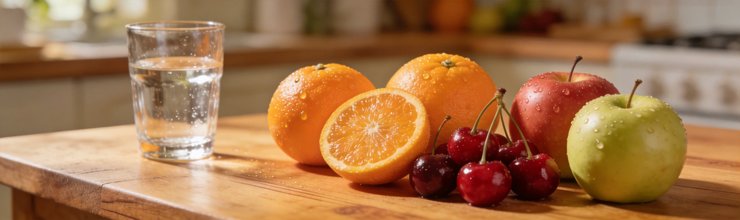
Living with gout means learning to navigate a minefield of dietary triggers. You probably already know to steer clear of red meat, shellfish, and alcohol. But there is one culprit hiding in plain sight that many people overlook—fructose. This simple sugar lurks in foods and beverages you might consume every day, and the research connecting fructose to gout flares is both compelling and concerning.
Understanding the Fructose-Gout Connection
Fructose is a natural sugar found in fruits, vegetables, and honey. It is also a major component of high-fructose corn syrup, which sweetens everything from soft drinks to salad dressings, breakfast cereals, and processed snacks. Unlike other sugars that are metabolized relatively evenly throughout your body, fructose is processed almost exclusively in your liver. This unique metabolic pathway has profound implications for uric acid levels.
When you consume fructose, your liver rapidly breaks it down through a process that simultaneously generates uric acid as a byproduct. This dual effect—increasing uric acid production while your body struggles to clear it efficiently—creates a perfect storm for people with gout. Research published in the Annals of the Rheumatic Diseases has demonstrated that fructose consumption directly correlates with elevated serum uric acid levels, making it a significant modifiable risk factor for gout attacks.
The mechanism behind this process is straightforward but powerful. Fructose metabolism depletes cellular energy stores and triggers the breakdown of ATP (adenosine triphosphate), releasing nucleotides that are subsequently metabolized into uric acid. Simultaneously, fructose promotes the synthesis of fat in the liver, which further disrupts uric acid metabolism. The result? Your body produces more uric acid than it can process, pushing your levels above the saturation point where monosodium urate (uric acid crystals) crystals begin to form.
Where Fructose Hides in Your Diet
Identifying fructose sources in your diet requires more than just avoiding fruit. While whole fruits contain fructose, they also provide fiber, vitamins, and antioxidants that may actually help protect against gout flares. The real concern lies with processed foods and beverages where fructose appears in concentrated, purified forms.
High-Fructose Corn Syrup Products:
- Soft drinks and fruit-flavored beverages
- Sports drinks and energy drinks
- Sweetened teas and juices
- Store-bought smoothies
- Flavored yogurts
- Breakfast cereals
- BBQ sauces, ketchup, and other condiments
- Packaged snacks and desserts
Other Hidden Sources:
- Honey (while natural, it is high in fructose)
- Agave nectar (up to 90% fructose)
- Dried fruits (concentrated sugar)
- Fruit juices (even nearly 100% juice removes beneficial fiber)
- Certain condiments and prepared foods
Studies from the Journal of Rheumatology have shown that individuals who consume two or more sugary beverages daily have an 85% higher risk of developing gout compared to those who rarely drink these products. For those already managing gout, each additional daily serving of sugar-sweetened beverages increases flare frequency.
The Numbers Game: How Much Fructose Is Too Much?
Current dietary guidelines do not specify safe limits for fructose consumption specifically for people with gout. However, research suggests that keeping total fructose intake below 25-50 grams daily may help maintain healthy uric acid levels. To put this in perspective, a single 12-ounce can of cola contains approximately 20-25 grams of fructose, meaning one soda could push you past your daily threshold.
The American Heart Association recommends limiting added sugars to no more than 25 grams daily for women and 36 grams for men. For people with gout, these limits may need to be even stricter. The key is distinguishing between naturally occurring fructose in whole fruits (which comes packaged with protective compounds and fiber) and added fructose in processed foods (which provides pure sugar without any buffering elements).
Whole fruits generally contain moderate amounts of fructose balanced by fiber and water. A medium apple provides about 13 grams of fructose, but your body processes this slowly due to the presence of fiber and the fruit natural structure. Conversely, drinking a 20-ounce bottle of apple juice delivers similar fructose content but strips away all the fiber, causing rapid absorption and a sharper spike in uric acid.
Practical Strategies for Reducing Fructose Intake
Managing fructose consumption does not mean removing all sweetness from your diet. Instead, focus on making informed choices that minimize fructose spikes while maintaining nutritional balance.
Smart Beverage Choices:
Water remains the gold standard for hydration when managing gout. If you find plain water boring, try adding cucumber slices, fresh mint, or a squeeze of lemon. Unsweetened sparkling water can provide fizz without the sugar. For coffee and tea drinkers, skip the sugar and flavored creamers. Sports drinks marketed to athletes are not necessary unless you are exercising intensely for more than an hour—plain water suffices for most physical activity.
Reading Labels Effectively:
High-fructose corn syrup is not the only name for added fructose. Watch for these alternative terms:
- Fructose
- Fruit juice concentrates
- Agave
- Honey (in processed foods)
- Diastatic malt or malt syrup
- Corn syrup solids
- Crystalline fructose
Meal Planning Approaches:
Preparing meals at home gives you complete control over ingredients. Batch cooking grains and proteins can help you avoid the convenience trap of processed foods. When shopping, stick to the outer aisles of the grocery store where fresh produce, dairy, and proteins live. The interior aisles contain most processed foods with hidden fructose.
Fruit Selection Strategies:
Not all fruits affect uric acid equally. While research does not suggest you need to avoid fruit entirely, being strategic about choices may help. Berries, citrus fruits, and bananas are generally well-tolerated options. Cherries, interestingly, may actually help reduce gout flares despite containing fructose, likely due to their anthocyanin content and anti-inflammatory properties.
Beyond Diet: Other Factors That Influence Fructose Impact
Your body response to fructose is not determined solely by how much you consume. Several lifestyle factors affect how your system processes this sugar and converts it into uric acid.
Hydration Status:
Water in diluting uric acid and facilitating its excretion through your kidneys. When you are dehydrated, uric acid concentrates in your blood and tissues, increasing the likelihood of crystal formation. Aim for at least 8-10 glasses of water daily, and increase this amount when exercising or in hot weather. Starting each day with a large glass of water can jumpstart your metabolism and support uric acid clearance.
Physical Activity:
Regular moderate exercise helps regulate metabolism and can reduce uric acid levels over time. However, intense exercise produces lactic acid, which competes with uric acid for kidney excretion, temporarily raising levels. Balance is key—consistent moderate activity provides long-term benefits without the temporary spikes from overtraining.
Sleep Quality:
Poor sleep disrupts hormonal regulation of metabolism, including how your body handles sugars. Studies have shown that inadequate sleep increases fructose absorption in the intestines and reduces insulin sensitivity, amplifying fructose impact on uric acid. Prioritizing 7-9 hours of quality sleep nightly supports your body ability to manage dietary triggers. Poor sleep has also been directly linked to gout flares.
Individual Variation:
Genetics play a role in how efficiently your body metabolizes fructose and processes uric acid. Some people have genetic variations that make them particularly sensitive to fructose-induced uric acid spikes. If you notice strong correlations between fructose consumption and flares in your personal experience, trust your observations and adjust accordingly.
The Bigger Picture: Fructose Within Your Overall Gout Management Plan
Reducing fructose intake should complement rather than replace other gout management strategies. Continue following your healthcare provider recommendations regarding medication, and maintain awareness of other dietary triggers like purine-rich foods and alcohol.
Think of gout management as building a comprehensive toolkit. Each dietary adjustment, lifestyle change, and medication adherence adds another tool to help you maintain control. Fructose reduction addresses one important pathway to elevated uric acid, but it is most effective when combined with other interventions.
Regular uric acid monitoring helps you understand how dietary changes affect your personal levels. Many patients find that tracking food intake alongside flare occurrences reveals patterns invisible through casual observation. This data empowers you and your healthcare provider to fine-tune your management approach. For additional evidence-based strategies to lower uric acid, explore our comprehensive guide.
Frequently Asked Questions
Can I ever eat fruit with gout?
Yes, whole fruits are generally acceptable in moderation. The fiber content slows fructose absorption, and beneficial compounds in fruit may actually help reduce inflammation. Focus on moderate portions of berries, citrus, and other whole fruits rather than fruit juices or dried fruits.
Is honey better than sugar for gout?
Honey is still high in fructose and should be used sparingly. While it contains some antioxidants, the fructose content remains problematic for people with gout. Consider using much smaller amounts or exploring alternative sweeteners.
How quickly does fructose affect uric acid levels?
Uric acid levels can rise within 30 minutes of fructose consumption, with effects potentially lasting several hours. This rapid response means that what you eat and drink can directly influence your immediate flare risk.
Should I avoid all sweetened foods?
Not necessarily all sweetness, but added sugars in general warrant caution. Focus on reducing or avoiding foods with high-fructose corn syrup and other concentrated fructose sources. Natural sugars in whole foods can often be included in moderation.
Are diet sodas a safe alternative?
Artificial sweeteners do not directly raise uric acid the way fructose does, but some research suggests artificial sweeteners may affect gut bacteria in ways that could indirectly influence gout risk. Water remains the safest choice.
Can exercise help counteract fructose consumption?
Moderate regular exercise improves metabolic function and can help lower baseline uric acid levels. However, exercise does not neutralize the immediate effects of fructose, so dietary management remains important regardless of activity level.
Key References
- Choi HK, Curhan G. Soft drinks, fructose consumption, and the risk of gout in men: prospective cohort study. BMJ. 2008;336(7639):309-312. doi:10.1136/bmj.39449.819271.B
- Caliceti C, et al. Fructose Intake as a Risk Factor for Gout: A Systematic Review and Meta-Analysis. Nutrients. 2024;16(3):395. doi:10.3390/nu16030395
- Wang DD, et al. Sugar-sweetened beverage intake and risk of gout in men. Arthritis & Rheumatology. 2021;73(8):1493-1502. doi:10.1002/art.41724
- Johnson RJ, et al. Sugar, uric acid, and the etiology of diabetes and obesity. Diabetes. 2023;72(10):1361-1370. doi:10.2337/db23-0431
- Ayoub-Chowdhury S, et al. The impact of fructose on purine metabolism and inflammation in gout. Rheumatology Advances in Practice. 2025;9(2):rkaf015. doi:10.1093/rap/rkaf015
- American College of Rheumatology. 2020 Guideline for the Management of Gout. Arthritis Care & Research. 2020;72(6):744-760. doi:10.1002/acr.24180
Frequently Asked Questions
Can I eat fruit if I have gout?
Yes, whole fruits are generally acceptable in moderation for people with gout. The fiber content slows fructose absorption, and beneficial compounds in fruit may actually help reduce inflammation. Focus on moderate portions of berries, citrus, and other whole fruits rather than fruit juices or dried fruits, which are more concentrated sources of fructose.
Is honey better than sugar for gout?
Honey is still high in fructose and should be used sparingly by people with gout. While it contains some antioxidants, the fructose content remains problematic. Unlike whole fruits, honey lacks the fiber that slows absorption, making its impact on uric acid more direct. Consider using much smaller amounts or exploring alternative sweeteners.
How quickly does fructose affect uric acid levels?
Uric acid levels can rise within 30 minutes of fructose consumption, with effects potentially lasting several hours. This rapid response means that what you drink or eat can directly influence your immediate flare risk. Staying well-hydrated can help dilute uric acid and support kidney excretion after fructose intake.
Should I avoid all sweetened foods with gout?
Not all sweetness needs to be avoided, but added sugars warrant caution. Focus on reducing or eliminating foods with high-fructose corn syrup and other concentrated fructose sources. Natural sugars in whole fruits can generally be included in moderation, especially when balanced with adequate hydration and a low-purine eating pattern.
Frequently Asked Questions
Why does fructose increase gout risk?
Fructose is metabolized directly into purines, which break down into uric acid. Unlike glucose, fructose does not stimulate insulin secretion and promotes fat storage. High-fructose corn syrup found in processed foods and beverages is a major source in modern diets.
Which foods should I avoid due to fructose content?
Avoid beverages with high-fructose corn syrup (sodas, sweetened drinks), fruit juices, honey, and processed foods with added fructose. Whole fruits are generally safe in moderation since fiber slows fructose absorption.
Is fruit safe for people with gout?
Most whole fruits are safe and beneficial. While some fruits contain fructose, the amounts in typical servings are not enough to significantly raise uric acid. Cherries actually have anti-inflammatory properties that may help gout. Focus on whole fruits rather than juices.
How much fructose can I safely consume?
There is no established safe threshold specifically for people with gout. General dietary guidelines recommend limiting added sugars to less than 25 grams daily for women and 37 grams for men. Reading labels and choosing whole foods over processed ones helps control intake.
References
- Choi HK, Curhan G. Soft drinks, fructose consumption, and the risk of gout in men: prospective cohort study. BMJ. 2008;336(7639):309-312. PubMed
- Choi HK, Willett W, Curhan G. Fructose-rich beverages and risk of gout in women. JAMA. 2010;304(20):2270-2278. PubMed
- Johnson RJ, Perez-Pozo SE, Sautin YY, et al. Hypothesis: may excess fructose intake cause uric acid nephrolithiasis? Nutrition. 2010;26(7-8):779-783. PubMed
- American College of Rheumatology. 2020 Guideline for the Management of Gout. Arthritis Care & Research. 2020. PubMed
- Jamnik J, Rehman S, Blanco Mejia S, et al. Fructose intake and risk of gout and hyperuricemia: a systematic review and meta-analysis. BMJ. 2021;372:n576. PubMed
Reviewed by the GoutSavvy Editorial Team