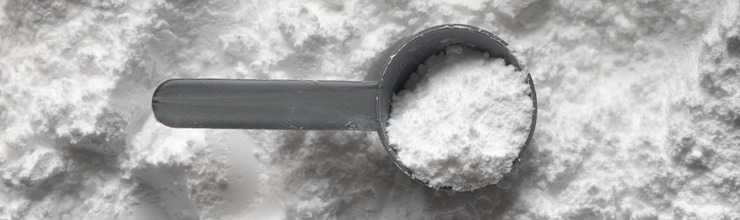
The Gym Rat’s Dilemma: Can Your Protein Shake Cause Gout?
You started taking protein powder to get healthier. You swapped beers for shakes, hit the gym five days a week, cleaned up your diet. Then your toe swelled up like a balloon and your doctor said the word you never expected at 33: gout.
If that sounds familiar, you are not alone. Emergency rooms and rheumatology clinics are seeing a surge of gout cases in people in their 20s and 30s, and the fitness supplement industry is right in the middle of it. But before you throw out your tub of whey, let me break down what the research actually says, because the story is not as simple as “protein powder causes gout.”
Not All Protein Powders Are Created Equal
Here is the thing most people miss: “protein powder” is not one thing. It is a category that includes at least five very different products, and they do not affect your uric acid the same way.
Whey and casein (from milk) are actually the safest options for people watching their uric acid. Dairy proteins contain very few purines, the compounds your body converts into uric acid. A 2025 randomized controlled trial published in Food Science & Nutrition found that whey protein hydrolysate actually lowered serum uric acid in adult men over 12 weeks of supplementation. The researchers also noted improvements in kidney function markers.
Beef protein isolate is a different story. It contains significant purine levels, sometimes 3 to 5 times higher than what you would get from a normal protein intake. If you are already dealing with gout, this is the one to avoid.
Plant-based powders fall somewhere in the middle. Pea protein contains moderate purines, which could be an issue for sensitive individuals. Soy protein is relatively low in purines but may warrant caution at high doses. Egg white protein is a solid low-purine option if you avoid dairy.
The real problem is not usually the powder itself. It is what comes mixed in with it.
The Hidden Triggers in Your Shake
Many commercial protein shakes are loaded with added sugars, especially high-fructose corn syrup. If you want to read more about why fructose is uniquely bad for gout, we have a full breakdown here. The short version: fructose metabolism in your liver directly produces uric acid as a byproduct, bypassing the usual regulatory checkpoints. Two sugary protein shakes a day could easily be worse for your uric acid than a steak dinner.
Then there is dehydration. Gym-goers who sweat heavily during workouts and only drink protein shakes instead of water are setting themselves up for trouble. When you are dehydrated, the concentration of uric acid in your blood increases, which promotes crystal formation. We have covered why dehydration triggers gout flares in detail, and protein powder makes this worse because processing extra protein requires even more water from your kidneys.
So the shake itself is not the villain. The combination of high-protein intake, dehydration, added sugars, and sometimes creatine creates a perfect storm for a gout flare.
Creatine and Gout: What the Research Actually Says
A lot of gym-goers take creatine alongside their protein powder, and there is widespread confusion about whether creatine raises uric acid. Let me clear this up.
Creatine and uric acid come from distinct metabolic pathways. Creatine breaks down into creatinine, which your kidneys filter out. Uric acid comes from purine metabolism through an enzyme called xanthine oxidase (the same enzyme that allopurinol blocks to lower uric acid). These two pathways do not directly interact.
Major gout guidelines from the American College of Rheumatology (ACR) and the European Alliance of Associations for Rheumatology (EULAR) do not list creatine as a gout trigger. A 2026 review in a clinical database confirmed that there is no evidence creatine supplementation causes gout flares.
However, there is an indirect trap. Creatine supplementation raises serum creatinine levels, which can make your kidney function look worse than it actually is on standard blood tests. If your doctor sees elevated creatinine and mistakenly thinks your kidneys are struggling, they might reduce your dose of allopurinol (a common medication that lowers uric acid) out of caution. Less allopurinol means higher uric acid, and higher uric acid means more flares.
If you are taking both creatine and allopurinol, make sure your rheumatologist knows about the creatine so they can use more accurate kidney function tests like cystatin C (a protein-based kidney function test that creatine does not affect).
The Real-World Case That Should Make You Think Twice
A case report published in the National Library of Medicine documented a 36-year-old athletic male with no history of kidney disease, diabetes, or hypertension who developed elevated creatinine and uric acid after two months of regular whey protein supplementation combined with a high-protein diet. His uric acid hit 487 micromol per liter (roughly 8.2 mg/dL), well into the hyperuricemia range (meaning uric acid in the blood is higher than normal). Even after switching from whey protein to protein-fortified milk, his levels stayed elevated.
Was the whey protein alone to blame? Probably not. The researchers noted that chronic high-protein dietary consumption played a significant role. But the case highlights something important: you can be lean, fit, and active and still develop hyperuricemia if your total protein intake is excessive.
Dietary purines only account for about 30 percent of the uric acid in your body. The rest comes from your own cellular processes. But 30 percent is the part you can control, and if you are already consuming a high-protein diet of meat, eggs, and shakes, that 30 percent adds up fast. For more on how dietary protein fits into the bigger picture, we have a complete guide on protein and gout.
Which Protein Powder Should You Choose If You Have Gout?
Based on the available evidence, here is a practical hierarchy:
Best options: Whey protein isolate or concentrate (dairy proteins may actually promote urate excretion), egg white protein, and casein. These are low in purines and have the best research backing for safety in people with elevated uric acid.
Use with caution: Pea protein, soy protein, and hemp protein. These are moderate in purines and could cause issues at high doses, though plant purines appear to have less impact on uric acid than animal purines.
Avoid: Beef protein isolate and any powder that contains high-fructose corn syrup or large amounts of added sugar. Also steer clear of mass gainers that pack 1,000+ calories with sugar-loaded carb blends.
If you want to understand why dairy products might actually help with gout, our guide to dairy and gout covers the research on how milk proteins promote urate excretion.

How to Use Protein Powder Without Triggering a Flare
If you are going to use protein powder while managing gout, follow these rules:
1. Keep your total protein reasonable. The recommended daily intake is 0.8 to 1.0 grams per kilogram of body weight for most people. A 75 kg adult needs about 60 to 75 grams per day, which you can easily get from food alone. If you add a scoop of whey (20 to 25 grams), make sure you are not also eating a pound of chicken and six eggs.
2. Hydrate like your joints depend on it, because they do. Drink at least 2 liters of water per day, more on training days. Your kidneys need water to flush out both the extra protein breakdown products and uric acid. Read our guide on why hydration is your best defense against gout for more details.
3. Check the label for hidden sugars. Many flavored protein powders contain 10 to 20 grams of added sugar per scoop. Choose unflavored or stevia-sweetened options.
4. Space out your intake. Do not slam 60 grams of protein in one shake. Split it into smaller doses throughout the day to avoid overwhelming your kidneys’ processing capacity.
5. Get your uric acid checked regularly. If you are hitting the gym hard and using supplements, you should know your numbers. A simple blood test can tell you if your strategy is working or if you need to dial things back. Here is how to read those results.
And if you are also exercising intensely, keep in mind that intense exercise itself can raise uric acid through muscle breakdown and depletion of ATP (the energy molecules your cells use). The fitness lifestyle is not automatically gout-friendly just because you are not eating organ meats and drinking beer.
Frequently Asked Questions
Can whey protein directly cause a gout flare?
No strong evidence suggests whey protein directly triggers gout flares. Whey is low in purines and dairy proteins may actually help your body excrete uric acid. However, if your total protein intake is excessive or you are dehydrated, the indirect effects can contribute to elevated uric acid levels.
Should I stop taking protein powder if I have gout?
Not necessarily. If you are using whey or casein, staying well hydrated, and keeping your total protein intake within recommended limits, protein powder can be part of a gout-friendly diet. However, you should stop if you are using beef protein isolate, sugary mass gainers, or if your uric acid levels are consistently above target despite dietary changes.
Is creatine safe for people with gout?
Current research does not identify creatine as a direct gout trigger. The main concern is that creatine raises serum creatinine, which can interfere with kidney function tests and potentially lead to inappropriate allopurinol dose adjustments. If you take creatine and allopurinol together, inform your doctor so they can use accurate kidney function assessments.
How much protein is too much for someone with gout?
For most adults, 0.8 to 1.0 grams per kilogram of body weight per day is sufficient. Going well above this, especially through supplements, increases the workload on your kidneys and may indirectly raise uric acid. If you have kidney disease alongside gout, your target may be even lower (0.6 to 0.8 g/kg), and you should consult a nephrologist.
Can I use plant-based protein powder instead of whey?
Plant-based options like pea and hemp protein are moderate in purines and generally safe at normal doses. However, some people find that pea protein at high intakes can raise uric acid. If you prefer plant-based powders, egg white protein is the lowest-purine option. Monitor your uric acid levels when introducing any new supplement.
References
- Nomaguchi K, et al. “Effects of Whey Protein Hydrolysate Ingestion on Serum Uric Acid Levels in Adult Men: A Randomized, Double-Blind, Parallel-Group, Placebo-Controlled Study.” Food Science & Nutrition. 2025;13(11):e71150. doi:10.1002/fsn3.71150
- “Continued elevation of creatinine and uric acid in a male athlete: A case report.” PMC. PMC11163930. 2024.
- “Exercise and hyperuricemia: an opinion article.” PMC. PMC11348809. 2024.
- “Can creatine supplementation precipitate gout flares in patients with a history of gout?” DrOracle Clinical Database. Updated April 2026.
- FitzGerald JD, et al. “2020 American College of Rheumatology Guideline for the Management of Gout.” Arthritis & Rheumatology. 2020;72(6):879-895.
- “2026 GES Gout Survey.” Wakefield Research for the Gout Education Society. May 2026.
- “Does Whey Protein Contain Purines?” Healthy Eating/SFGate. University of Pittsburgh Medical Center guidelines.
- Choi HK, et al. “Dairy intake and risk of gout in men.” New England Journal of Medicine. 2004;350(11):1093-1103.
Reviewed by the GoutSavvy Editorial Team