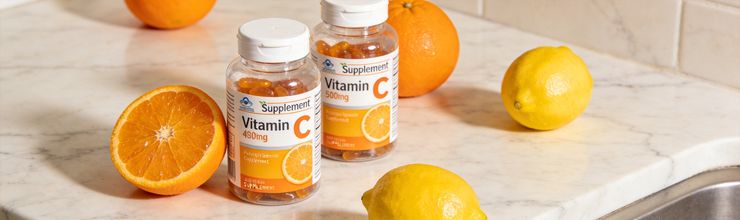
Vitamin C is often promoted as a natural remedy for gout. But what does the research actually show? This article separates fact from fiction regarding vitamin C supplementation and gout management.
Understanding Vitamin C and Uric Acid
Vitamin C (ascorbic acid) plays several roles in the body that could theoretically affect uric acid levels:
Potential Urate-Lowering Mechanisms
Research suggests vitamin C may lower uric acid through several mechanisms:
1. Increased uric acid excretion: Vitamin C may increase the amount of uric acid your kidneys filter out of your blood.
2. Antioxidant effects: As a powerful antioxidant, vitamin C may reduce oxidative stress that contributes to inflammation in gout.
3. Inhibition of xanthine oxidase: Some studies suggest vitamin C may mildly inhibit the enzyme that produces uric acid.
The Research Evidence
The evidence for vitamin C’s effect on gout is mixed and nuanced:
Promising Findings:
– A study in the American Journal of Clinical Nutrition found that higher vitamin C intake was associated with lower serum uric acid levels in men.
– The Physicians’ Health Study II found that 500 mg daily of vitamin C supplementation reduced the risk of new gout diagnoses by 12% in middle-aged male physicians.
– A cross-sectional study published in Frontiers in Immunology (2024) found a significant inverse relationship between dietary vitamin C consumption and gout in American adults.
Limitations of the Evidence:
– A pilot randomized controlled trial in patients with established gout found that 500 mg of vitamin C daily for 8 weeks produced only a 0.23 mg/dL reduction in serum uric acid, compared to a 1.9 mg/dL reduction with allopurinol. This effect was deemed clinically insignificant.
– The urate-lowering effect of vitamin C appears to be much smaller in people who already have gout compared to those with hyperuricemia (high uric acid levels) alone.
What Major Guidelines Say
The 2020 American College of Rheumatology (ACR) guidelines give important guidance:
The ACR conditionally recommends against adding vitamin C supplementation for patients with gout. This recommendation is based not on evidence of harm, but on evidence that the benefit is too small to be clinically meaningful.
According to the guidelines:
– Data on vitamin C were insufficient to support its routine recommendation
– The modest urate-lowering effect (approximately 0.2-0.4 mg/dL) is too small to help patients achieve target uric acid levels
– Patients who need urate-lowering therapy should use proven medications
Vitamin C Does Not Raise Uric Acid
Despite persistent concerns, vitamin C does not cause hyperuricemia or worsen gout. The ACR recommendation is based on insufficient benefit, not harm.
Research has consistently shown that vitamin C supplementation (even at high doses) does not raise serum uric acid levels. Any concerns about vitamin C causing gout attacks are not supported by scientific evidence.
Practical Recommendations
Should You Take Vitamin C Supplements?
For most people with gout, vitamin C supplements should not replace prescribed urate-lowering therapy. However, there are some considerations:
Consider vitamin C supplementation if:
– You want to complement your medication with dietary approaches
– You have gout with normal uric acid levels and want general health benefits
– You are not already taking other supplements that provide adequate vitamin C
Vitamin C supplements are not sufficient if:
– You have clinically elevated uric acid levels
– You are experiencing frequent gout flares
– Your doctor has recommended urate-lowering medication
Getting Vitamin C from Food
Regardless of supplementation, eating vitamin C-rich foods is beneficial and does not carry any risks:
– Citrus fruits (oranges, lemons, grapefruits)
– Bell peppers (especially red and yellow)
– Strawberries
– Kiwi fruit
– Broccoli
– Tomatoes
– Cantaloupe
These foods also provide fiber, antioxidants, and other nutrients that support overall health.
Appropriate Supplementation Doses
If you and your doctor decide vitamin C supplementation is appropriate:
– Doses of 500-1000 mg daily are commonly studied
– Doses above 2000 mg daily may cause digestive upset in some people
– Vitamin C is water-soluble, so excess amounts are excreted in urine
– Taking vitamin C with food may reduce gastrointestinal side effects
Important Cautions
Interactions with Other Medications
High-dose vitamin C may interact with:
– Warfarin (Coumadin) and other blood thinners
– Statin medications
– Estrogen and hormone therapies
Be sure to discuss supplements with your healthcare provider, especially if you take other medications.
Not a Replacement for Proven Treatments
The greatest risk of relying on vitamin C for gout management is delaying or avoiding proven medical treatments. Without adequate urate-lowering therapy, gout can progress to:
– More frequent and severe flares
– Joint damage and deformity
– Tophi formation
– Kidney complications
Vitamin C and Kidney Health
For people with gout with kidney disease, vitamin C requires additional consideration. Damaged kidneys may have difficulty excreting oxalate, a byproduct of vitamin C metabolism. Very high-dose vitamin C supplementation could potentially contribute to kidney stone formation in susceptible individuals.
Talk to your doctor about appropriate vitamin C intake if you have any degree of kidney impairment.
The Bottom Line
Vitamin C is a safe supplement that may provide a small, complementary benefit in gout management, but it is not a substitute for proven urate-lowering medication.
Key takeaways:
– Vitamin C does not manage gout or significantly lower uric acid in patients with the disease
– Dietary vitamin C from fruits and vegetables is beneficial and encouraged
– High-dose supplements may offer modest benefits but are not sufficient for clinical gout management
– The ACR recommends against routine vitamin C supplementation due to insufficient benefit
– Never replace prescribed medication with supplements without medical supervision
Practical Tips for Managing Gout Through Diet
Beyond knowing which foods to avoid, the practical side of a gout-friendly diet deserves attention. Meal planning becomes easier when you focus on what you can eat rather than what you cannot. Most vegetables, whole grains, low-fat dairy products, eggs, and plant-based proteins like tofu are safe choices that do not raise uric acid levels.
One strategy that works well for many people with gout is the “plate method”: fill half your plate with vegetables, one quarter with lean protein, and one quarter with whole grains. This naturally limits purine-heavy foods without requiring complex calorie counting or strict meal plans.
Hydration deserves special emphasis. Water helps your kidneys process and reduce uric acid more efficiently. Some patients find that adding lemon to their water provides additional benefit — citric acid may help alkalinize urine, promoting uric acid excretion. While the evidence for lemon water is not as strong as for prescription medications, it is a low-risk strategy worth trying alongside other dietary changes.
Cooking methods also matter more than most people realize. Boiling purine-rich meats and discarding the cooking liquid can reduce their purine content by up to 50%. This means a boiled chicken breast is a safer choice than the same chicken grilled with the skin on.
Frequently Asked Questions
How much vitamin C should I take for gout management?
Studies suggest 500–1,500 mg of vitamin C daily may help lower uric acid levels. However, very high doses (over 2,000 mg) can increase kidney stone risk. Start with 500 mg and consult your doctor before taking supplements, especially if you have kidney problems.
Can vitamin C supplements replace gout medication?
No. Vitamin C can be a helpful supplement but should not replace prescribed gout medication. While it may modestly reduce uric acid, the effect is not strong enough for most people with gout to rely on it alone. Use it as a complement to medication under medical supervision.
Does vitamin C from food sources help with gout?
Yes. Vitamin C from foods like citrus fruits, bell peppers, strawberries, and kiwi may contribute to uric acid management. However, food sources provide much lower doses than supplements. A balanced diet including these foods supports overall gout management.
Is there a risk of taking too much vitamin C with gout?
High-dose vitamin C can cause digestive upset, kidney stones, and may interfere with certain gout medications. If you take allopurinol or febuxostat, discuss vitamin C supplementation with your doctor first to ensure safe dosing.
References
- Chen-Xu M, Yokose C, Rai SK, Pillinger MH, Choi HK. Contemporary Prevalence of Gout and Hyperuricemia in the United States. Arthritis Rheumatol. 2019;71(5):764-770. PubMed
- American College of Rheumatology. 2020 Guideline for the Management of Gout. Arthritis Care & Research. 2020. PubMed
- Neogi T, et al. 2015 Gout Classification Criteria. Arthritis Rheumatol. 2015;67(10):2557-2568. PubMed
- Richette P, Doherty M, Pascual E, et al. 2016 updated European Alliance of Associations for Rheumatology (EULAR) evidence-based recommendations for the management of gout. Ann Rheum Dis. 2017;76(1):29-42. PubMed
- Dalbeth N, Choi HK, Joosten LAB, et al. Gout. Lancet. 2021;397(10287):1843-1855. PubMed
- Choi HK, Atkinson K, Karlson EW, Willett W, Curhan G. Purine-rich foods, dairy and protein intake, and the risk of gout in men. N Engl J Med. 2004;350(11):1093-1103. PubMed
- Choi HK, Willett W, Curhan G. Fructose-rich beverages and risk of gout in women. JAMA. 2010;304(20):2270-2278. PubMed
- Choi HK, Curhan G. Coffee consumption and risk of incident gout in women. Am J Clin Nutr. 2010;92(4):922-927. PubMed
- Zhang Y, Neogi T, Chen C, Chaisson C, Hunter DJ, Choi HK. Cherry consumption and decreased risk of recurrent gout attacks. Arthritis Rheum. 2012;64(12):4004-4011. PubMed
- Becker MA, Schumacher HR, Wortmann RL, et al. Febuxostat compared with allopurinol in patients with hyperuricemia and gout. N Engl J Med. 2005;353(23):2450-2461. PubMed
- Terkeltaub RA, Furst DE, Bennett K, et al. High versus low dosing of oral colchicine for early acute gout flare. Arthritis Rheum. 2010;62(4):1060-1068. PubMed
- Khanna D, Fitzgerald JD, Khanna PP, et al. 2012 American College of Rheumatology guidelines for management of gout. Arthritis Care Res. 2012;64(10):1447-1461. PubMed
- Roddy E, Choi HK. Epidemiology of Gout. Rheum Dis Clin North Am. 2014;40(2):155-175. PubMed
- Bardin T, Richette P. Impact of comorbidities on gout and hyperuricaemia. BMC Med. 2017;15:123. PubMed
- Singh JA, Gaffo A. Gout epidemiology and comorbidities. Semin Arthritis Rheum. 2020;50(3S):S3-S10. PubMed
1. American College of Rheumatology. 2020 Guideline for the Management of Gout. Arthritis and Rheumatology. 2020.
2. Gao X, et al. Effects of vitamin C supplementation on gout risk. Physicians’ Health Study II. Arthritis Rheumatol. 2011.
3. Stamp LK, et al. Clinically Insignificant Effect of Supplemental Vitamin C on Serum Urate in Patients With Gout. Arthritis Rheumatol. 2013.
4. Huang HY, et al. Vitamin C and Serum Uric Acid. Arch Intern Med. 2005.
5. Park J, et al. Association between dietary vitamin C intake and gout. Front Immunol. 2024.
6. DrOracle. Can vitamin C supplementation cause hyperuricemia. 2026.
Related: What Is Gout | Gout Stages | What Causes Gout
References
- Chen-Xu M, Yokose C, Rai SK, Pillinger MH, Choi HK. Contemporary Prevalence of Gout and Hyperuricemia in the United States. Arthritis Rheumatol. 2019;71(5):764-770. PubMed
- American College of Rheumatology. 2020 Guideline for the Management of Gout. Arthritis Care & Research. 2020. PubMed
- Neogi T, et al. 2015 Gout Classification Criteria. Arthritis Rheumatol. 2015;67(10):2557-2568. PubMed
- Richette P, Doherty M, Pascual E, et al. 2016 updated European Alliance of Associations for Rheumatology (EULAR) evidence-based recommendations for the management of gout. Ann Rheum Dis. 2017;76(1):29-42. PubMed
- Dalbeth N, Choi HK, Joosten LAB, et al. Gout. Lancet. 2021;397(10287):1843-1855. PubMed
Reviewed by the GoutSavvy Editorial Team