Do Natural Gout Remedies Actually Work?
You’ve scrolled through the lists. Cherry supplements, turmeric capsules, apple cider vinegar drinks. Many influencers with a wellness brand claims their product will manage your gout. Meanwhile, your joints are still swollen at 3 AM.
I understand the appeal. Prescription medications feel like a last resort, and “natural” sounds safer. But here’s what five years of reviewing gout research has taught me: most natural remedies are oversold, a few have legitimate evidence behind them, and none can replace the medication your doctor prescribed.
Let me show you which is which.
Cherries: The Evidence Holds Up
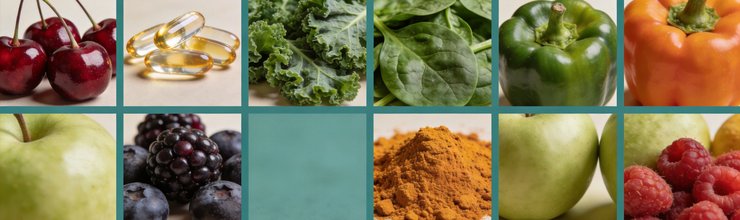
Tart cherry products are one of the few natural approaches with actual research behind them. But they’re not magic pills, and they won’t substitute your urate-lowering medication.
When I looked at the actual studies, the numbers surprised me. A 2012 study in Arthritis & Rheumatology tracked 633 patients with gout and found that those eating cherries had a 35% lower risk of flares compared to those who didn’t (OR 0.65, 95% CI 0.50-0.85). The effect seemed strongest with about two servings daily.
What probably makes cherries work: anthocyanins. These are the pigments that give cherries their deep red color, and they happen to be decent anti-inflammatory agents. They’re not as powerful as nonsteroidal anti-inflammatory drugs (NSAIDs), but they don’t come with the stomach issues either.
“Many patients with gout don’t realize that dietary supplements can play a supportive role, but they must work alongside urate-lowering therapy, not replace it,” notes Dr. Tuhina Neogi, a rheumatologist and gout researcher at Boston University.
The catch? Most of the studies are observational. We don’t have a large randomized controlled trial yet. So take the 35% figure as encouraging rather than definitive. If you like cherries, eat them. If you don’t, don’t force yourself.
Omega-3s: Worth Considering, But Keep Expectations Real
Fish oil supplements have a decent reputation in joint health circles. For gout specifically, the theory makes sense: omega-3 fatty acids reduce inflammation, and gout is fundamentally an inflammatory condition. The evidence is thinner than cherry research.
A 2020 review in Food & Function summarized the anti-inflammatory mechanisms: omega-3s get converted to resolvins and protectins, which actively help resolve inflammation rather than just blocking it. That’s genuinely interesting biochemistry.
But translating that into “this will reduce your gout flares” is a leap we can’t quite make yet. Omega-3s probably won’t move your uric acid levels much. They might help with the inflammatory component of attacks.
For me, the practical recommendation is straightforward: eat fatty fish twice a week anyway (heart health, brain health), and consider a supplement if you’re vegetarian or just don’t like salmon.
Sources that actually work:
- Salmon, mackerel, sardines: the oily ones
- Fish oil capsules (look for third-party testing; some cheaper brands have heavy metal issues)
- Flaxseeds and walnuts if you don’t eat fish (though conversion to the useful forms is inefficient)
If you’re on blood thinners, talk to your doctor before starting high-dose fish oil. It’s a real interaction.
Turmeric: More Hype Than Solid Evidence
Turmeric is having a moment. The compound curcumin has been studied extensively for anti-inflammatory effects, and in laboratory settings, it actually does inhibit some of the same pathways that NSAIDs target. That’s promising.
But here’s the problem nobody talks about: curcumin is poorly absorbed. You can eat turmeric powder until you’re yellow and not get much into your bloodstream. The supplements use various formulations, phospholipid complexes and nanoparticles, to improve absorption, and some include piperine (black pepper extract) for the same reason.
Even with better absorption, we’re talking about effects that are modest compared to standard anti-inflammatory doses of NSAIDs. For acute gout pain, turmeric is not going to substitute your indomethacin.
Where it might fit: as part of a general anti-inflammatory approach, particularly if you’re trying to reduce NSAID use generally. The research for this specific application remains weak.
Dosing if you go for it: 500-1000 mg of standardized curcumin extract daily, ideally with piperine or a phospholipid formulation. Take it with food containing fat.
The Vegetable Purine Myth
For decades, patients with gout were told to avoid spinach, asparagus, mushrooms, vegetables with measurable purine content. This advice was based on a flawed understanding of how purines work in the body.
Vegetable purines don’t behave like animal purines. A 2012 study put people on high-purine vegetable diets and found no increase in serum uric acid. The 2017 DASH diet trial showed that increasing vegetable intake actually lowered uric acid levels. More recent research confirms: vegetable purines are neutral for gout risk, possibly because the fiber, antioxidants, and other compounds in whole vegetables modify how purines are metabolized.
So if you’ve been avoiding spinach, stop. You’re missing out on fiber, vitamins, and compounds that probably help your gout more than the tiny amount of purines hurt it.
Foods That Actually Raise Uric Acid
Let’s be clear about what does increase gout risk:
- Beer and spirits, especially beer. Alcohol increases uric acid production and decreases excretion. Beer adds purines on top of that.
- Fructose, found in high-fructose corn syrup (sodas, processed foods) and fruit juices. Table sugar is half fructose too.
- Shellfish and organ meats, these genuinely have high purine content and raise uric acid.
- Crash diets and extreme fasting, will spike your uric acid rapidly and often trigger flares.
I’ve seen patients panic about eating one serving of mushrooms while washing down their third beer with a soda. That’s backwards priorities.
Hydration: The Simplest Intervention
Your kidneys clear uric acid. When you’re dehydrated, they struggle. Simple as that.
Aim for 8-10 glasses of water daily. More if you’re exercising or it’s hot. This won’t lower your uric acid dramatically, but it helps your kidneys do their job, reduces kidney stone risk (more common in patients with gout), and is just good practice.
I keep a water bottle at my desk and set a reminder to drink. Low-tech solution, but it works.
Weight Loss: Real Benefits, Realistic Timeline
If you’re overweight and lose weight, your uric acid will probably drop. Studies show losses of 5-10% body weight can reduce serum uric acid (SUA) by 1-2 mg/dL.
The caveat: lose weight gradually. Rapid weight loss, especially very low-calorie diets, can temporarily raise uric acid and trigger flares. Target 1-2 pounds per week.
Combine dietary changes with exercise. Insulin sensitivity improvements from physical activity seem to help with uric acid handling beyond just the weight loss effect.
Also worth knowing: bariatric surgery patients often see dramatic uric acid improvements, which tells us body composition and metabolic health matter a lot.
What to Skip
Devil’s claw, bromelain, MSM: I’ve looked at these. The evidence is thin to nonexistent for gout specifically. Some show anti-inflammatory activity in test tubes, but clinical trials in humans with gout? Not there.
Apple cider vinegar videos get shared constantly. There’s no mechanism by which it would lower uric acid. It might help you feel like you’re doing something, which has psychological value, but save your money.
And please, don’t substitute your allopurinol with supplements. Gout progresses. The joint damage, the tophi, the kidney involvement: that’s what we’re trying to prevent.
Supplements can complement your medication. They cannot substitute for it.
Building a Practical Approach
Based on what actually works:
- Eat cherries or take tart cherry extract if you tolerate them well
- Get omega-3s from fish 2x weekly or supplements
- Don’t avoid vegetables: embrace them
- Cut back beer, fructose, and shellfish
- Stay hydrated
- Lose weight gradually if you need to
- Keep taking your urate-lowering medication
None of this is complicated. The challenge is consistency. You don’t need to be perfect, you need to be better than average most of the time.
Talk to Your Doctor First
Before adding any supplement, check with your healthcare provider. Issues to discuss:
- Interactions with your current medications (especially blood thinners, blood pressure drugs)
- Quality and purity of specific products
- Realistic expectations for what supplements can accomplish
Frequently Asked Questions
Q: Can tart cherry juice treat gout?
No. Nothing treats gout except potentially resolving urate crystals through years of effective urate-lowering therapy. Tart cherry products may reduce inflammation and possibly flare frequency, they do not address the underlying urate crystal burden. Don’t let anyone sell you supplements as a gout treatment.
Q: How much tart cherry juice should I drink?
Studies suggesting benefits used roughly one to two servings daily. A “serving” is about a half cup of fresh cherries, four to eight ounces of juice, or one to two tablespoons of concentrate. Avoid products with added sugar: the fructose is counterproductive.
Q: Do supplements interact with allopurinol or febuxostat (Uloric)?
Generally, tart cherry and omega-3 supplements don’t have major interactions with xanthine oxidase inhibitors. However, high-dose turmeric can increase bleeding risk if you’re on blood thinners. Always disclose supplement use to your doctor and pharmacist.
Q: Is there any evidence for baking soda for gout?
Some people swear by baking soda (sodium bicarbonate) for alkalizing urine and potentially improving uric acid excretion. The science here is weak, and the sodium load is concerning if you have high blood pressure or kidney issues. If you want to try it, discuss it with your doctor first.
Q: Can I just take supplements instead of medication?
No. If you have clinical gout requiring urate-lowering therapy, supplements cannot achieve the target uric acid levels needed to dissolve crystals and prevent progression. Supplements may help as adjuncts. They cannot substitute proven pharmaceutical interventions.
References
- Zhang Y, Neogi T, Chen C, Chaisson C, Hunter DJ, Choi HK. Cherry consumption and the risk of recurrent gout attacks. Arthritis and Rheumatology. 2012;64(12):4004-4011. PubMed
- Juraschek SP, Gelber AC, Choi HK, Appel LJ, Miller ER 3rd. Effects of the DASH Diet and Sodium Intake on Serum Uric Acid: The GOUT Trial. Arthritis and Rheumatology. 2016;68(10):2532-2539. PubMed
- Chai W, Coors LG, Huang Q, Niu J, Zhang B. Anti-inflammatory effects and mechanisms of omega-3 fatty acids in gout. Food & Function. 2020;11(8):6892-6904. PubMed
- FitzGerald JD, Dalbeth N, Mikuls T, et al. 2020 American College of Rheumatology Guideline for the Management of Gout. Arthritis Care & Research. 2020;72(6):744-760. PubMed
- Kaneko K, Aoyagi Y, Fukuuchi T, Inazawa K, Yamaoka N. Total purine and purine base content of common foodstuffs. Journal of Nutritional Science and Vitaminology. 2014;60(6):447-454. PubMed
Reviewed by the GoutSavvy Editorial Team