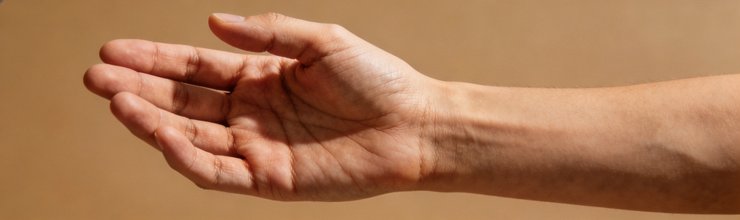
I’ve never had a gout flare in my hand. But I’ve talked to enough people who have, the guy who couldn’t button his shirt for a week after a wrist attack, the woman whose middle finger swelled up during a work presentation, the programmer whose PIP joint flared and left him unable to type for three days, to know that hand gout isn’t just “gout but in the hand.” It’s a different experience. Your hands are how you work, how you take care of yourself, how you interact with the world. When they go down, everything gets harder.
Here’s what you need to know about hand gout specifically: how it happens, how to recognize it, and what actually helps.
Why Hands Get Hit (And Why It Matters More Than the Big Toe)
The big toe gets all the attention in gout discussion. The first metatarsophalangeal (MTP) joint is the textbook location, and the foot is usually where gout starts for most people. But hands are a close second, and for many patients, hand involvement comes earlier than you’d expect.
The anatomical reasons hands are vulnerable are the same reasons they’re inconvenient:
Temperature. Your hands are at the end of your circulatory system. They’re often cooler than your core body temperature, and urate crystals preferentially deposit in cooler tissues. This is also why finger joints get attacked more than the warmer wrist. Your hands are essentially the second-most peripheral joint system in your body.
Constant use and micro-trauma. Every time you grip a steering wheel, open a jar, or type on a keyboard, you’re stressing the joints in your hand. This micro-trauma doesn’t cause gout by itself, but it creates a low-grade inflammatory environment that urate crystals find inviting. Repetitive stress injuries and gout aren’t just coexisting, they may actually synergize.
Many joints, many targets. Each finger has three joints (DIP, PIP, MCP), plus the wrist. That’s a lot of potential deposition sites. The knuckles (MCP joints) are actually a relatively common location for gout attacks, especially in people who’ve had gout for several years.
What a Hand Gout Flare Actually Feels Like
Let me be specific about the presentation, because hand gout can be confused with other hand conditions, carpal tunnel, rheumatoid arthritis, a sprain, infection in the joint (septic arthritis).
Related: How to stop a gout attack
A typical hand gout flare:
Sudden onset. This is usually the first clue that distinguishes gout from other conditions. A gout flare in the hand typically comes on over a few hours, often overnight or first thing in the morning. It’s not “my hand has been getting gradually stiffer.” It’s “I woke up and my middle finger looks like a sausage and I can’t bend it.”
Single joint to start, but can spread. The first attack in the hand is usually one joint, often a finger joint, less commonly the wrist. Within 24-48 hours, adjacent joints may become involved as the inflammatory cascade spreads. This is different from rheumatoid arthritis, which typically affects multiple joints symmetrically from the start.
Swelling that’s disproportionate to the pain. This is characteristic of gout: the joint gets very swollen, often with a glossy, shiny appearance. The skin may be taut and red. In contrast to infection (septic arthritis), the patient usually looks systemically well, no fever, no chills, unless there’s concurrent cellulitis.
First attacks may be shorter. Early gout flares in the hand may resolve faster than advanced-stage flares, a day or two instead of a week. This can be deceptive and lead people to think “that was probably nothing.” It wasn’t nothing. If it was a gout flare, the next one will probably last longer and hurt more.
Signs You’re Past the Early Stage
Hand gout that has been untreated or undertreated for years starts to show different features:
Visible tophi. These are the chalky urate deposits that develop under the skin. In the hand, they often appear on the fingers, particularly near the DIP and PIP joints, and can grow large enough to restrict joint movement. Early tophi may be small and painless. Later tophi can be disfiguring and may ulcerate through the skin.
Joint deformity. After years of crystal deposition and inflammatory damage, joints can become permanently swollen, deviated, or stiff. The fingers may drift to one side. Range of motion decreases. This is why aggressive urate-lowering therapy matters, it’s much easier to prevent this damage than to reverse it.
Reduced grip strength. This sneaks up on people. You don’t notice it until you realize you can’t open a bottle anymore, or you’re dropping things more often. By the time grip strength is noticeably affected, there’s usually already significant structural damage.
Diagnosing Hand Gout
Your doctor has several tools:
Physical exam and history. This is the starting point. The pattern of involvement, sudden onset, single joint initially, rapid escalation of swelling and pain, response to nonsteroidal anti-inflammatory drugs (NSAIDs) or colchicine, all point toward gout.
Joint fluid analysis (arthrocentesis). This is the definitive diagnostic test. A needle is inserted into the swollen joint and fluid is withdrawn. Under a polarized microscope, monosodium urate (uric acid crystals) crystals appear as needle-shaped structures that glow yellow when aligned with the compensator axis. If crystals are seen, the diagnosis is definitive. This isn’t done routinely in clinical practice for every case, but it’s worth pushing for if the diagnosis is genuinely unclear.
Ultrasound. Increasingly used in rheumatology practice. The “double contour sign”, urate crystals deposited on the cartilage surface creating a characteristic appearance, is visible on ultrasound and is fairly specific for gout. It’s non-invasive and increasingly available.
Dual-energy CT. This specialized imaging can actually differentiate urate crystals from calcium, showing their location and volume. It’s mainly used in research settings or for complex cases, but it can confirm gout definitively when other tests are equivocal.
X-ray. Not useful for early gout. X-rays look normal in the first several years of the disease. Late-stage hand gout shows characteristic erosions with “overhanging edges” that are fairly distinctive. By the time these show up on X-ray, though, the damage has been accumulating for years.
Acute Management: What Actually Works
The medications are the same as for foot gout, NSAIDs, colchicine, or corticosteroids, but hand-specific practical tips matter more here because function is so central to daily life.
NSAIDs: Indomethacin is the traditional choice for gout, but any NSAID that works for you is fine. The key is early and adequate dosing. If you wait until the pain is already severe, NSAIDs work less well. Start them at the first sign of a flare.
Colchicine: Most effective when taken within 12-24 hours of flare onset. The traditional dosing (0.6 mg every hour until symptoms resolved or side effects intervened) has been replaced by lower-dose protocols (1.2 mg followed by 0.6 mg one hour later, then 0.6 mg once or twice daily) that are better tolerated. Colchicine is underused in the US compared to other countries, which is a shame, it’s effective and, at proper doses, reasonably safe.
Corticosteroids: Oral prednisone (30-40 mg daily tapering over 5-7 days) works well. For isolated hand joint involvement, a corticosteroid injection directly into the joint (intra-articular steroid injection) can provide rapid relief within 24-48 hours. This is particularly useful when you need your hand functional quickly and systemic steroids aren’t ideal.
Hand-specific supportive measures:
- Elevation. Keeping the hand above heart level helps reduce swelling. Sleep with your hand propped up on pillows.
- Ice, but not directly on skin. 20 minutes on, 20 minutes off. Wrap the ice pack in a towel. Direct ice contact can damage skin over an already inflamed joint.
- Immobilization. A simple wrist brace or splint for a day or two during a severe flare can help. Don’t immobilize long-term, that leads to stiffness and deconditioning. Just enough to get through the worst.
- Remove rings. Swollen fingers and rings are a bad combination. If your finger swells enough that a ring becomes tight, it can cause vascular compromise. Remove rings at the first sign of swelling, even if it seems小题大做.
Protecting Function Between Flares
Between attacks, the goal is preserving range of motion, strength, and fine motor skill. This is an area where occupational therapy can genuinely help, especially for people whose work depends on hand function.
Range of motion exercises when inflammation is minimal. This matters more than people realize. After several flares in a finger joint, the joint capsule can become fibrotic and tight. Gentle stretching each day, even when you’re not in a flare, helps prevent progressive stiffness. I’m not talking about aggressive stretching that causes pain. Just gentle flexion and extension.
Heat before exercise, ice after. Heat loosens stiff joints and increases blood flow. A warm shower or warm towel on the hand for 10 minutes before stretching helps. Ice afterward if the exercise provoked any soreness.
Ergonomic modifications are underrated. If you type for work and have hand gout, an ergonomic keyboard, a vertical mouse, wrist rests, and regular breaks (every 30-45 minutes) can meaningfully reduce cumulative stress on hand joints. Voice-to-text software has gotten much better and can reduce typing load during high-risk periods. These aren’t luxuries, they’re risk management.
The Surgery Question in Hand Gout
Surgery for hand gout is uncommon. Most hand gout is managed medically without surgery. But there are specific indications where surgery becomes relevant:
Large, symptomatic tophi that restrict finger movement or are cosmetically distressing. Removing them doesn’t manage gout—urate-lowering therapy should continue—but it can restore function and prevent complications like ulceration and infection.
Infected tophus. A tophus that breaks through the skin and becomes infected requires urgent surgical debridement. This is not optional.
Joint destruction causing functional loss. In end-stage hand gout with severe joint damage, joint fusion (arthrodesis) is sometimes used to eliminate pain at the cost of joint movement. This sounds drastic, but for small finger joints where some loss of mobility is acceptable in exchange for being pain-free, it can be appropriate.
Joint replacement in the hand is limited. The small joints of the hand don’t have good prosthetic options the way knees and hips do. Fusion is usually the end-stage surgical solution for destroyed hand joints.
Our guide to gout surgery covers the broader surgical considerations.
Workplace Considerations
Hand gout has direct work implications that foot gout often doesn’t. If your job involves fine motor work, this is worth thinking through proactively:
Computer work: Ergonomic setup matters. Consider a split keyboard, a trackpad instead of a mouse, voice dictation for long documents, and wrist rests that support the neutral wrist position. Take breaks—at least站起来走动 every hour.
Manual labor: If your job involves gripping tools, repetitive hand movements, or vibration exposure, discuss accommodations with your employer early. Task rotation, protective gloves (which also protect from cold exposure), and adjusted grip requirements can reduce stress on hand joints. Medical restrictions may be appropriate if hand gout is frequent and progressive.
The key is being proactive rather than reactive. Once you’ve had a significant hand gout attack that affected your work, your employer is more likely to make accommodations. Better to have the conversation before that happens.
When Hand Gout Means Your Treatment Needs to Change
If you’re having flares in your hand, it usually means one of two things:
Either you’ve had gout for a while and it’s progressing—which means your current management plan isn’t aggressive enough to keep uric acid low enough to prevent new joint involvement. Or you’ve had hand gout relatively early in your disease course—which suggests either very high uric acid levels or a particularly aggressive disease pattern.
In either case, hand gout flares are a signal to revisit your treatment plan with your doctor. Ask specifically:
- Is my uric acid level actually at target (below 6 mg/dL, or below 5 mg/dL if you have tophi)?
- Is my current medication dose sufficient?
- Should I be on urate-lowering therapy if I’m not already?
- Is there imaging that would show whether urate deposits are accumulating?
Hand gout that keeps occurring despite “normal” treatment usually means the treatment isn’t actually aggressive enough. Our advanced gout management guide covers when and how to escalate treatment.
Frequently Asked Questions
Can gout affect my hands and fingers?
Yes. While the big toe is most commonly affected, gout can develop in any joint including fingers, knuckles, and wrists. Hand gout may affect daily activities like writing, gripping, and fine motor tasks. Early treatment prevents permanent joint damage.
How is hand gout treated?
Treatment includes urate-lowering medications to address the underlying cause, anti-inflammatory medications for acute attacks, ice and elevation during flares, and sometimes corticosteroid injections. Protecting hands during flares and avoiding repetitive stress helps recovery.
Can hand gout cause permanent damage?
Yes. Repeated attacks can lead to joint erosion, deformity, and loss of function. Tophi may develop in hand joints and tendons. Early and consistent uric acid management is essential to prevent irreversible damage that may require surgery.
Are hand symptoms always gout?
No. Hand pain has many causes including osteoarthritis, rheumatoid arthritis, carpal tunnel, and infection. Proper diagnosis by a rheumatologist ensures you receive appropriate treatment for whatever is causing your symptoms.
References
- Dalbeth N, et al. “Gout.” The Lancet. 2021. https://www.thelancet.com/journals/lancet/article/PIIS0140-6736(20)32571-3
- Neogi T, et al. “2015 Gout Classification Criteria.” Arthritis & Rheumatology. 2015.
- American College of Rheumatology. “2020 Guideline for the Management of Gout.” Arthritis & Rheumatology. 2020.
- Mayo Clinic. “Gout: Symptoms and causes.” 2024. https://www.mayoclinic.org/diseases-conditions/gout/symptoms-causes/syc-20372897
- Kolenda R, et al. “En Masse Excision and managettage for Periarticular Gouty Tophi of the Hands.” ePlasty. 2022.
- Chen-Xu M, Yokose C, Rai SK, Pillinger MH, Choi HK. Contemporary Prevalence of Gout and Hyperuricemia (high uric acid levels) in the United States. Arthritis Rheumatol. 2019;71(5):764-770. PubMed
Reviewed by the GoutSavvy Editorial Team