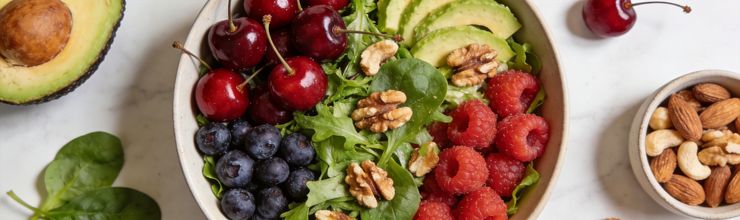
The Dietary Approaches to Stop Hypertension (DASH) Diet for Gout: A Complete Guide
Dietary approaches for gout management have evolved significantly over the years. One eating pattern that has gained strong scientific support is the DASH (Dietary Approaches to Stop Hypertension) diet. Originally designed to lower blood pressure, research shows the DASH diet also reduces serum uric acid levels and lowers gout risk.
What Is the DASH Diet?
The DASH diet is an eating plan developed by the National Institutes of Health to prevent and control hypertension without medication. It emphasizes:
Core Principles
- **Fruits and vegetables**: Abundant servings daily
- **Low-fat dairy**: Milk, yogurt, and cheese
- **Whole grains**: Instead of refined grains
- **Lean proteins**: Including poultry, fish, and plant proteins
- **Limited sodium**: Reduced salt intake
- **Limited sweets and added sugars**
- **Limited red meat and processed meats**
Daily Servings on the DASH Diet
| Grains | 6-8 |
| Vegetables | 4-5 |
| Fruits | 4-5 |
| Low-fat dairy | 2-3 |
| Lean meats, poultry, fish | 6 or less |
| Nuts, seeds, legumes | 4-5 per week |
| Fats and oils | 2-3 |
| Sweets | 5 or less per week |
How the DASH Diet Helps Gout
Research Evidence
Multiple studies have demonstrated the DASH diet’s benefits for people with gout:
Primary Prevention
A 2017 study published in the BMJ analyzed the eating patterns of over 44,000 men and found that the DASH diet was associated with a significantly lower risk of gout, while a typical Western diet was associated with increased risk.
Uric Acid Reduction
A secondary analysis of the DASH-Sodium trial found that participants following the DASH diet experienced significant reductions in serum uric acid levels. The effect was strongest in those with the highest baseline uric acid levels:
- Baseline SUA 6 to <7 mg/dL: -0.76 mg/dL reduction
- Baseline SUA ≥7 mg/dL: -1.29 mg/dL reduction
For perspective, the target uric acid level for most people with gout is below 6.0 mg/dL. A reduction of 1.29 mg/dL approaches the effect size of some urate-lowering medications.
Better Than Low-Purine Diets Alone
Research suggests the DASH diet may be more effective than traditional low-purine diets. The DASH diet reduces uric acid not just by limiting purines, but also through:
- Improved insulin sensitivity
- Better hydration from high fruit and vegetable intake
- Reduced inflammation
- Weight management support
The DASH Diet vs. Low-Purine Diets
Traditional gout diets focused primarily on limiting high-purine foods. However, this approach is often:
- Difficult to sustain long-term
- Nutritionally unbalanced
- Limited in scope
The DASH diet offers advantages:
| Focus | Avoid high-purine foods | Emphasize healthy foods to eat |
| Nutritional balance | May be lacking | Well-balanced |
| Sustainability | Often poor | Generally good |
| Additional benefits | Limited | Blood pressure, heart health |
| Effect on SUA | Modest | Moderate to significant |
Implementing the DASH Diet for Gout
Getting Started
Transitioning to the DASH diet does not require perfection. Here is a practical approach:
Week 1-2: Add, Do Not Remove
Focus on adding more fruits and vegetables to your diet. Aim for one extra serving at each meal.
Week 3-4: Make Substitutions
Replace refined grains with whole grains, switch to low-fat dairy, and choose poultry or fish instead of some red meat meals.
Week 5+: Refine and Sustain
Fine-tune portion sizes and meal planning to make the diet sustainable long-term.
Practical Meal Ideas
Breakfast
- Oatmeal with berries and a splash of low-fat milk
- Whole grain toast with almond butter
- Fresh fruit alongside Greek yogurt
Lunch
- Large mixed green salad with chickpeas and lemon-olive oil dressing
- Whole grain roll on the side
- Low-fat milk or water
Dinner
- Baked salmon (4 ounces)
- Steamed broccoli and carrots
- Quinoa or brown rice
- Fresh fruit for dessert
Snacks
- Handful of unsalted almonds
- Fresh fruit
- Vegetables with hummus
- Low-fat yogurt
Foods to Emphasize
Gout-Friendly Foods on the DASH Diet
- Cherries and berries (anti-inflammatory)
- Citrus fruits ([vitamin C](/vitamin-c-and-gout/))
- Low-fat and nonfat dairy (uric acid-lowering effect)
- Vegetables (most are low-purine)
- Whole grains
- Nuts and seeds
- Legumes (moderate purines but beneficial)
- Coffee (if tolerated)
Foods to Limit
While the DASH diet is not as restrictive as traditional low-purine diets, some moderation is still advised:
- Red meat: Limit to 1-2 times per week
- Organ meats: Avoid completely (very high purines)
- Certain seafood: Limit high-purine options like anchovies, sardines, mussels
- Alcohol: Minimize or avoid
- Sugary beverages and foods: Limit significantly
Foods to Enjoy Freely
- Most vegetables (even those traditionally thought to be high-purine)
- Fruits
- Low-fat dairy
- Eggs
- Coffee and tea
Combining the DASH Diet with Other Lifestyle Changes
The DASH diet works best as part of a comprehensive gout management plan:
Weight Management
If you are overweight, combining DASH eating with gradual weight loss enhances uric acid reduction. Research shows that weight loss can lower uric acid by 0.5-2.8 mg/dL.
Physical Activity
Regular moderate exercise (150-300 minutes weekly) complements the DASH diet’s benefits for gout management.
Hydration
The DASH diet’s high fruit and vegetable content supports good hydration, which is essential for kidney function and uric acid excretion.
Medication Adherence
The DASH diet is a complement to, not a replacement for, prescribed urate-lowering therapy. Most patients need medication to achieve target uric acid levels.
Adapting the DASH Diet to Your Needs
For Vegetarians and Vegans
The DASH diet can easily be adapted:
- Replace dairy with fortified plant alternatives
- Emphasize plant proteins (legumes, tofu, tempeh)
- Ensure adequate protein intake
For People with Kidney Disease
If you have chronic kidney disease (CKD) along with gout, work with a renal dietitian to adapt the DASH diet appropriately. Some modifications may be needed regarding potassium, phosphorus, and protein intake.
For People with Diabetes
The DASH diet is excellent for diabetes management as well. Its emphasis on whole grains, vegetables, and limited sweets supports blood sugar control.
The Bottom Line
The DASH diet represents a modern, evidence-based approach to eating for people with gout. Unlike restrictive low-purine diets of the past, the DASH diet focuses on what you should eat more of rather than what you must avoid.
Key benefits include:
- Clinically demonstrated reduction in serum uric acid
- Lower gout risk compared to Western diets
- Improved blood pressure and cardiovascular health
- Sustainable and nutritionally balanced
- Addresses multiple gout risk factors simultaneously
Talk to your healthcare provider about whether the DASH diet is right for you, and consider meeting with a registered dietitian to help you implement these dietary changes effectively.
Practical Tips for Managing Gout Through Diet
Beyond knowing which foods to avoid, the practical side of a gout-friendly diet deserves attention. Meal planning becomes easier when you focus on what you can eat rather than what you cannot. Most vegetables, whole grains, low-fat dairy products, eggs, and plant-based proteins like tofu are safe choices that do not raise uric acid levels.
One strategy that works well for many people with gout is the “plate method”: fill half your plate with vegetables, one quarter with lean protein, and one quarter with whole grains. This naturally limits purine-heavy foods without requiring complex calorie counting or strict meal plans.
Hydration deserves special emphasis. Water helps your kidneys process and reduce uric acid more efficiently. Some patients find that adding lemon to their water provides additional benefit — citric acid may help alkalinize urine, promoting uric acid excretion. While the evidence for lemon water is not as strong as for prescription medications, it is a low-risk strategy worth trying alongside other dietary changes.
Cooking methods also matter more than most people realize. Boiling purine-rich meats and discarding the cooking liquid can reduce their purine content by up to 50%. This means a boiled chicken breast is a safer choice than the same chicken grilled with the skin on.
Frequently Asked Questions
How does the DASH diet help with gout?
The DASH diet reduces blood pressure and improves cardiovascular health while naturally lowering uric acid levels. Its emphasis on fruits, vegetables, whole grains, and low-fat dairy—while limiting red meat and fructose—aligns well with gout-friendly eating patterns.
Can I follow the DASH diet long-term for gout management?
Yes. The DASH diet is designed as a sustainable eating pattern, not a short-term diet. Its balanced approach makes it practical for lifelong adoption. Many people find they can maintain this way of eating without feeling restricted or deprived.
Does the DASH diet eliminate all high-purine foods?
The DASH diet moderates rather than eliminates high-purine foods. It reduces red meat and organ meats while emphasizing plant-based proteins and low-fat dairy. This moderate approach is more realistic for long-term adherence than strict purine avoidance.
What drinks are allowed on the DASH diet for gout?
Water is the primary beverage. Unsweetened coffee and tea are acceptable. Alcohol should be limited or avoided. Fruit juices should be low-fructose options or consumed in moderation. The diet specifically limits sugar-sweetened beverages.
References
- Chen-Xu M, Yokose C, Rai SK, Pillinger MH, Choi HK. Contemporary Prevalence of Gout and Hyperuricemia (high uric acid levels) in the United States. Arthritis Rheumatol. 2019;71(5):764-770. PubMed
- American College of Rheumatology. 2020 Guideline for the Management of Gout. Arthritis Care & Research. 2020. PubMed
- Neogi T, et al. 2015 Gout Classification Criteria. Arthritis Rheumatol. 2015;67(10):2557-2568. PubMed
- Richette P, Doherty M, Pascual E, et al. 2016 updated European Alliance of Associations for Rheumatology (EULAR) evidence-based recommendations for the management of gout. Ann Rheum Dis. 2017;76(1):29-42. PubMed
- Dalbeth N, Choi HK, Joosten LAB, et al. Gout. Lancet. 2021;397(10287):1843-1855. PubMed
- Choi HK, Atkinson K, Karlson EW, Willett W, Curhan G. Purine-rich foods, dairy and protein intake, and the risk of gout in men. N Engl J Med. 2004;350(11):1093-1103. PubMed
- Choi HK, Willett W, Curhan G. Fructose-rich beverages and risk of gout in women. JAMA. 2010;304(20):2270-2278. PubMed
- Choi HK, Curhan G. Coffee consumption and risk of incident gout in women. Am J Clin Nutr. 2010;92(4):922-927. PubMed
- Zhang Y, Neogi T, Chen C, Chaisson C, Hunter DJ, Choi HK. Cherry consumption and decreased risk of recurrent gout attacks. Arthritis Rheum. 2012;64(12):4004-4011. PubMed
- Becker MA, Schumacher HR, Wortmann RL, et al. Febuxostat compared with allopurinol in patients with hyperuricemia and gout. N Engl J Med. 2005;353(23):2450-2461. PubMed
- Terkeltaub RA, Furst DE, Bennett K, et al. High versus low dosing of oral colchicine for early acute gout flare. Arthritis Rheum. 2010;62(4):1060-1068. PubMed
- Khanna D, Fitzgerald JD, Khanna PP, et al. 2012 American College of Rheumatology guidelines for management of gout. Arthritis Care Res. 2012;64(10):1447-1461. PubMed
- Roddy E, Choi HK. Epidemiology of Gout. Rheum Dis Clin North Am. 2014;40(2):155-175. PubMed
- Bardin T, Richette P. Impact of comorbidities on gout and hyperuricaemia. BMC Med. 2017;15:123. PubMed
- Singh JA, Gaffo A. Gout epidemiology and comorbidities. Semin Arthritis Rheum. 2020;50(3S):S3-S10. PubMed
1. Juraschek SP, et al. Effects of the DASH Diet and Sodium Intake on Serum Uric Acid. Arthritis Rheumatol. 2017.
2. Rai SK, et al. The DASH Diet and Serum Uric Acid. Arthritis Rheumatol. 2017.
3. Zhang M, et al. Role of Diet in Hyperuricemia and Gout. Curr Rheumatol Rep. 2021.
4. Verywell Health. What Foods Should You Avoid With Gout? 2025.
5. Chinese Society of Rheumatology. 2024 Guidelines for Hyperuricemia and Gout Management. 2024.
Related: What Is Gout | Gout Stages | What Causes Gout
References
- Chen-Xu M, Yokose C, Rai SK, Pillinger MH, Choi HK. Contemporary Prevalence of Gout and Hyperuricemia (high uric acid levels) in the United States. Arthritis Rheumatol. 2019;71(5):764-770. PubMed
- American College of Rheumatology. 2020 Guideline for the Management of Gout. Arthritis Care & Research. 2020. PubMed
- Neogi T, et al. 2015 Gout Classification Criteria. Arthritis Rheumatol. 2015;67(10):2557-2568. PubMed
- Richette P, Doherty M, Pascual E, et al. 2016 updated European Alliance of Associations for Rheumatology (EULAR) evidence-based recommendations for the management of gout. Ann Rheum Dis. 2017;76(1):29-42. PubMed
- Dalbeth N, Choi HK, Joosten LAB, et al. Gout. Lancet. 2021;397(10287):1843-1855. PubMed
- Juraschek SP, et al. Effects of the DASH Diet and Sodium Intake on Serum Uric Acid. Arthritis Rheumatol. 2017.
- Rai SK, et al. The DASH Diet and Serum Uric Acid. Arthritis Rheumatol. 2017.
- Zhang M, et al. Role of Diet in Hyperuricemia and Gout. Curr Rheumatol Rep. 2021.
- Verywell Health. What Foods Should You Avoid With Gout? 2025.
- Chinese Society of Rheumatology. 2024 Guidelines for Hyperuricemia and Gout Management. 2024.
Reviewed by the GoutSavvy Editorial Team