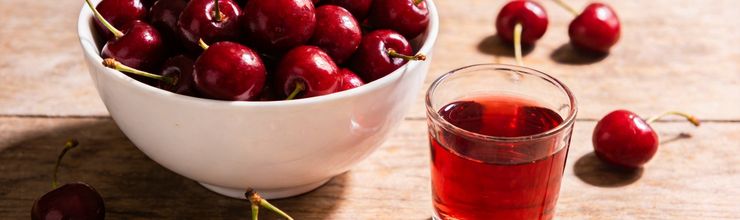
For centuries, cherries have been celebrated not just for their delicious flavor but also for their medicinal properties. Today, modern science is catching up with traditional wisdom, revealing compelling evidence that tart cherries and cherry extract may be powerful allies in the fight against gout. But what does the research actually say, and how should you incorporate this natural remedy into your gout management plan?
The Science Behind Cherries and Gout
Key Active Compounds
Cherries – particularly tart or sour varieties – are rich in several compounds that contribute to their potential gout-fighting properties:
- Anthocyanins: Pigments that give cherries their deep red color; potent anti-inflammatory compounds
- Quercetin: A flavonoid with demonstrated xanthine oxidase inhibitory activity
- Vitamin C: Supports uric acid excretion through the kidneys
- Potassium: Helps maintain proper kidney function and fluid balance
Mechanisms of Action
Research published in clinical literature identifies multiple ways cherries may help manage gout:
- Xanthine Oxidase Inhibition: Anthocyanins inhibit the enzyme that produces uric acid from purines
- Anti-Inflammatory Effects: Modulation of NF-κB inflammatory pathways
- Enhanced Uric Acid Excretion: Support for kidney function
- Antioxidant Protection: Reducing oxidative stress that contributes to inflammation
What the Research Shows
Clinical Studies on Cherry Consumption
Landmark Research from Boston University
A study published in Arthritis & Rheumatology followed 633 people with gout and found that those who consumed cherries had a 35% lower risk of gout attacks compared to those who did not. The protective effect was strongest for consuming 1-2 servings (about 10-12 cherries or 200g) daily.
Uric Acid Reduction Studies
| Study Type | Cherry Form | Duration | Uric Acid Reduction | Source |
|---|---|---|---|---|
| randomized controlled trial (RCT) | Tart cherry juice (480mL/day) | 4 weeks | ~35% | Arthritis & Rheumatology, 2012 |
| Meta-analysis | Cherry extract/supplements | Various | 15-30% | Nutrients, 2020 |
| Clinical trial | Tart cherry concentrate | 48 hours | 1.5-2 mg/dL | Multiple studies |
| Observational | Fresh cherries (45 Bing) | 5 hours | 14% | Food Science research |
Flare Prevention Evidence
Research from clinical protocols demonstrates that tart cherry consumption:
- Reduces gout flare frequency by up to 50% with consistent daily intake
- Decreases joint swelling and pain during flares
- May reduce reliance on anti-inflammatory medications
Tart Cherries vs. Sweet Cherries
Tart (Sour) Cherries
Examples: Morello cherries, Montmorency cherries
- Higher anthocyanin content
- More acidic (better for alkalizing urine)
- More research supporting gout benefits
- Often consumed as juice or concentrate
Sweet Cherries
Examples: Bing cherries, Rainier cherries
- Lower anthocyanin content than tart varieties
- Still provide benefits, though possibly less potent
- Higher sugar content
- Good fresh snack option
Comparison Table
| Factor | Tart Cherries | Sweet Cherries |
|---|---|---|
| Anthocyanin content | Higher | Lower |
| Research support | Strong | Moderate |
| Best form | Juice, concentrate, extract | Fresh |
| Sugar content | Lower | Higher |
| Recommended for gout | Yes – first choice | Yes – secondary option |
Cherry Products: Which to Choose?
Tart Cherry Juice Concentrate
Pros:
- Concentrated anthocyanins
- Easy to mix with water
- Long shelf life
- Research-backed benefits
Dosage: 1-2 ounces concentrate diluted in water daily (equivalent to 45-90 cherries)
Cherry Extract Supplements
Pros:
- Standardized anthocyanin content
- Convenient capsule form
- No added sugars
- Precise dosing
Dosage: 400-600 mg standardized extract daily (check label for anthocyanin content)
Fresh or Frozen Cherries
Pros:
- Whole food, no processing
- Contains fiber
- Naturally low in purines
- Hydrating
Dosage: 10-12 cherries (about 200g) daily
Cherry Powder
Pros:
- Long shelf life
- Can be mixed into smoothies
- Concentrated form
How to Incorporate Cherries Into Your Gout Diet
Daily Cherry Protocol
| Time of Day | Cherry Product | Amount | Notes |
|---|---|---|---|
| Morning | Tart cherry juice or extract | 1-2 oz juice or 400mg extract | With breakfast |
| Snack | Fresh cherries | 10-12 cherries | Between meals |
| Evening | Tart cherry juice | 1-2 oz | May support sleep |
Cherry Smoothie Recipe
A gout-friendly smoothie combining multiple protective ingredients:
- 1 cup frozen tart cherries
- 1/2 cup low-fat Greek yogurt
- 1 tablespoon ground flaxseed
- 1/4 cup water or unsweetened almond milk
- Optional: 1/4 teaspoon turmeric powder
Cooking with Cherries
Cherries can be incorporated into meals:
- Add to salads (cherry + goat cheese + spinach)
- Salsa with cherries, cilantro, and lime
- Savory cherry sauce for meat (low-sugar version)
Combining Cherry with Other Natural Remedies
Synergistic Combinations
Research suggests cherry extract works well with other evidence-based gout supplements:
- Vitamin C: Enhanced uric acid lowering (both support renal excretion)
- Celery seed extract: Complementary xanthine oxidase inhibition
- Fish oil (Omega-3s): Additional anti-inflammatory effects
- Bromelain: Improved absorption of cherry compounds
Important Cautions
Medication Interactions
While cherries are generally safe, they may interact with certain medications:
- Blood thinners (warfarin): Cherries contain vitamin K; maintain consistent intake
- Diuretics: Combined potassium may affect electrolyte balance
- Diabetes medications: Cherries affect blood sugar; monitor levels
Considerations for Certain Individuals
- Kidney stones: Cherry oxalate content may be a concern; discuss with doctor
- Allergies: Rare but possible; start with small amounts
- Fructose sensitivity: May need to limit intake
Cherry vs. Medication: What the Evidence Says
While cherry consumption shows promise, it should complement rather than replace proven gout treatments. American College of Rheumatology (ACR) guidelines recommend urate-lowering therapy for appropriate patients.
Comparison with Pharmaceuticals
Natural remedies like cherries are generally less potent than prescription medications:
| Treatment | Uric Acid Reduction | Evidence Level | Notes |
|---|---|---|---|
| Allopurinol | 2-6 mg/dL | Very strong | First-line medication |
| Febuxostat | 2-8 mg/dL | Very strong | Alternative medication |
| Tart cherry | 1-2 mg/dL | Moderate | Adjunctive therapy |
Conclusion
Cherry consumption – particularly tart cherry juice or extract – represents one of the most well-supported natural interventions for gout management. Research demonstrates meaningful reductions in both serum uric acid levels and gout attack frequency.
However, cherries should be viewed as part of a comprehensive gout management strategy that includes dietary modifications, adequate hydration, weight management, and appropriate medication when prescribed. Be sure to discuss significant dietary changes or supplement additions with your healthcare provider.
Practical Tips for Managing Gout Through Diet
Beyond knowing which foods to avoid, the practical side of a gout-friendly diet deserves attention. Meal planning becomes easier when you focus on what you can eat rather than what you cannot. Most vegetables, whole grains, low-fat dairy products, eggs, and plant-based proteins like tofu are safe choices that do not raise uric acid levels.
One strategy that works well for many people with gout is the “plate method”: fill half your plate with vegetables, one quarter with lean protein (chicken, fish in moderation, or plant-based options), and one quarter with whole grains. This naturally limits purine-heavy foods without requiring complex calorie counting or strict meal plans.
Hydration deserves special emphasis. Water helps your kidneys process and reduce uric acid more efficiently. Some patients find that adding lemon to their water provides additional benefit — citric acid may help alkalinize urine, promoting uric acid excretion. While the evidence for lemon water is not as strong as for prescription medications, it is a low-risk strategy worth trying alongside other dietary changes.
Cooking methods also matter more than most people realize. Boiling purine-rich meats and discarding the cooking liquid can reduce their purine content by up to 50%. This means that a boiled chicken breast is a safer choice than the same chicken cooked in its own juices or grilled with the skin on.
It is worth noting that the beneficial effects appear most consistent with fresh cherries and cherry juice concentrate rather than cherry extract supplements, which have less research backing. The anthocyanin content varies significantly between cherry varieties, with tart (Montmorency) cherries generally showing higher concentrations than sweet ones.
Frequently Asked Questions
What foods trigger gout the most?
Organ meats (liver, kidney), certain seafood (anchovies, sardines, shellfish), and high-fructose foods are the biggest dietary triggers. Red meat and beer also raise uric acid significantly. Not everyone reacts the same way, so tracking your personal triggers with a food diary can help you identify your specific problem foods.
Can I ever eat steak or seafood again?
Yes, in moderation. A small portion of lean red meat (3–4 oz) once or twice a week is usually fine for most people with gout. The key is balancing purine-rich foods with plenty of water, low-fat dairy, and vegetables. Talk to your doctor about what portions work for your uric acid levels.
Do vegetables high in purines cause gout attacks?
No. Research consistently shows that purines from plant sources — even high-purine vegetables like spinach, mushrooms, and lentils — do not increase gout risk. Only animal-derived purines significantly raise uric acid levels. This is one of the most common misunderstandings about gout diets.
How much water should I drink to prevent gout?
Most rheumatologists recommend at least 8 glasses (64 oz) of water daily. Staying well-hydrated helps your kidneys flush out excess uric acid. During a flare, increasing fluid intake can help speed recovery. Coffee and low-fat milk also have mild uric-acid-lowering effects.
Research also shows coffee may protect against gout.
Dairy products are another gout-friendly food group.
For a comprehensive dietary approach, see our complete gout diet guide.
References
- PubMed. Arthritis & Rheumatology. 2012.
- Uric Acid Metabolism Dysfunction: Root Cause Analysis. Harvest Heal. 2026.
- Uric Acid Lowering Protocol. Harvest Heal. 2026.
- PubMed. Arthritis Care & Research. 2020.
- Tart Cherry Extract: Science and Benefits. Nootropics Depot. 2024.
- Foods That Lower Uric Acid. Science Insights. 2024.
- Chen-Xu M, Yokose C, Rai SK, Pillinger MH, Choi HK. Contemporary Prevalence of Gout and Hyperuricemia (high uric acid levels) in the United States. Arthritis Rheumatol. 2019;71(5):764-770. PubMed
- Neogi T, et al. 2015 Gout Classification Criteria. Arthritis Rheumatol. 2015;67(10):2557-2568. PubMed
- Dalbeth N, Choi HK, Joosten LAB, et al. Gout. Lancet. 2021;397(10287):1843-1855. PubMed
Reviewed by the GoutSavvy Editorial Team