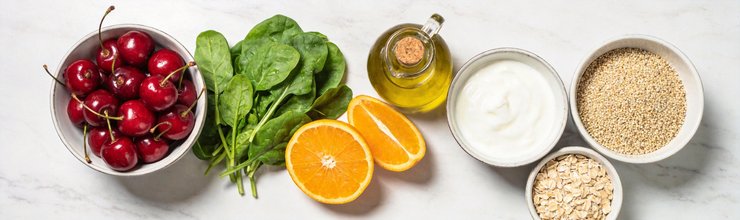
Best Foods for Gout: What to Eat and What to Avoid
I’ve tried the “eat this, not that” approach to gout diet more times than I’d like to admit. Every time a new article promised that following some strict list of good foods would keep my uric acid in check, I’d clean out my fridge, load up on low-fat yogurt and brown rice, and then, somewhere around day four, find myself eating pizza because, honestly, life is too short and gout is too stubborn to be solved by kale.
So here’s what actually works, based on what the research says and what I’ve learned from eating this way for years. Not a perfect diet. A doable one.
The Dietary Approaches to Stop Hypertension (DASH) Diet Actually Makes Sense for Gout
Most gout diet advice is basically a list of things to avoid. Less useful.
A 2017 study published in the British Medical Journal compared the DASH diet, which was designed to lower blood pressure, with a typical Western diet in over 44,000 men. The DASH group had significantly lower gout risk. Not because DASH is some magic gout manage, but because it does two things well: it cuts out a lot of the junk that raises uric acid, and it adds foods that genuinely support kidney function.
The Western diet, by contrast, was associated with higher gout risk. That shouldn’t surprise anyone who’s eaten the standard American or Chinese urban diet, lots of processed meat, sugary drinks, and refined carbs. The same things that mess with your blood pressure and blood sugar also happen to push uric acid up.
If you’re going to follow an actual eating pattern rather than just a random list of good foods, DASH is probably your best starting point. But, and this matters, you don’t have to follow it perfectly. Even partial adoption helps. Losing even modest amounts of weight while eating more plants and fewer processed foods moves the needle on uric acid.
Cherries: Where the Evidence Is Actually Pretty Solid
I want to start with cherries because this one feels different from most nutrition research, it’s been studied enough that I don’t feel like I’m citing a single outlier study.
Related: Meal plan
Related: Grocery list
Related: Gout diet guide
Multiple studies, including a 2012 Boston University study of 633 people with gout published in Arthritis & Rheumatology, found that cherry consumption was associated with a 35% lower risk of gout flares. The proposed mechanism involves anthocyanins, pigment compounds in cherries that have anti-inflammatory properties. Uric acid crystals trigger inflammation through the NLRP3 inflammasome pathway, and anthocyanins seem to interfere with that process.
Both sweet and tart cherries work. The Boston study included Bing and other sweet varieties along with tart Montmorency cherries. Juice, whole fruit, and extract forms all showed effects in various studies.
Here’s the honest part: nobody’s sure exactly how much you need. Studies used anywhere from 10 cherries a day to two tablespoons of extract. I eat a handful of tart cherries most days and add a splash of juice to my water. Is it doing something? Probably. Is it a manage? Clearly not.
One thing worth noting: the benefit seems strongest when you eat cherries before a flare starts, if you’re already in the middle of an attack, they’re not going to pull you out of it. Think of them as part of a long-game prevention strategy, not a rescue measure.
If you want to dig deeper, our guide to vitamins and supplements covers other options alongside dietary approaches.
Low-Fat Dairy: Good Evidence, Boring Execution
Dairy is one of the more consistently supported dietary interventions for gout in the research literature. A 2004 study in The New England Journal of Medicine found that consuming low-fat dairy protein significantly lowered serum uric acid levels. The proposed mechanism involves certain milk proteins (orotic acid and casein) that appear to increase uric acid excretion through the kidneys.
In plain terms: milk proteins seem to help your kidneys get rid of more uric acid rather than reabsorbing it. That’s a useful mechanism, not just a correlation.
Practically speaking, this means low-fat or nonfat milk, plain low-fat yogurt, and kefir. Greek yogurt works too, as long as it’s not loaded with sugar. One honest caveat: the uric acid-lowering effect from dairy is modest. You’re not going to normalize a 9 mg/dL uric acid level with milk alone. But as part of a broader dietary shift, it adds up.
Full-fat dairy is a different story. The saturated fat and higher calorie load don’t help, and some evidence suggests whole milk may not have the same uric acid-lowering effect. Skip the full-fat versions.
One more thing, and this is something I had to learn the hard way: sweetened yogurts and flavored milk products don’t count. A vanilla yogurt that’s basically dessert in a cup will undo whatever benefit you got from the dairy protein. Read labels or stick to plain.
Vitamin C: Helpful, But Don’t Overdo It
Vitamin C has decent evidence for lowering uric acid. A 2005 study at Johns Hopkins found that 500 mg daily of vitamin C supplementation reduced uric acid levels by about 0.5 mg/dL over two months. That’s meaningful, but not dramatic.
Food-based vitamin C is almost certainly a better approach than supplements. Citrus fruits, bell peppers, kiwi, and strawberries all provide meaningful amounts without the risk of over-supplementation. The concern with high-dose supplements (over 2,000 mg daily) is that they may actually trigger flares in some people, the mechanism isn’t entirely clear, but it shows up in clinical reports often enough that most rheumatologists will warn you about it.
One specific caution: grapefruit. Grapefruit is high in vitamin C and generally fine for gout, but it inhibits the CYP3A4 enzyme that metabolizes colchicine, a common gout medication. If you’re on colchicine, skip the grapefruit and grapefruit juice. Oranges and other citrus don’t have this interaction. Our vitamin C and gout guide has more detail on this.
Whole Grains: The 2025 Data That Flew Under the Radar
Most people don’t associate grains with gout management, but a 2025 study in Arthritis Care & Research found something worth knowing: people who ate at least one serving daily of whole grain cold cereal, cooked oatmeal, or oat bran had significantly lower gout risk compared to those who rarely ate whole grains.
The likely explanation is that whole grains improve insulin sensitivity. Hyperinsulinemia, elevated insulin levels from a diet high in refined carbs, impairs uric acid excretion. This is also why the connection between gout and fatty liver disease is so tight: both conditions cluster with insulin resistance.
Switching from white rice to brown rice, white bread to whole grain, and sugary cereals to oatmeal isn’t glamorous. But it hits multiple problems at once, blood sugar, insulin sensitivity, fiber intake, and, apparently, gout risk.
One practical note: oat bran seems to get the most attention in the gout-specific research. If you want to pick one grain to start with, that’s probably it.
What Actually Raises Uric Acid (And What most people Gets Wrong)
Here’s where gout diet advice usually goes off the rails: it focuses too much on individual “good” foods and not enough on the actual drivers of high uric acid.
The three biggest culprits in most modern diets:
Alcohol, especially beer. Beer is uniquely bad for gout because it contains guanosine, a type of purine from yeast, on top of the alcohol effect that impairs kidney excretion and causes dehydration. A 2004 study in The Lancet found that beer raised uric acid levels significantly more than an equivalent amount of spirits. Wine is considerably less problematic, but still not benign during active flares. If you have gout and drink, this is probably the single most impactful change you can make.
High-fructose corn syrup. HFCS is in an enormous number of processed foods and soft drinks. Fructose is metabolized differently from other sugars, it goes directly to purine metabolism and produces uric acid as a byproduct. The 2024 Chinese nutrition guidelines specifically flagged HFCS as a concern for hyperuricemia (high uric acid levels) patients. Read labels. You’d be surprised where this shows up, in condiments, sauces, bread, and “fruit-flavored” drinks that have no actual fruit in them.
Red meat, but not for the reason most people think. Yes, red meat is high in purines. But the more important issue is that heavy meat consumption is correlated with insulin resistance and kidney stress. A small portion of lean beef once or twice a week is not going to destroy your uric acid control. Eating meat with every meal will. The purine content matters, but so does the broader metabolic context.
One myth worth dispelling: vegetable purines don’t behave the same way as animal purines. Spinach, asparagus, mushrooms—these contain purines but the research consistently shows they don’t raise gout risk the way meat and shellfish do. The fiber, antioxidants, and micronutrients in vegetables more than offset any purine concerns. Don’t avoid vegetables out of purine fear. Nightshade vegetables and gout are another common misconception we cover in detail.
What About Coffee?
I’ve gone back and forth on coffee and gout more than I’d like to admit. The research is genuinely confusing: multiple observational studies show that coffee consumption is associated with lower uric acid levels and lower gout risk. A 2007 Harvard study of nearly 46,000 men found that long-term coffee consumption was linked to lower uric acid. Both regular and decaf coffee showed the association.
The proposed mechanism involves compounds in coffee (not caffeine) that may improve insulin sensitivity and inhibit xanthine oxidase—the same enzyme that allopurinol targets.
But here’s the thing: if you don’t already drink coffee, I’m not sure I’d start just because of the gout research. The association is interesting, but it doesn’t mean coffee is medicine. And loading your coffee with sugar and high-fructose creamers would undermine any potential benefit anyway.
If you already drink one to three cups a day, you probably don’t need to stop. If you’re drinking six cups washing it down with sweetened creamer, that’s a different problem.
The Honest Meal Plan
Rather than another list of foods to eat and avoid, here’s how I actually eat on a typical day when I’m taking gout management seriously:
Breakfast: Oatmeal with a handful of berries and a splash of low-fat milk. Sometimes I add a bit of nut butter if I’m hungry. Not exciting, but it works.
Lunch: Whatever’s left from dinner the night before, or a grain bowl with chickpeas, roasted vegetables, and a simple dressing. Leftover lentil soup is a staple.
Snacks: This is where I usually fail. Unsalted nuts work. Fruit works. A low-fat yogurt works. What doesn’t work: vending machine snacks, which is what I usually end up with at 3 PM when I’m starving and don’t have anything prepped.
Dinner: Grilled or baked protein (small portion—3 to 4 ounces), a large serving of vegetables, and a whole grain. I try to make at least half my plate vegetables. Rice or noodles if I have them, but smaller portions than I’d naturally want.
Drinks: Water, mostly. Sometimes coffee. Alcohol is genuinely rare—maybe once a month, and usually wine rather than beer.
The thing I want to be honest about: this is not what I eat every single day. Some weeks it’s cleaner than others. The goal isn’t perfection—it’s a direction. Eating this way more often than not is better than eating perfectly for two weeks and then abandoning it entirely.
Frequently Asked Questions
What foods should I eat to manage gout?
Focus on low-purine foods including cherries, low-fat dairy, complex carbohydrates, eggs, and most vegetables. These foods either contain minimal purines or may actively help reduce uric acid. A balanced plate approach ensures nutritional adequacy while managing gout.
Are vegetables restricted on a gout diet?
No. Vegetables are not restricted. Despite some myths about nightshades, research shows vegetable purines do not significantly raise uric acid or trigger flares. In fact, vegetables contain compounds that may help reduce inflammation and support overall health.
What snacks are safe for people with gout?
Safe snacks include nuts, seeds, fresh fruit, vegetables with hummus, popcorn, and low-fat cheese. Avoid processed snacks with high-fructose corn syrup and limit protein-heavy snacks if purine intake is a concern.
Can I eat out at restaurants while managing gout?
Yes. Choose restaurants with varied menus and opt for grilled, baked, or steamed preparations rather than fried. Request modifications like substituting vegetables for meat. Focus on portion control and stay hydrated with water rather than alcohol.
References
- Choi HK, et al. “Purine-rich foods, dairy and protein intake, and the risk of gout in men.” The New England Journal of Medicine. 2004. https://www.nejm.org/doi/full/10.1056/NEJMoa035700
- Zhang M, et al. “Dietary approaches to stop hypertension (DASH) diet and risk of gout in men.” BMJ. 2017. https://www.bmj.com/content/357/bmj.j1794
- Zhang Y, et al. “Cherry consumption and the risk of gout flares.” Arthritis & Rheumatology. 2012. https://onlinelibrary.wiley.com/doi/full/10.1002/art.34377
- What to Eat (and Avoid) If You Have Gout. National Kidney Foundation. 2025. https://www.kidney.org/news-stories/what-to-eat-and-avoid-if-you-have-gout
- 高尿酸血症营养和运动指导原则(2024年版). National Health Commission of China. 2024. http://www.nhc.gov.cn/ylyjs/pqt/202406/
- Chen-Xu M, Yokose C, Rai SK, Pillinger MH, Choi HK. Contemporary Prevalence of Gout and Hyperuricemia in the United States. Arthritis Rheumatol. 2019;71(5):764-770. PubMed
Reviewed by the GoutSavvy Editorial Team