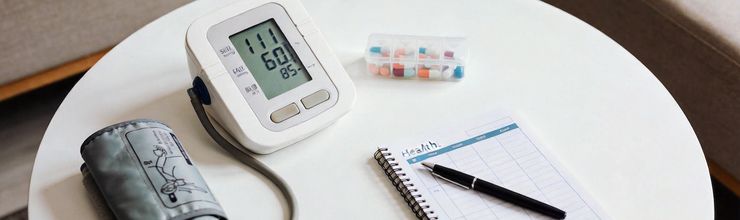
The Overlapping Epidemics
When examining the health profiles of people with gout, one striking pattern emerges: approximately 50% of individuals with gout also have diagnosed hypertension. This is not mere coincidence. The relationship between gout (driven by hyperuricemia (high uric acid levels)) and high blood pressure is bidirectional and mechanistically intertwined, creating a dangerous cycle that compounds cardiovascular risk.
Scope of the Problem
Epidemiological studies consistently demonstrate the connection:
- people with gout are 40-60% more likely to have hypertension than those without gout
- Hypertension patients show increased gout incidence
- Both conditions share common underlying mechanisms
- The combination significantly elevates cardiovascular disease risk
Understanding the Bidirectional Relationship
How Hypertension Contributes to Gout
High blood pressure affects uric acid metabolism through multiple pathways:
Renal Mechanisms
Chronic hypertension damages the delicate blood vessels supplying the kidneys, impairing their ability to filter and excrete waste products including uric acid. Key mechanisms include:
- Arteriolosclerosis: Thickening of small renal arteries reduces glomerular filtration rate
- Reduced renal blood flow: Decreased perfusion impairs uric acid clearance
- Insulin resistance: Often accompanies hypertension and reduces urate excretion
- Activation of renin-angiotensin system: Angiotensin II may directly influence uric acid handling
Medications for Hypertension
Many blood pressure medications paradoxically worsen hyperuricemia:
- Thiazide diuretics: Most significant uric acid-raising effect (increases by 0.6-2.0 mg/dL)
- Loop diuretics: Similar mechanism to thiazides
- Beta-blockers: Modest uric acid elevation
- Niacin: Used for dyslipidemia but raises blood pressure and uric acid
How Hyperuricemia Contributes to Hypertension
Evidence increasingly suggests that elevated uric acid itself can cause or worsen hypertension, creating a vicious cycle:
Endothelial Dysfunction
Uric acid inhibits nitric oxide bioavailability, a critical molecule for blood vessel relaxation. Reduced nitric oxide leads to:
- Vasoconstriction
- Increased vascular resistance
- Elevated blood pressure
Oxidative Stress
Urate crystals and elevated uric acid stimulate inflammatory pathways that generate reactive oxygen species, promoting vascular damage and stiffness.
Renin-Angiotensin-Aldosterone System Activation
Elevated uric acid stimulates the renin-angiotensin system, leading to:
- Increased sodium reabsorption
- Blood volume expansion
- Vasoconstriction
- Sustained hypertension
Vascular Smooth Muscle Proliferation
Uric acid enters vascular smooth muscle cells, triggering proliferation that contributes to arterial stiffening and sustained hypertension.
Blood Pressure Medications and Uric Acid
Understanding which antihypertensives affect uric acid is crucial for optimizing treatment in people with gout:
Medications That Raise Uric Acid (Use with Caution)
| Medication Class | Uric Acid Effect | Clinical Consideration |
|---|---|---|
| Thiazide diuretics | Increase 0.6-2.0 mg/dL | Often first-line hypertension choice, requires monitoring in people with gout |
| Loop diuretics | Increase 0.6-1.7 mg/dL | Useful for volume overload but monitor closely in gout |
| Beta-blockers | Modest increase | Atenolol and metoprolol particularly concerning |
| Niacin | Significant increase | Generally avoided in people with gout |
Medications That Lower or Neutral Uric Acid (Preferred)
| Medication Class | Uric Acid Effect | Clinical Consideration |
|---|---|---|
| Losartan | Lowers uric acid 10-20% | Excellent choice for gout + hypertension |
| Calcium channel blockers | Modest decrease | Amlodipine, nifedipine are good options |
| Fenofibrate | Lowers uric acid | Beneficial if dyslipidemia also present |
| SGLT2 inhibitors | Lowers uric acid | Additional cardiovascular/renal benefits |
Losartan: The Gout-Friendly Blood Pressure Medication
Among antihypertensive agents, losartan (an angiotensin receptor blocker or ARB) stands out for its unique uric acid-lowering properties.
How Losartan Lowers Uric Acid
Losartan inhibits the URAT1 transporter in the kidneys, which is responsible for reabsorbing uric acid from the urine back into the bloodstream. By blocking this transporter:
- More uric acid is excreted in urine
- Serum uric acid levels decrease
- The dual benefit of blood pressure control and uric acid reduction is achieved
Clinical Evidence
Multiple studies support losartan’s uricosuric effect:
- Reduces serum uric acid by approximately 10-20%
- May reduce gout flare frequency
- Provides renoprotective effects independent of blood pressure lowering
- Does not interfere with allopurinol or febuxostat metabolism
Limitations
While losartan offers unique benefits, it is not a substitute for urate-lowering therapy:
- Uric acid reduction is modest compared to xanthine oxidase inhibitors
- Still requires concurrent ULT for adequate control in most patients
- May not be sufficient as monotherapy for severe gout
The Dietary Approaches to Stop Hypertension (DASH) Diet: Dual Benefits for Both Conditions
The Dietary Approaches to Stop Hypertension (DASH) diet offers remarkable advantages for patients managing both gout and hypertension. Research published in the British Medical Journal demonstrated that the DASH diet:
- Reduced systolic blood pressure by 5-6 mmHg
- Lowered serum uric acid by approximately 0.35 mg/dL
- Provided benefits that were additive to blood pressure medications
DASH Diet Principles
- Emphasize: Fruits, vegetables, whole grains, low-fat dairy
- Include: Nuts, legumes, lean proteins
- Limit: Sodium (under 2,300 mg/day), red meat, added sugars
- Avoid: Sugar-sweetened beverages, processed foods
Why It Works for Both Conditions
The DASH diet’s effectiveness stems from its emphasis on foods that naturally support both conditions:
- Potassium-rich foods: Promote uric acid excretion and lower blood pressure
- Low-fat dairy: Associated with lower uric acid and blood pressure
- Limited sodium: Reduces fluid retention and blood pressure
- High fiber: Improves insulin sensitivity, supporting uric acid excretion
Lifestyle Strategies for Managing Both Conditions
Weight Management
Weight loss addresses both hypertension and hyperuricemia:
- Every 10 pounds lost reduces blood pressure by approximately 1 mmHg
- Weight loss decreases uric acid production from reduced purine turnover
- Improves insulin sensitivity, enhancing uric acid excretion
- Limit rate of loss to 1-2 pounds per week to avoid triggering flares
Sodium Restriction
Reducing sodium intake directly impacts blood pressure:
- Target: Less than 2,300 mg sodium daily
- Ideal: Less than 1,500 mg daily for significant hypertension
- Read labels carefully—processed foods contain hidden sodium
Hydration Strategy
Adequate hydration serves both conditions:
- Supports uric acid excretion
- Helps maintain blood volume for stable blood pressure
- Prevents kidney stones (common in people with gout)
- Target: 8-10 glasses of water daily
Alcohol Limitation
Alcohol affects both conditions significantly:
- Raises blood pressure
- Increases uric acid production
- Impairs uric acid excretion
- Recommendation: Limit to 1 drink daily for women, 2 for men (ideally avoid entirely)
Treatment Approach: Coordinating Care
Managing patients with both gout and hypertension requires a coordinated strategy:
Medication Selection
When selecting antihypertensives for people with gout:
- First choice: Losartan (provides modest uric acid lowering)
- Second choice: Calcium channel blockers (amlodipine, nifedipine)
- Third choice: Other ARBs if losartan not tolerated
- Avoid: Thiazide diuretics as first-line if gout is active
- If diuretics necessary: Add concurrent urate-lowering therapy
Monitoring Recommendations
- Check uric acid levels at gout diagnosis and periodically during treatment
- Monitor blood pressure at each visit until controlled
- Assess renal function annually (affects both conditions)
- Evaluate cardiovascular risk comprehensively
Treatment Goals
| Parameter | Target | Notes |
|---|---|---|
| Serum uric acid | Less than 6 mg/dL | Less than 5 mg/dL if tophi present |
| Blood pressure (general) | Less than 130/80 mmHg | Less than 140/90 for some patients |
| Blood pressure (diabetes/kidney disease) | Less than 130/80 mmHg | Individualize based on comorbidities |
Key Takeaways
- Approximately 50% of people with gout have hypertension
- The relationship is bidirectional—each condition worsens the other
- Thiazide diuretics commonly used for hypertension significantly raise uric acid
- Losartan is the preferred antihypertensive for people with gout (lowers uric acid)
- Calcium channel blockers are also gout-friendly options
- The DASH diet improves both blood pressure and uric acid levels
- Lifestyle modifications (weight loss, sodium restriction, hydration) benefit both conditions
- Comprehensive cardiovascular risk assessment is essential in people with gout
Beyond medication, simple daily habits can help you manage both conditions simultaneously. Investing in a home blood pressure monitor lets you track trends between doctor visits, while keeping a gout flare diary helps identify patterns tied to BP spikes. Even small changes, such as reducing restaurant meals (which tend to be high in sodium and hidden purines) and swapping sugary beverages for water or tart cherry juice, can produce measurable improvements in both uric acid and blood pressure readings over time.
Frequently Asked Questions
What foods trigger gout the most?
Organ meats (liver, kidney), certain seafood (anchovies, sardines, shellfish), and high-fructose foods are the biggest dietary triggers. Red meat and beer also raise uric acid significantly. Not everyone reacts the same way, so tracking your personal triggers with a food diary can help you identify your specific problem foods.
Can I ever eat steak or seafood again?
Yes, in moderation. A small portion of lean red meat (3–4 oz) once or twice a week is usually fine for most people with gout. The key is balancing purine-rich foods with plenty of water, low-fat dairy, and vegetables. Talk to your doctor about what portions work for your uric acid levels.
Do vegetables high in purines cause gout attacks?
No. Research consistently shows that purines from plant sources — even high-purine vegetables like spinach, mushrooms, and lentils — do not increase gout risk. Only animal-derived purines significantly raise uric acid levels. This is one of the most common misunderstandings about gout diets.
How much water should I drink to prevent gout?
Most rheumatologists recommend at least 8 glasses (64 oz) of water daily. Staying well-hydrated helps your kidneys flush out excess uric acid. During a flare, increasing fluid intake can help speed recovery. Coffee and low-fat milk also have mild uric-acid-lowering effects.
Related: Metabolic Syndrome | Gout and Kidney Disease | Gout and Diabetes
Similar connections exist with diabetes and high cholesterol.
Some blood pressure medications can trigger gout. Discuss alternatives with your doctor.
References
Reviewed by the GoutSavvy Editorial Team