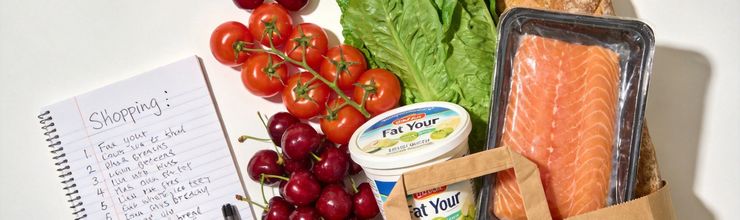
Your Complete Guide to Shopping for a Gout-Friendly Diet
Walking through a grocery store with gout can feel overwhelming. Is this food safe? Will that ingredient trigger a flare? Do I have to give up everything I enjoy? The good news is that managing gout through diet doesn’t mean deprivation or complicated meal planning. With the right knowledge, you can fill your shopping cart with delicious, nutritious foods that support healthy uric acid levels.
This guide breaks down exactly what to look for in each section of the grocery store, helping you make confident choices every time you shop.
Understanding the Basics: Purines and Gout
What Are Purines and Why Do They Matter?
Purines are natural compounds found in many foods. When your body breaks down purines, they turn into uric acid. For people with gout, either producing too much uric acid or not eliminating enough of it leads to crystal formation in joints, causing painful flares.
The goal isn’t to eliminate all purines, your body needs some purines to function properly. Instead, the goal is to:
- Reduce overall purine intake to lower uric acid production
- Avoid high-purine foods that cause sudden spikes
- Focus on foods that may help your body excrete uric acid more effectively
- Maintain a healthy weight, as obesity increases gout risk
Purine Categories at a Glance
Foods can be grouped by their purine content:
- Low purine (0-50mg per serving): Generally safe to eat regularly
- Moderate purine (50-150mg per serving): Enjoy in limited portions
- High purine (150-1000mg per serving): Avoid or only eat rarely
Produce Section: Your Gout-Friendly Foundation
Fruits to Embrace
The produce section is your best friend when you have gout. Most fruits are low in purines and offer powerful benefits. For more gout-friendly food ideas, see our complete nutrition guide.
- Cherries (fresh, frozen, or unsweetened juice): Research shows cherries can reduce gout flares by up to 35%. They contain anthocyanins, which have anti-inflammatory properties
- Strawberries: Low purine and high in antioxidants
- Blueberries and blackberries: Rich in compounds that may help reduce inflammation
- Bananas: High in potassium, which may help your kidneys excrete uric acid
- Apples: Contain malic acid, which may help neutralize uric acid
- Citrus fruits: Despite some myths, citrus fruits are fine for gout and provide vitamin C, which may help lower uric acid
Vegetables to Prioritize
Here’s some great news: vegetables, even high-purine ones like asparagus and spinach, have not been shown to increase gout risk in research studies. The fiber, vitamins, and minerals in vegetables support overall health and may help manage inflammation. For more information about low-purine vegetables, check out our guide to uric acid and diet.
- Leafy greens: Spinach, kale, collard greens, and Swiss chard (enjoy freely despite moderate purine content)
- Root vegetables: Carrots, sweet potatoes, beets, and turnips
- Cruciferous vegetables: Broccoli, cauliflower, Brussels sprouts, and cabbage
- Squash: Butternut, acorn, spaghetti, and zucchini
- Peppers: Bell peppers and mild chili peppers
- Onions and garlic: Add flavor without high purines
- Tomatoes: Despite old myths, tomatoes are fine for gout
Protein Section: Making Smart Choices
Proteins to Choose (Low to Moderate Purine)
Protein is essential for your health, but some sources are better than others for gout management. To learn more about gout-friendly protein options, see our complete diet guide.
- Plant-based proteins: Beans, lentils, tofu, and tempeh are excellent low-purine protein sources
- Eggs: An excellent protein choice with virtually no purines
- Dairy products: Low-fat milk, yogurt, and cheese have been shown to actually lower uric acid levels. Look for low-fat options
- Poultry (in moderation): Chicken and turkey are moderate in purines, limit to 3-4 ounces per serving, a few times per week
- Fish (select varieties): Some fish are lower in purines than others. Salmon, canned light tuna, and tilapia are better choices than sardines or mackerel
Proteins to Limit or Avoid
- Organ meats: Liver, kidney, sweetbreads, and brain are extremely high in purines, completely avoid
- Red meat: Beef, lamb, and pork are moderate to high in purines. If you eat them, limit portions to 3-4 ounces and eat rarely
- Shellfish: Shrimp, crab, lobster, clams, and mussels are high in purines
- Certain fish: Sardines, anchovies, mackerel, herring, and tuna (especially albacore) are higher purine options
- Meat extracts and gravies: Very concentrated purine sources
- Yeast extracts: Found in some spreads, check labels
Dairy and Alternatives Section
Low-fat dairy products are actually beneficial for gout. Studies have shown that low-fat milk, yogurt, and cheese can help lower uric acid levels. Look for:
- Fat-free or 1% milk
- Plain low-fat yogurt (avoid sugary varieties)
- Low-fat cottage cheese
- Part-skim mozzarella and ricotta
- Low-fat cheese slices and string cheese
If you’re lactose intolerant or prefer dairy alternatives, these options are also low purine:
- Almond milk (unsweetened)
- Oat milk
- Coconut milk
- Soy milk (in moderation—some research suggests very high soy intake may affect uric acid)
Grains and Bread Section
Most grains are gout-friendly and form the foundation of a healthy diet:
- Whole grains: Brown rice, quinoa, oats, barley, whole wheat bread and pasta
- Breads: Whole grain breads, pumpernickel, sourdough (check labels for added ingredients)
- Pasta: Whole wheat or semolina pasta
- Cereals: Oatmeal, bran flakes, shredded wheat (choose low-sugar options)
Note: Some processed breads and cereals may contain high-fructose corn syrup, which has been linked to increased gout flares. Check ingredient lists and choose products without it when possible. For more on identifying trigger foods, see our food and nutrition guide.
Beverages Section
What to Drink
- Water: Your best choice. Aim for 8-12 glasses daily
- Coffee: Good news—moderate coffee consumption (4 cups or less daily) is associated with lower uric acid levels and reduced gout risk
- Tea: Green tea and other teas are fine and may have anti-inflammatory benefits
- Cherries and berry juices: Unsweetened cherry juice may help reduce flares
- Low-fat milk: As mentioned, actually beneficial
What to Limit or Avoid
- Alcohol: Especially beer and spirits, which significantly increase gout risk. Wine may be less problematic but should still be limited
- Sugary drinks: Sodas, fruit drinks with added sugar, and sweetened beverages contain fructose, which raises uric acid
- High-fructose beverages: Check labels and avoid
Reading Labels: What to Watch For
Understanding food labels helps you make gout-friendly choices:
- High-fructose corn syrup: Avoid products containing this, as fructose increases uric acid production
- Added sugars: Limit foods with high amounts of added sugar
- Sodium: Many processed foods are high in sodium; choose low-sodium options when available
- Portion sizes: Pay attention to serving sizes, as purine content is listed per serving
Budget-Friendly Shopping Tips
Eating gout-friendly doesn’t have to break the bank:
- Buy frozen produce: Frozen fruits and vegetables are just as nutritious as fresh and often cheaper
- Stock up on beans and lentils: Inexpensive, high-protein, and gout-friendly
- Buy whole chickens: More economical than pre-cut pieces and you can control portions
- Buy in season: Produce is cheaper and fresher when in season
- Shop the sales: Plan meals around what’s on sale
- Cook at home: Restaurant meals are often higher in purines and harder to control
- Make your own gout-friendly beverages: Infuse water with cucumber, mint, or citrus instead of buying specialty drinks
Sample Shopping List Template
Use this template for your next grocery trip:
- Produce: Cherries (fresh or frozen), strawberries, bananas, apples, carrots, broccoli, spinach, onions, garlic, tomatoes
- Protein: Eggs, tofu, low-fat dairy, skinless chicken breast, salmon
- Grains: Brown rice, oats, whole wheat bread, whole wheat pasta
- Pantry staples: Dried beans, lentils, olive oil, nuts, almond milk
- Beverages: Water, coffee, unsweetened cherry juice
Frequently Asked Questions
- Can I ever eat steak or other red meat with gout?
- You don’t have to completely avoid red meat, but it should be limited. Keep portions to 3-4 ounces (about the size of a deck of cards) and eat red meat only 2-3 times per week maximum. Choose lean cuts and balance with plenty of vegetables.
- Are tomatoes really okay for gout?
- Yes. Despite persistent myths, research does not support the idea that tomatoes trigger gout flares. Tomatoes are low in purines and contain beneficial nutrients. Feel free to include them in your diet.
- Do I need to avoid all seafood?
- Not all seafood is equally problematic. Shellfish and certain fish (sardines, anchovies, mackerel) are high in purines and should be limited. Salmon, canned light tuna, shrimp, and tilapia are lower-purine options that can be enjoyed occasionally.
- Is it true that dairy helps with gout?
- Yes. Multiple studies have shown that low-fat dairy products (milk, yogurt, cheese) can actually help lower uric acid levels and reduce gout flare risk. Aim for low-fat or fat-free options.
- How much coffee is safe to drink if I have gout?
- Moderate coffee consumption (up to 4 cups daily) appears to be safe and may even be beneficial for gout. However, if coffee bothers your stomach or affects your sleep, limit your intake. Always drink coffee in moderation and be mindful of what you add to it.
Related: Complete Gout Diet Guide | Best Foods for Gout | 7-Day Meal Plan
Frequently Asked Questions
What foods trigger gout the most?
Organ meats (liver, kidney), certain seafood (anchovies, sardines, shellfish), and high-fructose foods are the biggest dietary triggers. Red meat and beer also raise uric acid significantly. Not everyone reacts the same way, so tracking your personal triggers with a food diary can help you identify your specific problem foods.
Can I ever eat steak or seafood again?
Yes, in moderation. A small portion of lean red meat (3–4 oz) once or twice a week is usually fine for most people with gout. The key is balancing purine-rich foods with plenty of water, low-fat dairy, and vegetables. Talk to your doctor about what portions work for your uric acid levels.
Do vegetables high in purines cause gout attacks?
No. Research consistently shows that purines from plant sources — even high-purine vegetables like spinach, mushrooms, and lentils — do not increase gout risk. Only animal-derived purines significantly raise uric acid levels. This is one of the most common misunderstandings about gout diets.
How much water should I drink to prevent gout?
Most rheumatologists recommend at least 8 glasses (64 oz) of water daily. Staying well-hydrated helps your kidneys flush out excess uric acid. During a flare, increasing fluid intake can help speed recovery. Coffee and low-fat milk also have mild uric-acid-lowering effects.
References
- Jin M, Yang F, Yang L, et al. Uric acid as a key factor in the pathogenesis of gout and hyperuricemia (high uric acid levels). Front Immunol. 2022;13:940865. PubMed
- Choi HK, Atkinson K, Karlson EW, Willett W, Curhan G. Purine-rich foods, dairy and protein intake, and the risk of gout in men. N Engl J Med. 2004;350(11):1093-1103. PubMed
- Bardin T, Richette P. Impact of comorbidities on gout and hyperuricaemia: an update on prevalence and treatment options. BMC Med. 2017;15:123. PubMed
- Choi HK, Mount DB, Reginato AM. Pathogenesis of Gout. Ann Intern Med. 2005;143(7):499-516. PubMed
- Perez-Ruiz F, Castillo E, Chinchilla SP, Herrero-Beites AM. Renal clearance of uric acid is linked to insulin resistance and lower renal excretion of uric acid in gout. Ann Rheum Dis. 2015;74(3):571-574. PubMed
Reviewed by the GoutSavvy Editorial Team