Why Nightshades Don’t Cause Gout
Search “gout diet” online and you’ll find warnings about nightshade vegetables: tomatoes, potatoes, peppers, eggplants. “Avoid nightshades or your gout will flare!” the forums say. The advice circulates endlessly, passed from person to person like folk wisdom.
But here’s what the internet doesn’t tell you: if nightshades genuinely triggered gout flares, millions of Mediterranean and Latin American people would be in constant agony. Their diets are built on tomatoes and peppers. The science tells a different story, and it’s time to set the record straight.
What Are Nightshades?
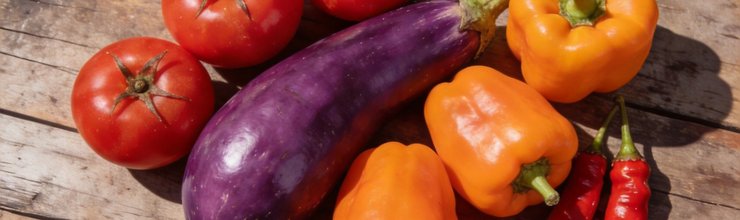
Nightshades belong to the Solanaceae plant family. Common nightshade vegetables include tomatoes, potatoes (except sweet potatoes), peppers (bell peppers, chili peppers, paprika), eggplant, goji berries, and tomatillos.
This family has some questionable characters: tobacco, belladonna, several ornamental plants. But the vegetables? Generally safe, and often nutritious.
The Nightshade-Gout Fear
Some sources claim nightshades trigger gout flares due to solanine content, alkaloid content, and purine content. Let’s examine each claim.
These claims circulate widely on internet forums, but what does research actually show?
Purine Content: The Numbers Are Clear
Nightshade vegetables are generally low in purines compared to meats and seafood. Tomatoes contain approximately 5-10 mg purines per 100g, potatoes about 15 mg per 100g, bell peppers around 10 mg per 100g, and eggplant approximately 15 mg per 100g.
By comparison, beef liver contains about 210 mg purines per 100g, and sardines contain roughly 345 mg per 100g. Nightshades fall firmly into the “low purine” category.
This is similar to other vegetables that get unfairly demonized: the purine content is negligible compared to animal products. A balanced gout diet includes these vegetables without fear.
Anti-Inflammatory Properties
Here’s something the fearmongers don’t mention: some nightshades actually have anti-inflammatory properties. Tomatoes contain lycopene, a powerful antioxidant. Bell peppers are rich in vitamin C, which may lower uric acid. Chili peppers contain capsaicin, which has documented anti-inflammatory effects.
Multiple studies link tomato consumption to reduced inflammation, not increased inflammation. A 2011 survey in Journal of Rheumatology found that 50% of arthritis patients believed nightshades worsened symptoms, but this was subjective perception, not objective measurement. The nocebo effect (expecting pain causes perceived pain) likely explains many reported associations.
“Patients often blame foods that are actually safe and nutritious, while overlooking the true triggers like alcohol and fructose,” notes Dr. Hyon Choi, a rheumatologist and gout researcher at Massachusetts General Hospital. “It’s understandable, but it leads people away from what actually helps.”
Why Some People React to Nightshades
If some individuals do react to nightshades, possible explanations include alkaloid sensitivity (a personal reaction, not a universal effect that isn’t well-understood scientifically), histamine and lectins (more associated with digestive symptoms than joint pain), and FODMAP sensitivity (tomatoes and some peppers can cause digestive symptoms in people with IBS that might be misattributed to gout).
Understanding Nightshade Chemistry (Simplified)
Some readers worry about solanine in nightshades, especially potatoes. Here’s the bottom line: solanine levels in commercially available potatoes are extremely low. Cooking reduces levels further. You’d need to eat kilograms of potatoes daily to approach amounts that might cause concern. Normal dietary consumption contributes only trace amounts.
For peppers, the capsaicin that makes them spicy actually has anti-inflammatory properties. Topical capsaicin is used clinically to reduce joint pain. The “heat” you feel is temporary; the potential benefit is real.
The chemistry doesn’t support the fear. These vegetables are safe in normal quantities.
The Gut Microbiome Connection
Emerging research suggests that gut microbiota may influence uric acid metabolism. Some gut bacteria produce uricase, which breaks down uric acid to allantoin, a more soluble compound.
Nightshade vegetables, as fiber-rich foods, support gut microbiome diversity, which may indirectly influence uric acid handling. A 2022 study found that patients with gout had significantly different gut microbiota compositions compared to healthy controls, with reduced populations of bacteria associated with anti-inflammatory and urate-metabolizing functions. A fiber-rich diet can help support these beneficial gut bacteria.
Should You Avoid Nightshades?
For most patients with gout, nightshade vegetables are safe to eat in normal quantities. They’re nutrient-dense foods that support overall health and belong in a balanced gout diet.
However, if you notice a personal pattern where nightshades consistently precede flares, keep a detailed food and symptom diary. Eliminate nightshades for 2-3 weeks, then reintroduce them systematically while tracking symptoms. Decide based on your own experience, not internet advice.
Cooking Methods Matter
How you prepare nightshades affects their compounds: cooking reduces alkaloids, avoid green or sprouted potatoes (higher solanine levels), don’t overcook (some nutrients degrade with excessive heat), and peeling helps since alkaloids concentrate near the skin in some nightshades.
The Bigger Picture
Focusing on avoiding specific vegetables misses the bigger gout picture. Research consistently shows these factors matter most: limiting meat and seafood purine intake, reducing fructose (especially from high-fructose corn syrup), minimizing alcohol consumption, maintaining healthy weight, and staying hydrated.
Nightshade vegetables are nutrient-dense foods that belong in a healthy gout diet unless you personally notice a clear trigger effect. Don’t let fear of tomatoes keep you from eating a healthy, varied diet.
Key Takeaways
- Nightshade vegetables, including tomatoes, potatoes, peppers, and eggplant, contain negligible amounts of purines and do not raise uric acid levels in the bloodstream
- Large observational studies have found no consistent link between nightshade consumption and gout flares
- The solanine and glycoalkaloid compounds in nightshades are present in amounts far too small to trigger joint inflammation in humans
- If you suspect a specific food triggers your flares, track it in a symptom journal and discuss patterns with your rheumatologist rather than eliminating entire food groups
- Nightshades offer real nutritional benefits, including vitamin C, potassium, and antioxidants, that support overall health and may help reduce gout-related inflammation
Frequently Asked Questions
Q: Can tomatoes trigger gout?
Tomatoes are low in purines and generally safe for patients with gout. While some anecdotal reports exist, no scientific evidence consistently demonstrates tomatoes raise uric acid or trigger flares. Any personal experience should guide your choices.
Q: Are potatoes bad for gout?
Potatoes are low-purine vegetables suitable for gout diets. However, preparation methods matter. Fried potatoes add calories and advanced glycation end products. Baked, boiled, or mashed potatoes without excessive fat are better choices.
Q: Should I eliminate all nightshades?
No, not unless you personally identify them as triggers. Elimination diets should be medically supervised and based on documented evidence, not internet fearmongering. Nightshades provide important nutrients including vitamin C, lycopene, and fiber.
Q: What vegetables should patients with gout actually avoid?
Few vegetables are truly “high-purine.” Asparagus, spinach, and mushrooms contain moderate purines but are still acceptable in normal quantities. Focus on what to include (vegetables, low-fat dairy, cherries) rather than excessive restriction. Research shows that the urate-lowering benefit of vegetable intake outweighs any theoretical purine contribution.
Q: Do peppers trigger gout flares?
Bell peppers and chili peppers are both low in purines and contain anti-inflammatory compounds. Capsaicin in chili peppers may actually have local anti-inflammatory effects. Unless you’ve personally tracked a connection, there’s no reason to avoid peppers.
Q: Is eggplant high in purines?
Eggplant contains approximately 15 mg purines per 100g, placing it firmly in the “low purine” category. A typical serving (150-200g) provides only 22-30 mg of purines, minimal compared to a serving of beef (210+ mg per 100g).
Q: Should I peel tomatoes for gout?
There’s no evidence that peeling tomatoes affects gout. If you enjoy tomatoes, eat them however you prefer. Cooking slightly reduces alkaloid content, but the effect on gout is negligible either way.
Q: What’s the connection between nightshades and arthritis?
The arthritis-nightshade connection comes almost entirely from anecdotal reports and one survey where 50% of arthritis patients believed nightshades worsened symptoms. Controlled studies haven’t demonstrated a consistent effect. The nocebo effect likely explains many reported associations.
Q: Can cooking tomatoes reduce their alkaloid content?
Cooking does reduce some alkaloid content, but the effect is modest. Boiling reduces glycoalkaloid content by only 3.5%, while deep-frying at high temperatures can reduce levels by 30-40%. However, even uncooked tomatoes in normal quantities aren’t a concern for patients with gout.
Q: Are goji berries safe for gout?
Goji berries are nightshades and technically contain some purines, but in modest amounts (approximately 50-100 mg per 100g dry weight). Fresh goji berries would be lower. Unless you consume large quantities daily, they’re unlikely to significantly impact uric acid.
References
- USDA FoodData Central. National Nutrient Database for Standard Reference. Purine content of foods.
- Choi HK, et al. Purine-rich foods, dairy and protein intake, and the risk of gout in men. N Engl J Med. 2004;350(11):1093-1103. PubMed
- Choi HK, et al. Role of diet in hyperuricemia and gout. Best Pract Res Clin Rheumatol. 2022;36(3):101771. PubMed
- European Food Safety Authority. Scientific opinion on glycoalkaloids in food. EFSA Journal. 2020;18(8):6208. DOI
- Shen D, et al. Gut microbiota in gout: alterations and correlations with disease. Front Cell Infect Microbiol. 2022;12:916124. DOI
- Chen-Xu M, Yokose C, Rai SK, Pillinger MH, Choi HK. Contemporary Prevalence of Gout and Hyperuricemia in the United States. Arthritis Rheumatol. 2019;71(5):764-770. PubMed
Reviewed by the GoutSavvy Editorial Team