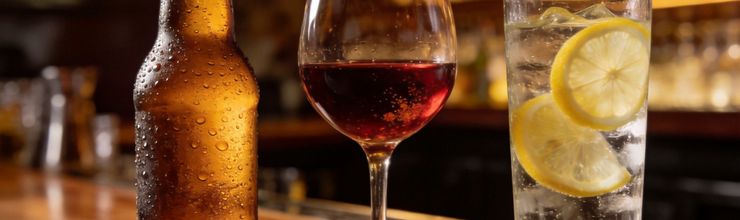
For millions of gout sufferers, the relationship between alcohol and their condition creates a challenging dilemma. Alcohol has been linked to gout for centuries – the condition was once called “the disease of kings” partly due to its association with rich food and wine consumption. Today, modern research confirms that alcohol significantly impacts uric acid metabolism, but not all alcoholic beverages affect gout equally.
How Alcohol Affects Uric Acid
The Science of Alcohol-Induced Hyperuricemia
According to ACR treatment guidelines, alcohol affects uric acid levels through multiple mechanisms:
- Increased Production: Alcohol metabolism increases purine breakdown, raising uric acid levels
- Decreased Excretion: Alcohol impairs kidney function, reducing uric acid elimination
- Dehydration: Alcohol’s diuretic effect concentrates uric acid in the blood
- Direct Metabolic Effects: Alcohol interferes with enzymes involved in uric acid metabolism
Why Beer Is the Worst Offender
Beer presents a double threat for gout patients:
- High Purine Content: Beer contains purines from malt and yeast, which directly increase uric acid production
- Alcohol Content: Ethanol impairs renal uric acid excretion
Research shows that daily beer consumption increases gout risk by approximately 49% compared to non-drinkers.
Spirits and Uric Acid
Spirit consumption (whiskey, vodka, rum, etc.) increases gout risk by approximately 15% for daily drinkers. While spirits don’t contain significant purines, the alcohol content itself impairs kidney function and increases uric acid production.
Comparing Alcoholic Beverages
Risk Comparison Table
| Beverage | Purine Content | Gout Risk Impact | Recommendation |
|---|---|---|---|
| Beer | High | Highest risk (RR ~2.5) | Avoid |
| Spirits | None | Moderate risk (RR ~1.5) | Limit severely |
| Wine | Minimal | Lower risk (RR ~1.1-1.3) | Most permissive option |
What Research Shows
A Lancet study found that while all alcoholic beverages can increase gout risk, wine appears to be the least problematic when consumed in moderation. The key finding: moderate wine intake is not associated with increased development of incident gout, though excess alcohol of any form in gout patients is associated with acute flares.
Guidelines for Alcohol Consumption with Gout
ACR Recommendations
Per 2020 ACR gout management guidelines:
- Patients with gout should avoid excess ingestion of alcoholic drinks, particularly beer
- Heavy drinkers are much more likely to have recurrent gout attacks, even with allopurinol therapy
- Complete abstinence from alcohol during gout attacks is strongly recommended
Practical Drinking Guidelines
| Situation | Beer | Spirits | Wine |
|---|---|---|---|
| During gout attack | Avoid | Avoid | Avoid |
| Overall recommendation | Avoid | Limit severely | Moderation acceptable |
| If you must drink | Never | <1 drink rarely | 1 glass, limit frequency |
| Maximum safe amount | 0 | 1-2 per month | 1 glass, 1-2x weekly |
Defining “One Drink”
- Beer: 12 fluid ounces (355 mL)
- Spirits: 1.5 fluid ounces (44 mL)
- Wine: 5 fluid ounces (148 mL)
Why Wine May Be Different
The Resveratrol Factor
Red wine contains resveratrol, a polyphenol with potential anti-inflammatory properties that may offer some protection against gout inflammation. However, this benefit does not outweigh the risks of alcohol consumption in patients with active gout.
Why Wine Is Still Not “Safe”
Despite being the most permissive option, wine still presents risks:
- Alcohol content still impairs kidney function
- Individual response varies significantly
- Even moderate consumption can trigger flares in some patients
- The “resveratrol protection” is theoretical, not proven
Tips If You Choose to Drink
Harm Reduction Strategies
- Never drink on an empty stomach: Food slows alcohol absorption
- Stay extremely well-hydrated: Alternate water and alcoholic drinks
- Choose your occasions wisely: Reserve alcohol for special events, not daily
- Monitor your uric acid: Regular testing helps identify triggers
- Take medications as prescribed: Maintain ULT even if drinking
Healthier Alternatives
- Sparkling water with citrus
- Non-alcoholic beer (some are nearly purine-free)
- Herbal teas
- Diluted tart cherry juice
Special Considerations
Gout Patients on Urate-Lowering Therapy
If you’re taking allopurinol or febuxostat:
- Alcohol can interfere with medication effectiveness
- Heavy drinking significantly reduces the protective benefits of ULT
- Discuss alcohol use openly with your rheumatologist
Patients with Other Conditions
If you have additional health conditions, alcohol risks may be compounded:
- Kidney disease: Alcohol further impairs renal function
- High blood pressure: Alcohol raises blood pressure
- Liver disease: Alcohol is hepatotoxic
- Diabetes: Alcohol affects blood sugar
Women and Gout
Women metabolize alcohol differently and may experience greater impact on uric acid levels. Postmenopausal women on diuretics face particularly high risk from alcohol consumption.
What About Non-Alcoholic Beer?
Is It Safe?
Non-alcoholic beer contains significantly less alcohol but may still contain some purines from malt. Options:
- Very low alcohol (0.0-0.5%): Generally acceptable in moderation
- Check labels: Some NA beers contain actual alcohol
- Individual response: Some patients still react to NA beer
Making the Decision
Questions to Ask Yourself
- How well-controlled is my gout?
- How frequently am I having attacks?
- Am I currently on urate-lowering therapy?
- Do I have other health conditions affected by alcohol?
- What is my uric acid level?
The Bottom Line
While complete abstinence is ideal for gout patients, the reality is that some individuals will choose to drink alcohol. If you decide to consume alcohol:
- Wine in strict moderation is the least harmful option
- Beer should be avoided entirely
- Spirits should be severely limited
- Never drink during or immediately before an attack
- Maintain adequate hydration
- Continue all prescribed gout medications
Conclusion
The relationship between alcohol and gout is complex, but the evidence is clear: alcohol consumption significantly impacts uric acid metabolism and gout risk. Beer presents the highest risk due to its purine content, while wine appears to be the least harmful option when consumed in strict moderation.
The safest approach is to minimize or eliminate alcohol consumption, particularly during active gout management. However, if you choose to drink, understanding which beverages pose the greatest risks and following harm-reduction strategies can help minimize damage to your joints and overall health.
References
- Gout and Pseudogout: Treatment & Management. Medscape. 2026.
- Cardiovascular Safety of Febuxostat vs Allopurinol (FAST Trial). Lancet. 2020.
- 2020 ACR Guideline for Management of Gout. Arthritis Care & Research. 2020.
- Gout: Lifestyle and Prevention. Wikipedia Medical Encyclopedia.
- Gout – Prevention. Mayo Clinic. 2024.
- Alcohol Consumption and Hyperuricemia Risk. EMJ Reviews. 2026.
Diet plays a complementary role. See our complete gout diet guide for food recommendations.
Alcohol is just one of many gout triggers to be aware of.