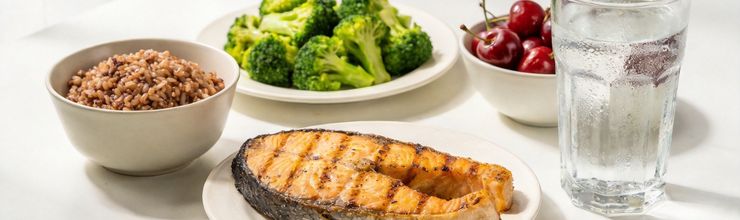
Understanding the Gout Diet Connection
Gout, a form of inflammatory arthritis caused by hyperuricemia (high uric acid levels) (elevated uric acid blood levels), affects approximately 9.2 million US adults. While medication remains the cornerstone of gout management, dietary modifications play an important role in controlling uric acid levels and preventing painful flares. This comprehensive guide explores dietary strategies that can help you manage gout effectively.
Medically Reviewed by Robert Stevens, MD
What Is Uric Acid and Why Does It Matter?
Uric acid is a natural waste product formed when your body breaks down purines, compounds found in certain foods and beverages. Under normal circumstances, uric acid dissolves in your blood, passes through your kidneys, and exits your body in urine. However, when your body produces too much uric acid or your kidneys struggle to avoid it efficiently, sharp urate crystals can form in your joints, triggering intense inflammation and pain that is characteristic of gout.
Foods to Avoid with Gout
Understanding which foods increase uric acid levels is essential for effective gout management. The following categories are particularly problematic:
High-Purine Foods
Purines break down into uric acid, making high-purine foods a primary concern for people with gout. According to the American College of Rheumatology (ACR), limiting these foods can help reduce flare frequency:
- Organ meats: Liver, kidney, sweetbreads (animal thymus and pancreas) contain extremely high purine levels
- Red meat: Beef, lamb, and pork
- Seafood with high purine content: Anchovies, sardines, mackerel, scallops, and mussels
- Game meats: Venison, goose, and wild turkey
The Fructose Danger Zone
Perhaps more important than purine restriction is limiting fructose intake. Research published in the Journal of the American Medical Association has demonstrated that fructose significantly increases uric acid production through a unique metabolic pathway. High-fructose foods to avoid include:
- Sugary soft drinks and fruit-flavored beverages
- Breakfast cereals with high-fructose corn syrup
- Processed snacks and candies
- Sweetened yogurts and desserts
- Honey and agave nectar (in excess)
Studies show that consuming just two sugary drinks per day increases gout risk by 85% in women compared to those who consume less than one per month.
Alcohol and Gout
Alcohol metabolism significantly impacts uric acid levels. Beer is particularly problematic due to its guanosine content (a purine precursor) and its effect on reducing uric acid excretion. Wine appears less harmful in moderate amounts, but alcohol should be consumed cautiously:
- Beer: Highest risk—contains both alcohol and purines
- Spirits: Moderate risk, especially with sugary mixers
- Wine: Lower risk in moderation (1-2 glasses per day for men, 1 for women)
Foods That Fight Gout
Fortunately, several foods and beverages have been shown to protect against a number of gout flares.
Cherries: Nature’s Gout Remedy
Cherry consumption has long been associated with reduced gout attacks. A landmark study published in Arthritis & Rheumatology found that consuming cherries reduced the risk of gout flares by 35%. The proposed mechanisms include:
- Cherries possess a compound called anthocyanins, which have anti-inflammatory properties
- Inhibition of xanthine oxidase (the enzyme that assists in producing uric acid from purines)
- Improved uric acid excretion
Recommendations: 1-2 cups of fresh or frozen cherries daily, or equivalent unsweetened tart cherry juice.
Dairy Products: Protective Protein
Low-fat dairy products demonstrate consistent uric acid-lowering effects. The proteins in milk (casein and lactalbumin) appear to enhance uric acid excretion. Studies show:
- Low-fat milk reduces serum uric acid by approximately 0.25 mg/dL
- Skim milk and yogurt are particularly beneficial
- Gouda cheese and cottage cheese also qualify as good options
Coffee Consumption and Gout Risk
Contrary to popular belief, coffee consumption is associated with reduced gout risk. Large epidemiological studies show that regular coffee drinkers have significantly lower incidence of gout. The mechanism involves:
- Chlorogenic acid inhibiting xanthine oxidase
- Diuretic effects promoting uric acid excretion
Both regular and decaffeinated coffee show benefits, though caffeinated coffee may offer additional advantages.
The Dietary Approaches to Stop Hypertension (DASH) Diet for Gout
The Dietary Approaches to Stop Hypertension (DASH) diet shows remarkable promise for people with gout. Originally designed to combat hypertension, research published in the British Medical Journal demonstrates that the DASH diet reduced serum uric acid levels significantly compared to control diets. Key DASH principles include:
- High intake of fruits, vegetables, and whole grains
- Low-fat dairy products daily
- Limited sodium, red meat, and added sugars
- Moderate nuts and legumes consumption
The DASH diet provides dual benefits: it manages blood pressure while also reducing uric acid levels. This is particularly valuable for the approximately 50% of people with gout who also have hypertension.
Hydration and Gout
Proper hydration is fundamental to uric acid management. Water helps dilute uric acid concentration and supports kidney function in excreting waste products. Research indicates:
- Drinking 8-10 glasses of water daily reduces gout flare frequency
- Adequate hydration prevents kidney stone formation (a common gout complication)
- Avoiding dehydration during acute attacks is especially critical
Sample Gout-Friendly Meal Plan
| Meal | Example Foods |
|---|---|
| Breakfast | Oatmeal with low-fat milk and blueberries, black coffee |
| Lunch | Grilled chicken salad with olive oil dressing, whole grain bread |
| Snack | Low-fat yogurt with almonds, fresh cherries |
| Dinner | Baked salmon, quinoa, steamed vegetables, herbal tea |
Weight Management and Gout
Obesity is a major risk factor for gout, and weight loss significantly improves outcomes. However, rapid weight loss can trigger flares by increasing uric acid production from tissue breakdown. Sustainable strategies include:
- Gradual weight loss of 1-2 pounds per week
- Combining calorie restriction with regular physical activity
- Avoiding very low-carbohydrate (ketogenic) diets, which elevate uric acid
- Focusing on portion control rather than extreme restriction
Key Takeaways
- Limit purine-rich foods, particularly organ meats and certain seafood
- Avoid high-fructose beverages and added sugars
- Restrict alcohol, especially beer
- Include cherries, low-fat dairy, and coffee in your diet
- Follow the DASH diet for dual cardiovascular and uric acid benefits
- Stay well-hydrated with 8-10 glasses of water daily
- Pursue gradual, sustainable weight loss if needed
- Remember: diet can help with gout, but it does not replace needed medications
When Diet Isn’t Enough
While dietary modifications are essential, most people with gout require urate-lowering therapy (ULT) to achieve target uric acid levels below 6 mg/dL (or 5 mg/dL for severe disease). Medications like allopurinol, febuxostat, or pegloticase can be used alongside dietary changes for optimal control. Be sure to consult your healthcare provider before making significant dietary changes or adjusting medications.
Making the Diet Work in Real Life
Strict diets fail because they are hard to maintain. A more practical approach is to focus on what you add to your plate rather than what you take away. Fill half your plate with vegetables, include a serving of low-fat dairy, choose whole grains over refined grains, and keep meat portions modest. Over time, these small shifts add up to significant reductions in uric acid.
Meal planning helps tremendously. When healthy options are readily available, you are far less likely to reach for trigger foods out of convenience. Batch-cooking gout-friendly meals on weekends and keeping cherry juice, water, and low-fat yogurt stocked are simple strategies that make the diet sustainable in the long term.
Consistency matters more than perfection when following a gout-friendly diet. Rather than overhauling your entire meal plan overnight, focus on one swap at a time: replace soda with water this week, add a serving of cherries next week, and gradually phase out high-purine dinners. These incremental changes are far more sustainable than drastic restrictions and still deliver meaningful reductions in uric acid levels, as research on stepwise dietary interventions has shown.
Frequently Asked Questions
Will I ever be able to eat red meat again if I have gout?
Yes, in moderation. You do not need to completely eliminate red meat. The key is portion control and frequency. A 3-4 ounce serving of lean red meat once or twice a week is unlikely to trigger a flare on its own, especially if your uric acid is well-controlled with medication. Pair it with vegetables and plenty of water.
Are tomatoes bad for gout?
The evidence is mixed. Some observational studies suggest tomatoes may slightly raise uric acid levels, and some patients report them as a personal trigger. However, large clinical studies have not confirmed a significant effect. If you notice tomatoes consistently trigger your flares, limit their intake. Otherwise, they are generally safe to eat as part of a balanced diet.
What about alcohol — is any kind that’s safe to consume if you have gout?
Beer is the worst offender due to its high purine content (particularly guanosine). Spirits in moderation have a smaller effect on uric acid. Wine appears to have the lowest risk among alcoholic beverages, though regular consumption still raises gout risk. During an active flare, the safest choice is to avoid alcohol.
Do I need to follow a strict low-purine diet?
Not necessarily. Modern gout management emphasizes an overall healthy eating pattern — such as the DASH diet or Mediterranean diet — rather than obsessively counting purines. Vegetables high in purines (such as spinach and mushrooms) do not appear to trigger gout the way meats that are high in purines do. Focus on reducing meat, seafood, alcohol, and sugary drinks instead of restricting all purine-containing foods.
Related: Complete Gout Diet Guide | Best Foods for Gout | 7-Day Meal Plan
Complement diet with natural uric acid-lowering strategies.
Know your personal triggers to avoid flare-ups.
Reviewed by the GoutSavvy Editorial Team